MLB’s new ABS strike-zone challenge system explained with 158 Royals games to go
AI-generated summary reviewed by our newsroom.
- Royals catcher Salvador Perez overturned three called balls using ABS challenges.
- Players tap hat/helmet within ~2 seconds; only batter, pitcher or catcher may challenge.
- ABS uses Hawk‑Eye cameras and player heights to set a 2D strike zone 17 inches wide.
The Royals got their first regular-season look at Major League Baseball’s Automated Ball-Strike (ABS) challenge system during opening weekend.
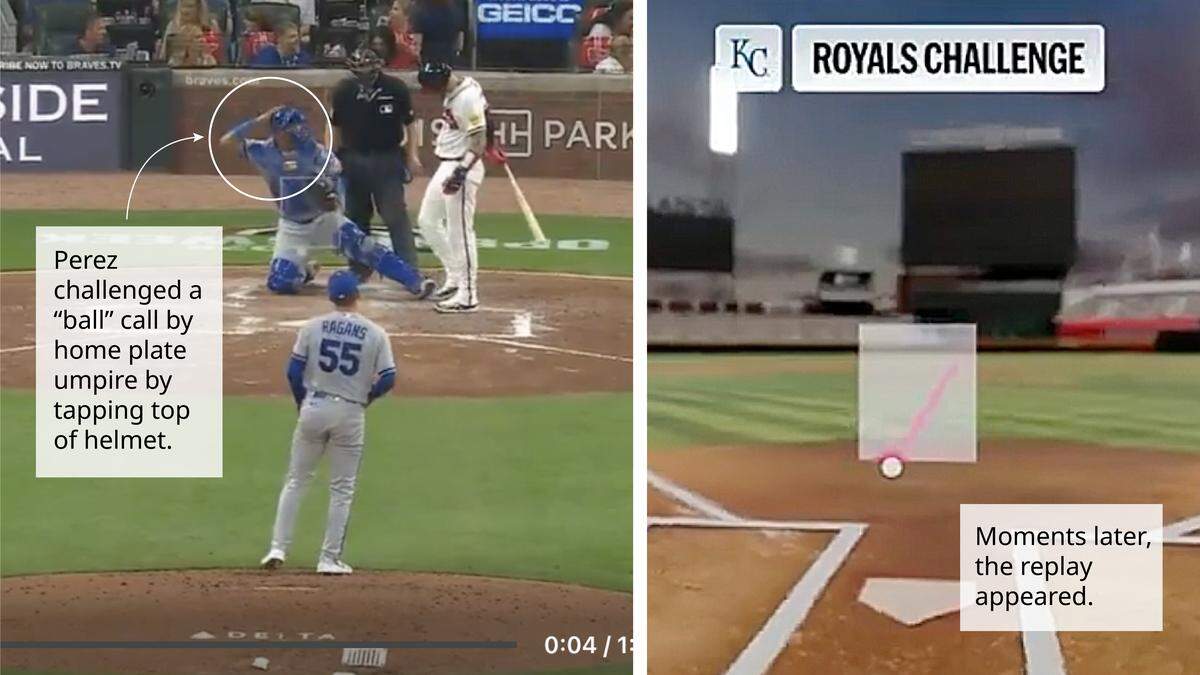
In their first game, against the Atlanta Braves, catcher Salvador Perez successfully challenged three calls, turning three of the home plate umpire’s called balls into strikes.
Perez correctly identified pitches that ump Doug Eddings had misjudged. In each case, the pitch was narrowly within the strike zone. And all three overturned calls shifted the count in the Royals’ favor.
The Royals see the use of ABS as a work in progress. For hitters, there are advantages and disadvantages, and the time of challenges is important — both in the count and when, in the course of a game, a dispute might be raised.
Here’s a closer look at the ABS Challenge System.
How to appeal strike zone decisions in ABS
To request a review, a player taps his hat or helmet. The signal must come within roughly two seconds of the call, preventing any outside assistance.
Only batters, pitchers and catchers can initiate a challenge — not managers, coaches or other players.
Each team begins with two challenges, losing the ability to challenge after two unsuccessful attempts. In extra innings, teams are granted one additional challenge, regardless of prior use. A team that successfully challenges (gets a call overturned) retains the right to use that challenge later.
Challenges are not allowed when a position player is pitching and are not permitted after replay reviews.
Inside the camera system powering ABS
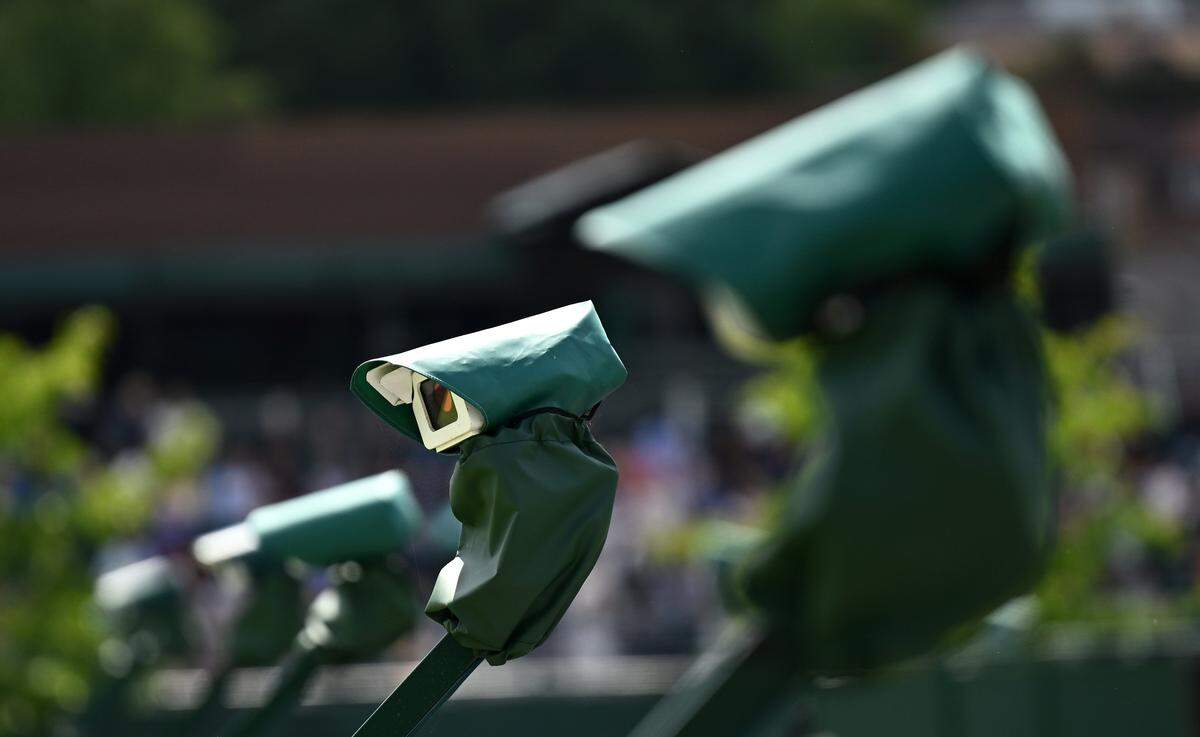
Twelve Hawk-Eye technology cameras installed throughout the ballpark track player and ball movement, feeding data into Statcast.
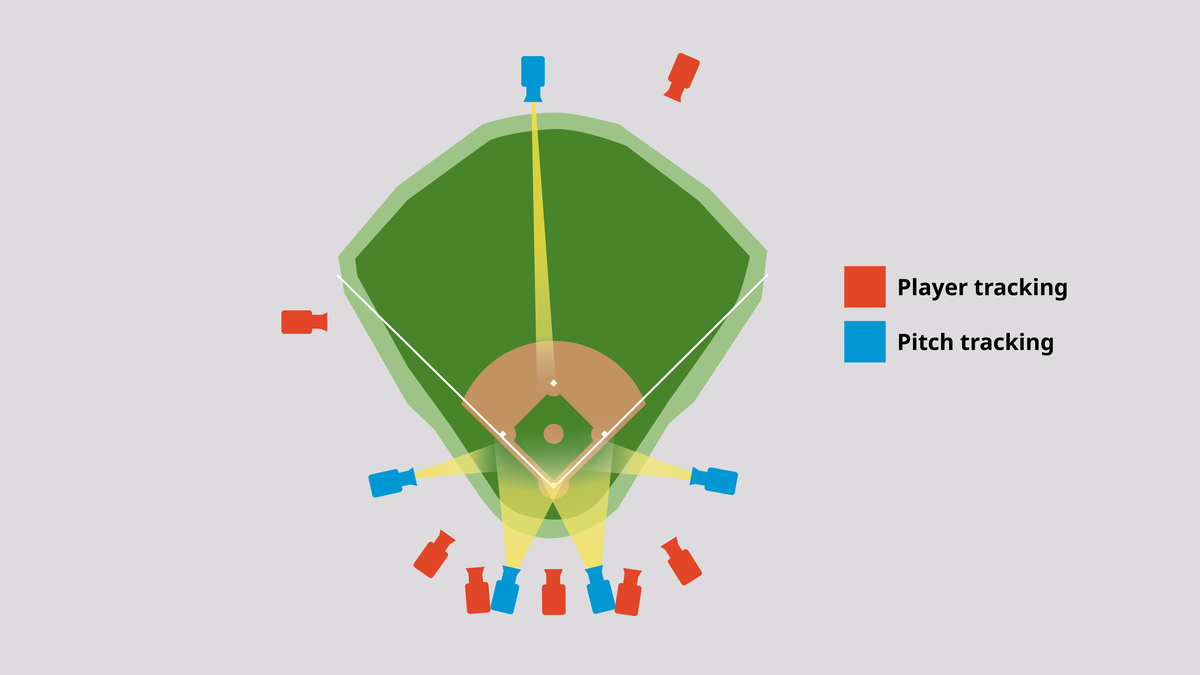
Seven cameras track player movement, while five are dedicated solely to the baseball’s movements. Those ball-tracking cameras capture up to 300 frames per second, allowing the system to precisely locate each pitch within the strike zone and reconstruct its path.
How ABS adjusts the box for every hitter
During spring training, measurements were taken for each player. This enabled the ABS system to create a strike zone for each hitter.
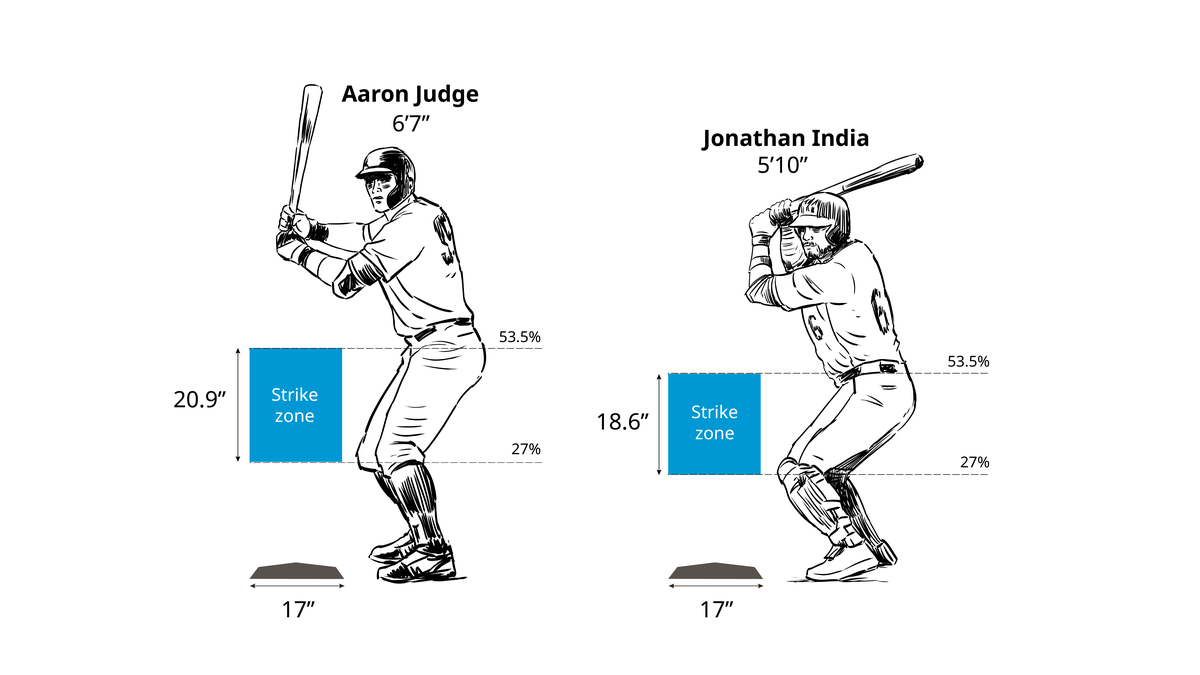
Let’s compare Kansas City’s Jonathan India (5-foot-10) and the Yankees’ Aaron Judge (6-foot-7). Under the ABS model, India’s strike zone measures about 18.6 inches tall and 17 inches wide — the width of home plate — while Judge’s taller frame expands his zone to roughly 20.9 inches.
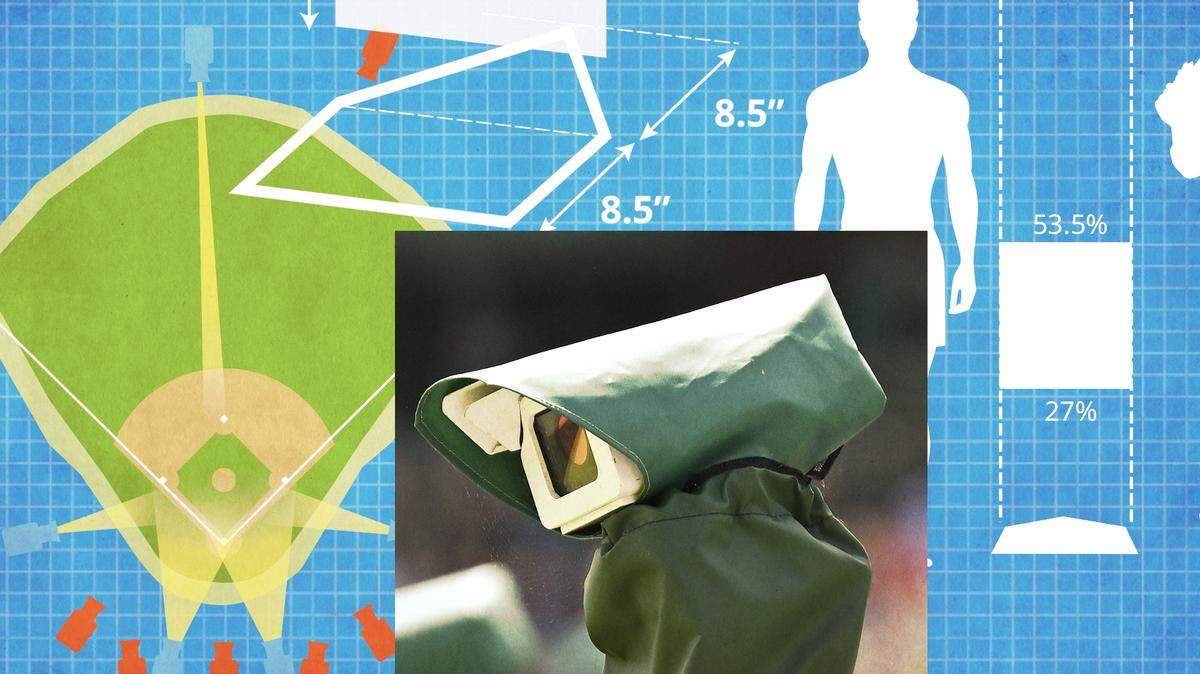
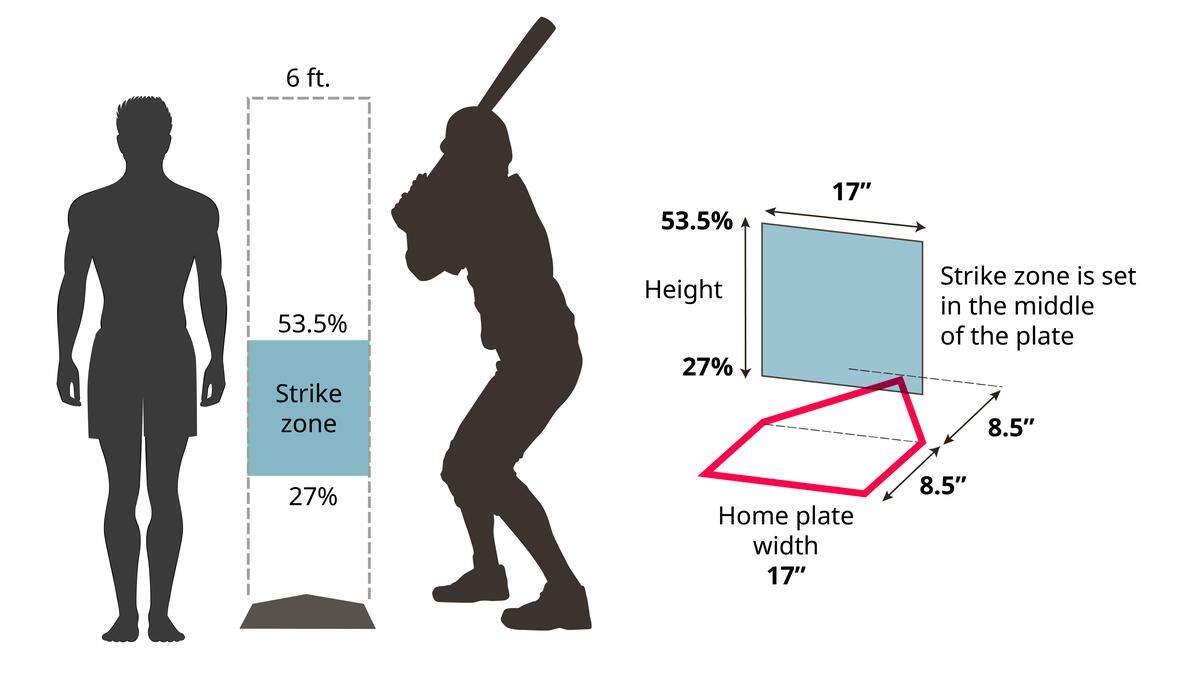
The ABS strike zone is a flat 2D rectangular shape, 17 inches wide — the width of home plate. Its upper boundary is set at 53.5% of a player’s height, while the lower boundary is 27%. The zone extends 8.5 inches forward and backward from the center of the plate.
The zone was moved from the front of home plate to the middle, where the results were much more in line with where the hitter stands — and how the strike zone is traditionally called.