Inside my trip to Ebbets Field & why Jackie Robinson remains an important figure
Major League Baseball celebrates one of my biggest heroes on Tuesday. Well, I share this hero with multitudes of others across baseball and beyond.
April 15 is much more than your annual tax deadline. It commemorates the special day when a young Black kid achieved his dream against all odds.
It was a dream many perceived as impossible. There were rules for Black people in America. From different water fountains to separate buses, the simple courtesies of civil rights and humankind did not apply … to someone who looked like me.
But an athletic kid from Cairo, Georgia took a leap of faith. His name was Jackie Robinson.
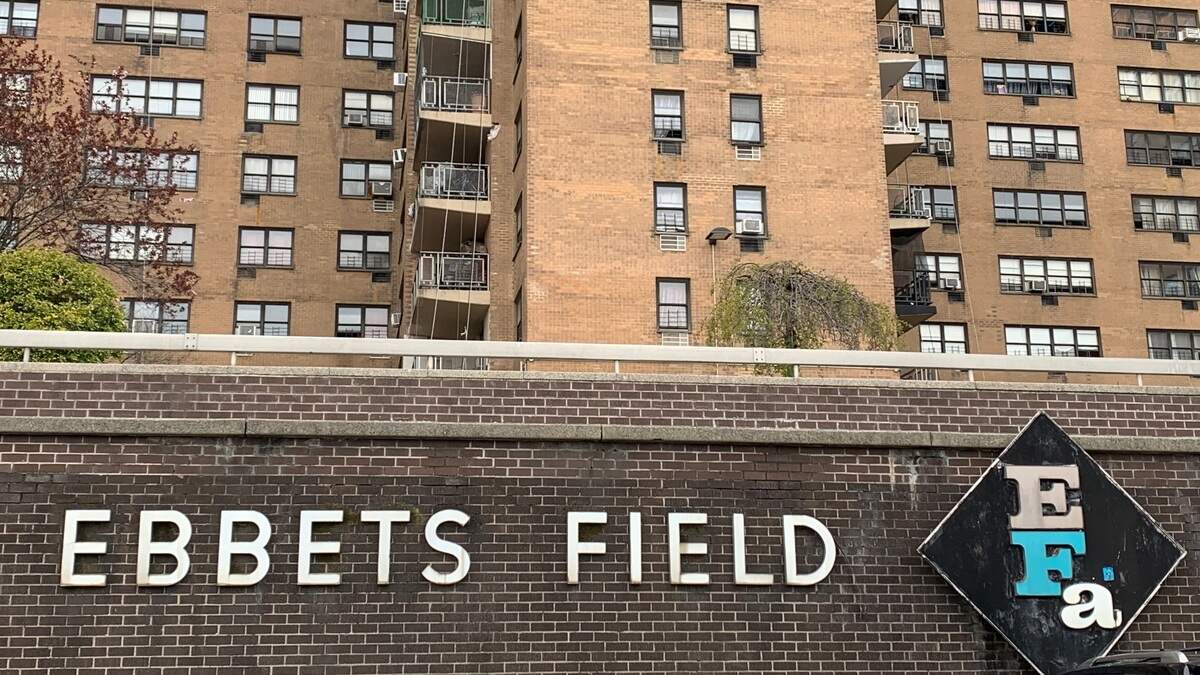
Robinson broke baseball’s color barrier on April 15, 1947. He stepped into the batter’s box at Ebbets Field in the Flatbush community. He started at first base after spending time in the military and starring for the Kansas City Monarchs in the Negro Leagues.
On Monday, I visited the site of old Ebbets Field. The Kansas City Royals are in town to play the New York Yankees at Yankee Stadium.
Seventy-eight years later, I could feel the magnitude of Robinson’s courageous efforts.
A timeless impact
In my household, Jackie Robinson is like Black royalty. I’ve heard wonderful stories about this larger-than-life figure since I was 3 years old.
I heard tales of his athletic prowess. The hyperbole of Robinson hitting baseballs a country mile and stealing bases at the speed of light. Family orators made sure the younger generation knew about Black excellence.
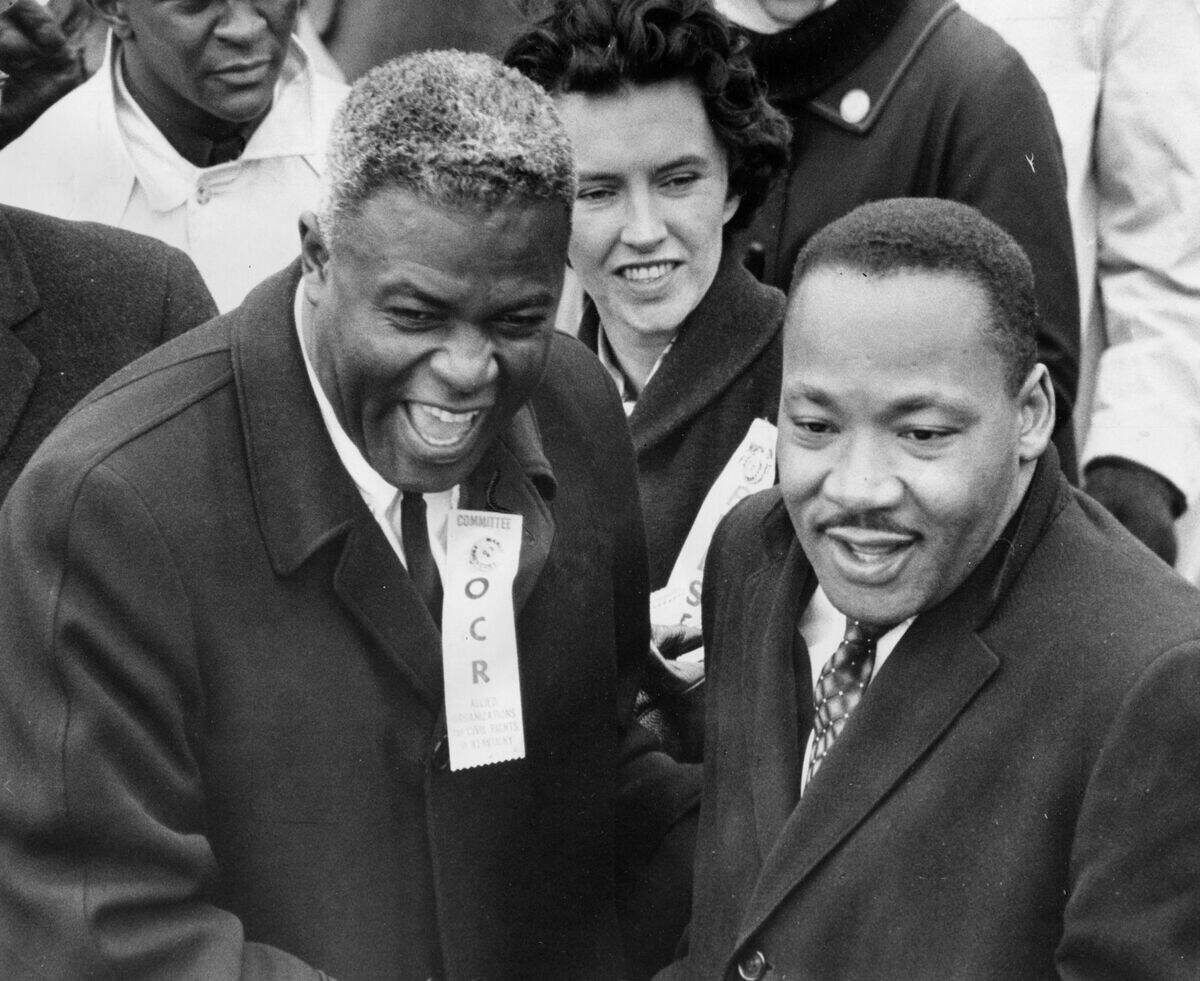
Jackie Robinson was next to Dr. Martin Luther King Jr. in my household. He sat next to Malcolm X, Harriet Tubman and Madam C.J. Walker, depending on who you talked to.
It was important that we knew our history. My family made it a point for us to know that Black excellence was attainable.
So, as I walked toward the Ebbets Field site, which is now an apartment complex, I could almost hear the sound of bats cracking and balls popping into mitts.
I took a moment to visualize where Robinson stood. I looked upward and pictured the spot from which Black journalists like myself had once reported. Not in a press box, but in the stands, far from the action.
And I stood there and thought about how far we have come.
Jackie Robinson opened the door for MLB superstars past and present. He made it possible for Henry Aaron to break Babe Ruth’s home run record. Years later, Robinson helped pave the way for Dusty Baker to become a manager and for Mookie Betts and Aaron Judge to become superstars.
He also indirectly showed there is value in Black reporters. He opened doors for companies to trust people of different races to cover a sport we all love.
I’m reminded of Robinson’s impact every time I walk into Kauffman Stadium, or any major-league stadium, for that matter. His No. 42 is displayed in plain view and serves as a beacon of hope on days I need it.
It’s not easy to be a Black reporter. There aren’t many people who look like you in the press box or in the clubhouse. There are times where you can feel alone, or sometimes even misunderstood.
But Robinson braved the brunt of society at its worst. He showed the ultimate humility in the face of adversity.
Things are better today. I have overwhelming support from all of my colleagues in and around the clubhouse and press box. I love coming to work and enjoying the commonalities found in baseball, and sports in general.
There is work to be done, however. Robinson once said, “A life is not important except in the impact it has on other lives.”
I take that quote with me everywhere I go. It’s why I strive to help others, especially those who want to get into journalism.
More work to be done
Representation is half the battle. There is a duty to reach back and lend a helping hand, just as someone did for me.
Major League Baseball is doing a great job with the inclusion of Negro Leagues stats in the game’s official record books.
Bob Kendrick and the Negro Leagues Baseball Museum have been outstanding in this regard. The museum is a top destination when visiting Kansas City. Now, kids can learn about Robinson and others in new formats, such as the MLB The Show video games.
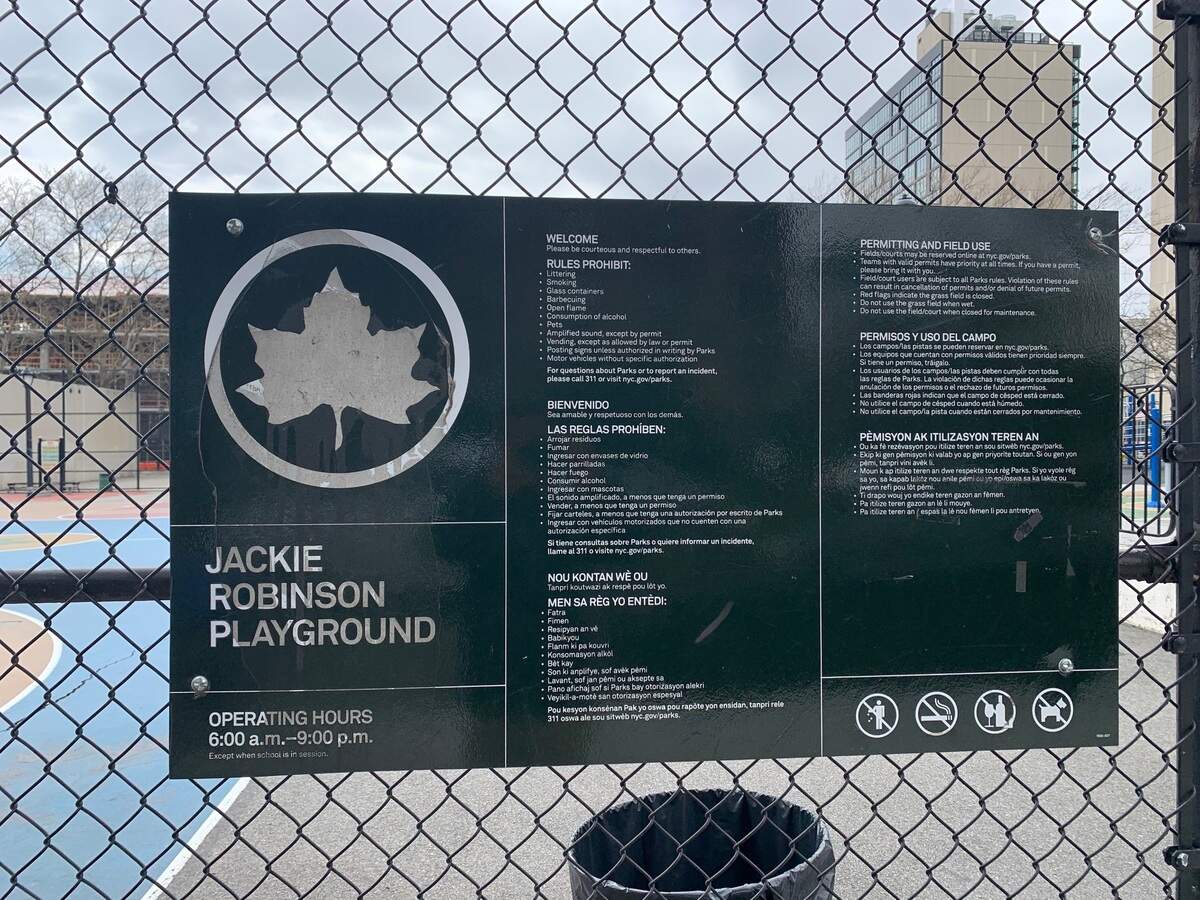
But there aren’t a lot of Black professional baseball players today. According to MLB.com, just 6.2% of players on active rosters are Black. A total of 59 Black players appeared on opening day rosters in 2025.
There are even fewer Black beat reporters covering pro ball.
MLB has created initiatives to encourage more kids to take up baseball in inner cities. I was a part of Little League teams that taught me about the game. That’s where I developed my love for baseball.
Being able to visit and write about Ebbets Field is special to me. It’s a reminder of the work we are doing and the doors that were opened for us to be here.
Jack Roosevelt Robinson had a dream and he achieved it.
As a young kid from Georgia myself, I hope to continue his legacy and help inspire the next generation.
This story was originally published April 15, 2025 at 5:30 AM.