
A century later, Royals continue baseball’s rags-to-riches saga
They had been baseball cellar dwellers who showed signs of life before the breakout season. But even in that year, things looked so gloomy that a players-only meeting was arranged. It worked, and the woebegone squad soared to new heights.
This sounds familiar to Royals fans, but the story isn’t original. Turn back the clock exactly 100 years and discover the game’s first true, and perhaps greatest, rags-to-riches tale.
The 1914 Boston Braves and the 2014 Kansas City Royals have plenty in common.
Neither hit many home runs, although in fairness to the Braves, who hit 35 that season, it was the dead-ball era. Nobody hit many over the fence.
The teams had become too familiar with last place. The Braves finished at the bottom of the eight-team National League during 1909-12, losing more than 100 games every season. The Royals finished last in five of the previous 10 years before this season, with three 100-loss finishes.
They each had known glorious times. The Braves won five pennants in the 1890s, when they were known as the Beaneaters. The Royals were playoff-bound seven times during 1976-85, with a World Series title in ’85.
In 1914, the Braves had fallen 14 games below .500 in July when it held its players-only meeting. These Royals fell eight games behind the Tigers in July when the players convened to discuss their problems.
The difference: The Royals were in Chicago, crowding into the weight room next to the dugout at U.S. Cellular Field. The Braves were on a train bound for Chicago to meet the Cubs.
Over the years, when a baseball team abruptly reverses its fortunes and plots an upward trajectory, the Boston Braves are held as the standard.
The latest is the the Royals, who opened the American League Championship Series against the Orioles on Friday night.
There have been plenty of others: The 2005 Houston Astros, who were 15 games under .500 in late May and roared to the National League pennant; the 1969 New York Mets, who had finished last or next to last their first seven years before winning the World Series; the 1967 “Impossible Dream” Red Sox.
But no team in the game’s history started as low and soared as high in the briefest of periods as the Braves.
“We did something nobody ever believed possible,” shortstop Rabbit Maranville said decades later, according to a Boston Globe story in August.
They’re known in baseball lore as the “Miracle Braves.” The team finished 69-82 in 1913, its best record since 1902.
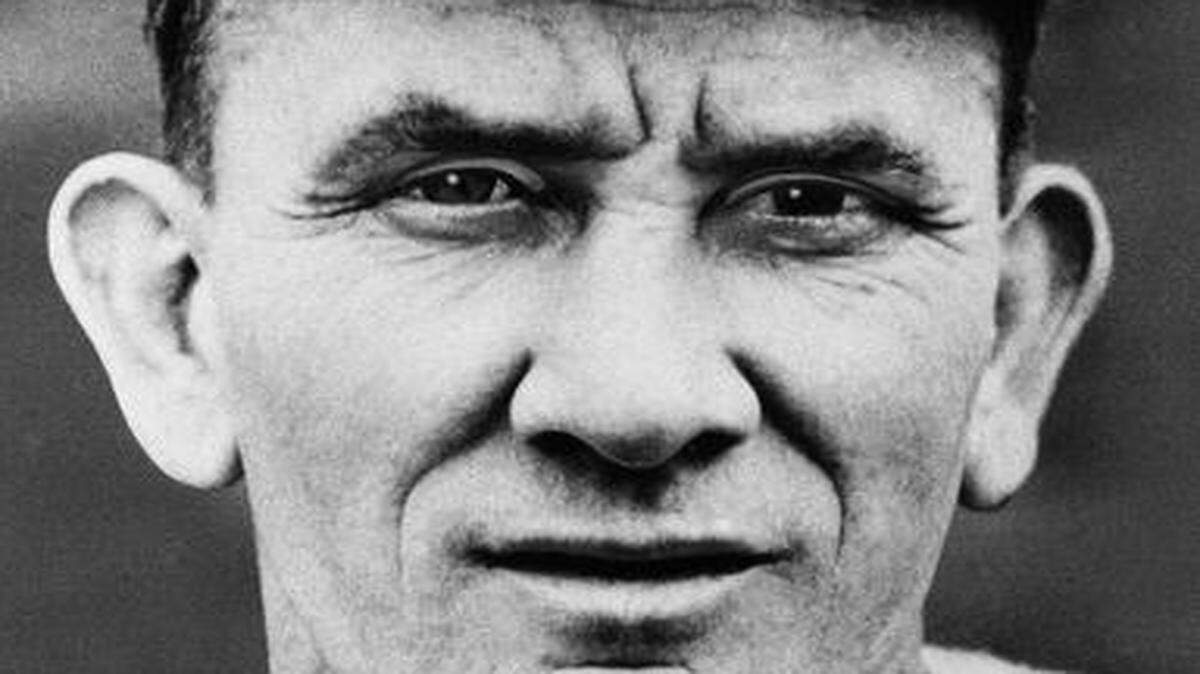
The 1914 team was young. Maranville was only in the second year of a Hall of Fame career. The team’s big offseason acquisition was second baseman Johnny Evers of “Tinker to Evers to Chance” fame from the Cubs, and it gave the Braves the game’s best defensive infield.
The Braves started 4-18, sank to 12-28 in June and, after dropping both games of a doubleheader to Brooklyn on July 4, stood 15 games behind the league-leading New York Giants.
Perhaps the greatest stretch drive in baseball history ensued.
You think the Royals’ post-players meeting 24-6 run was inspiring. How about doubling that and then some? The Braves finished the season on a 59-16 tear — a .787 winning percentage — for three months. Boston wound up winning the league by 10 1/2 games.
The Braves opposed the mighty Philadelphia Athletics in the World Series, and the story goes that the A’s were so confident that game-one starter Chief Bender chose to go fishing instead of reading scouting reports, saying “there’s no need scouting a bush team like that.”
The Braves won the opener 7-1 and went on to the sweep, winning the franchise’s only championship while it resided in Boston.
Two good seasons followed, but the Braves soon returned to their losing ways.
But the 1914 Boston Braves remain baseball’s greatest “anything can happen” model, even 100 years later.
To reach Blair Kerkhoff, call 816-234-4730 or send email to bkerkhoff@kcstar.com. Follow him on Twitter: @BlairKerkhoff.