After waiting 13 years, with the World Cup on center stage, Mexican sculpture rises in KC
In the maelstrom that is the World Cup in Kansas City, other monumental moments — even for monuments — can sometimes get lost.
Put the rise of “Las Tarascas” — a Mexican statue of three, bare-breasted princesses that was finally unveiled earlier this month on Kansas City’s West Side — at the top of that list.
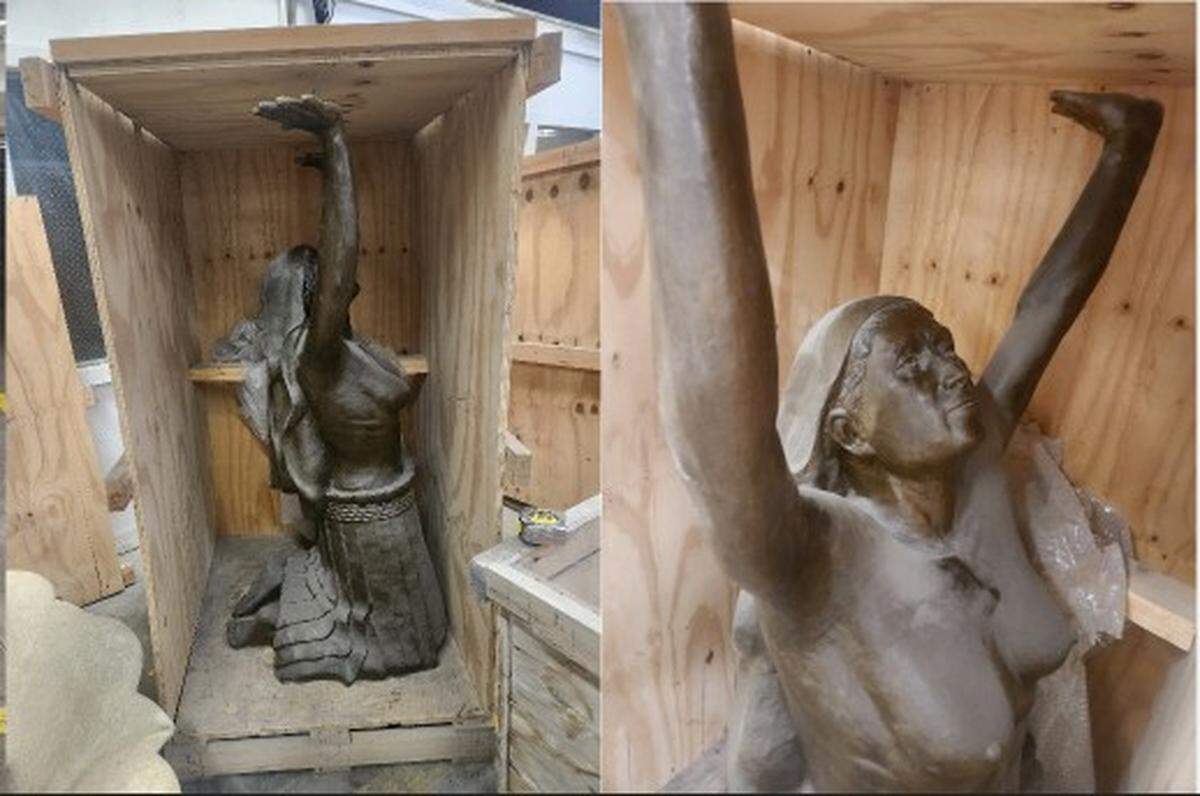
For 13 years the statue — a gift in 2013 from Kansas City’s sister city of Morelia, Mexico — had languished inside storage crates, having never been placed on public display despite repeated efforts by advocates to get it placed on the Country Club Plaza near the Sister Cities International Bridge over Brush Creek.
The pedestrian bridge, dedicated in 2000 by then-Kansas City Mayor Kay Barnes, is where two, 6-foot-tall statues of Chinese soldiers were placed in 2004.
The soldiers, gifts from the sister city of Xi’an, China, are replicas of some of the 7,000 life-sized terra-cotta warriors found at the tomb of China’s first emperor, Qin Shi Huang.
‘A day I once feared might never come’
Exactly why the Mexican princesses were not placed near the bridge was never fully explained to Kansas City’s Morelia sister city committee, although it has long been suspected that the figures’ nakedness may have been an issue.
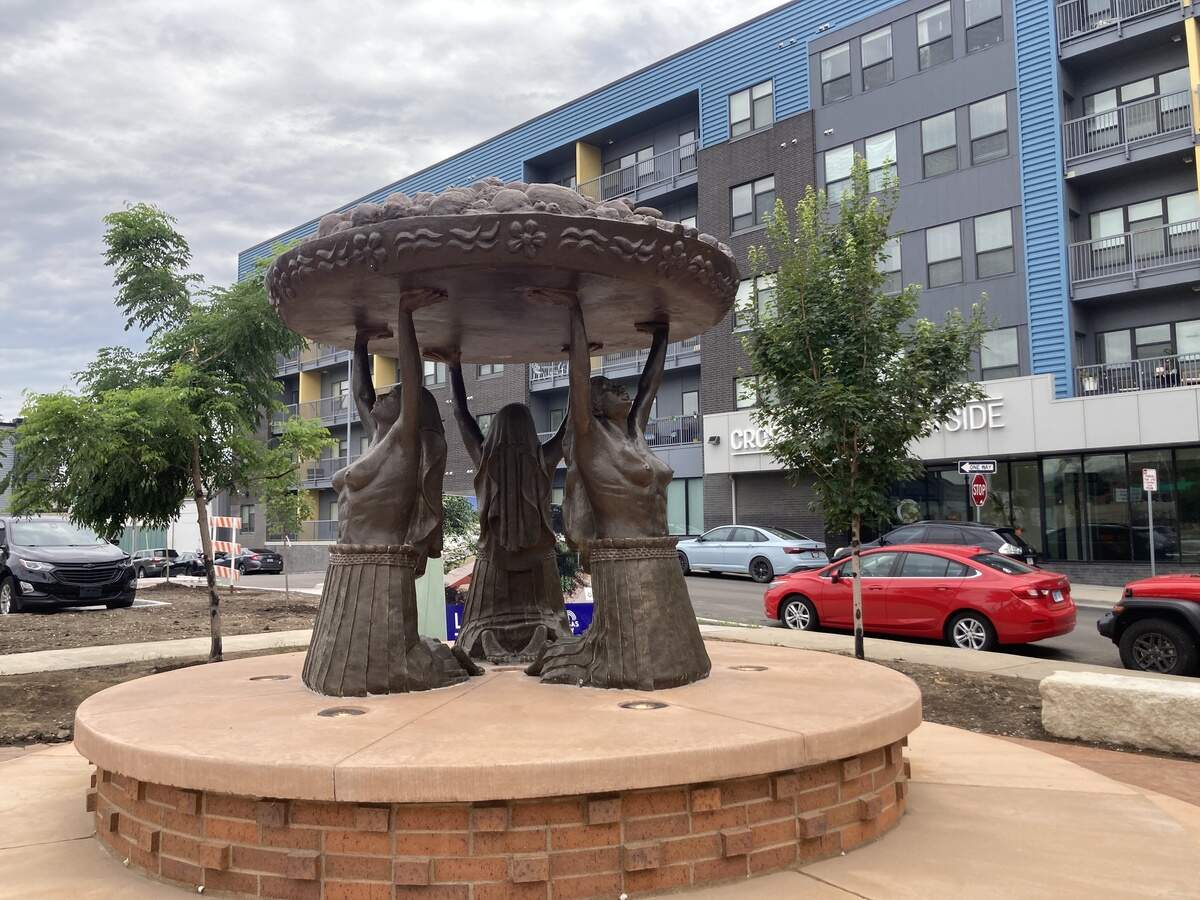
On Tuesday, June 16, the Las Tarascas statue was unveiled where the Crossroads meets the Westside. It was placed on triangular plaza at the intersection of Southwest Boulevard and West Pennsylvania Avenue on the day that Kansas City held its first 2026 FIFA World Cup match, a game between Argentina and Algeria, in which Argentina’s soccer legend Lionel Messi scored three goals.
A mariachi band played. Mayor Quinton Lucas attended along with other city and Westside leaders.
“Today is a day I once feared might never come — at least not in my lifetime,” Gloria Bassenbacher of Shawnee, wrote in a prepared statement.

She and husband Joe had been the chairs of the original Morelia sister city committee, and had long hoped that the piece would be used to create a fountain on the Plaza.
Bassenbacher recounted the statue’s fitful “long journey” to Kansas City, from the committee’s first trip to Morelia in 1999, to a commitment in 2000 from Morelia’s leaders to send a replica, along with discussions regarding its placement to its unheralded delivery in 2013.
“Las Tarascas arrived quietly on a Kansas City Southern train — no ceremony, no celebration,” Bassenbacher recalled.
“The crates were taken directly to the Parks and Recreation warehouse, where they remained for 13 years, until today. And so, we stand here now—finally giving Las Tarascas the light, the space, and the appreciation she deserves.”
The three princesses Atzimba, Eréndira and Tzetzangari
The sculpture is not large — measuring 7 feet wide and standing 6 feet, 6 inches tall without a plinth — but its history is.
In Kansas City, the sculpture is a replica of “Fuente de las Tarascas,” the fountain of the Tarascas, a name for indigenous people of the state of Michoacán that was created in 1984 by artist Joe Luis Padilla Retana.
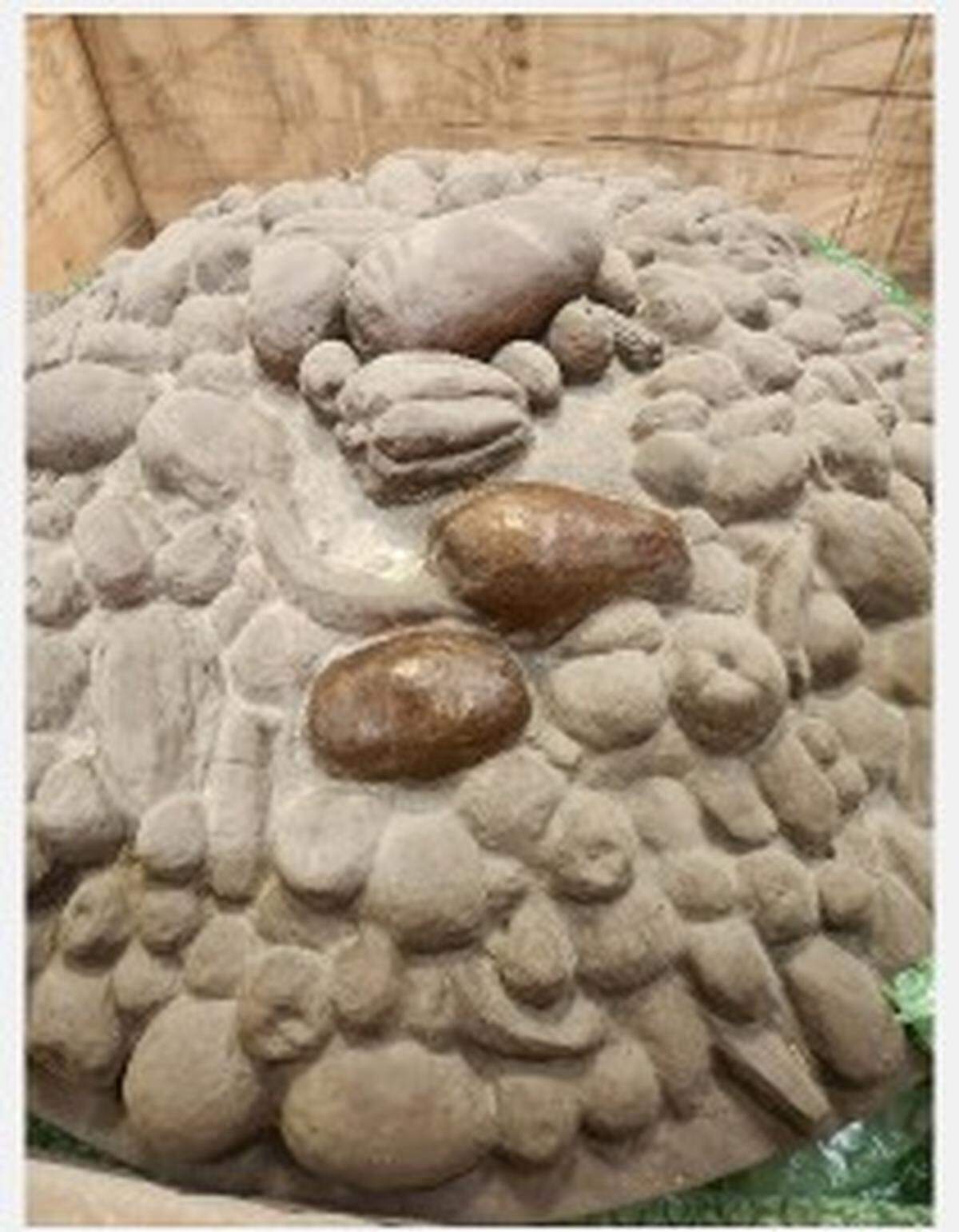
The work depicts three kneeling women, their arms stretched upward, holding a large basket of corn, gourds and native fruits.
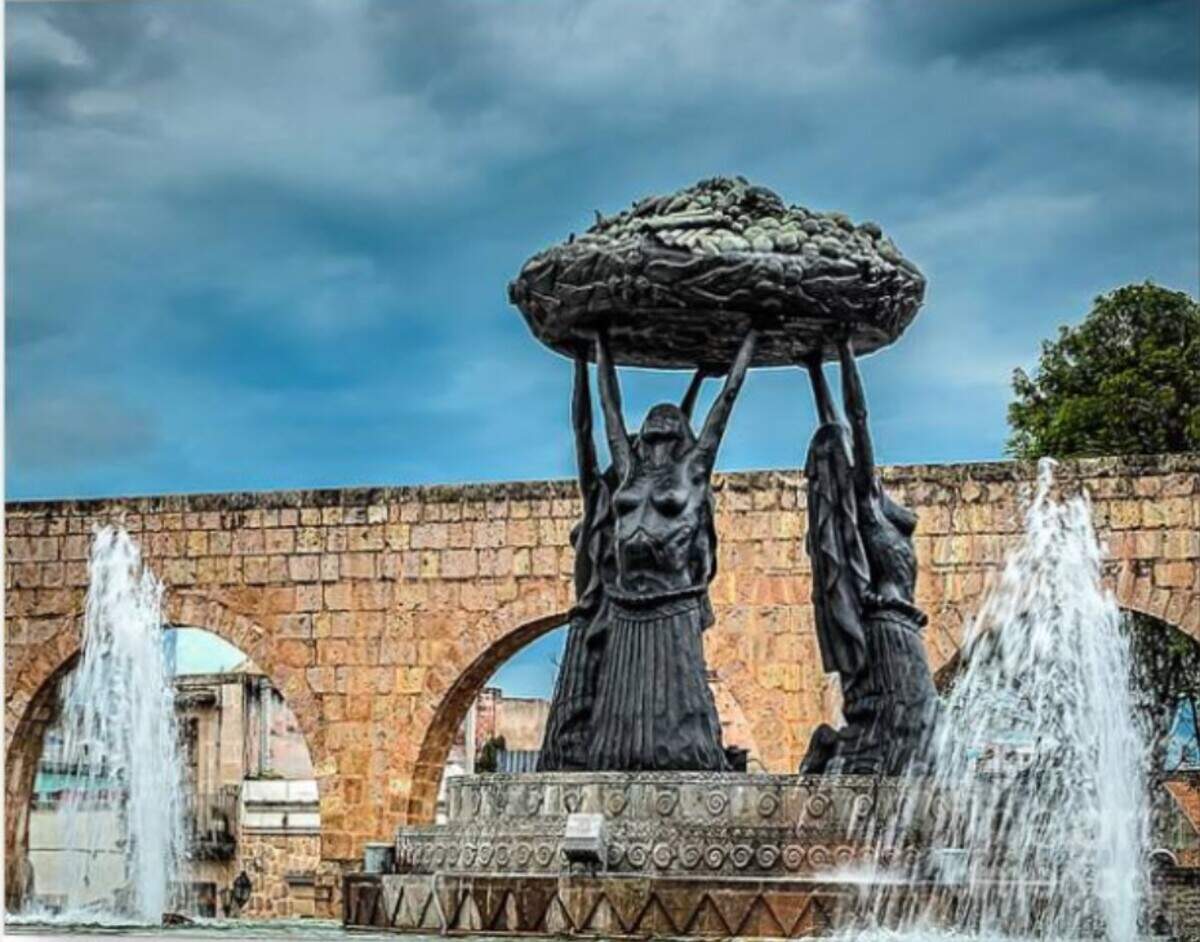
Retana’s piece, in turn, was based on the original “Fuente de las Tarascas” (also called “Fuente de las Indias”) that was created by artists Antonio Silva Diaz and Benigno Lara and which was displayed in the center of Morelia from 1931 to 1965.
The female figures were not imbued with any larger meaning by the original artists.
Government officials later changed the name of the sculpture to “Fuente de las Tarascas,” after the Tarascans, the Spanish name given by colonists to the indigenous people from Michoacán. The people call themselves Purépecha.
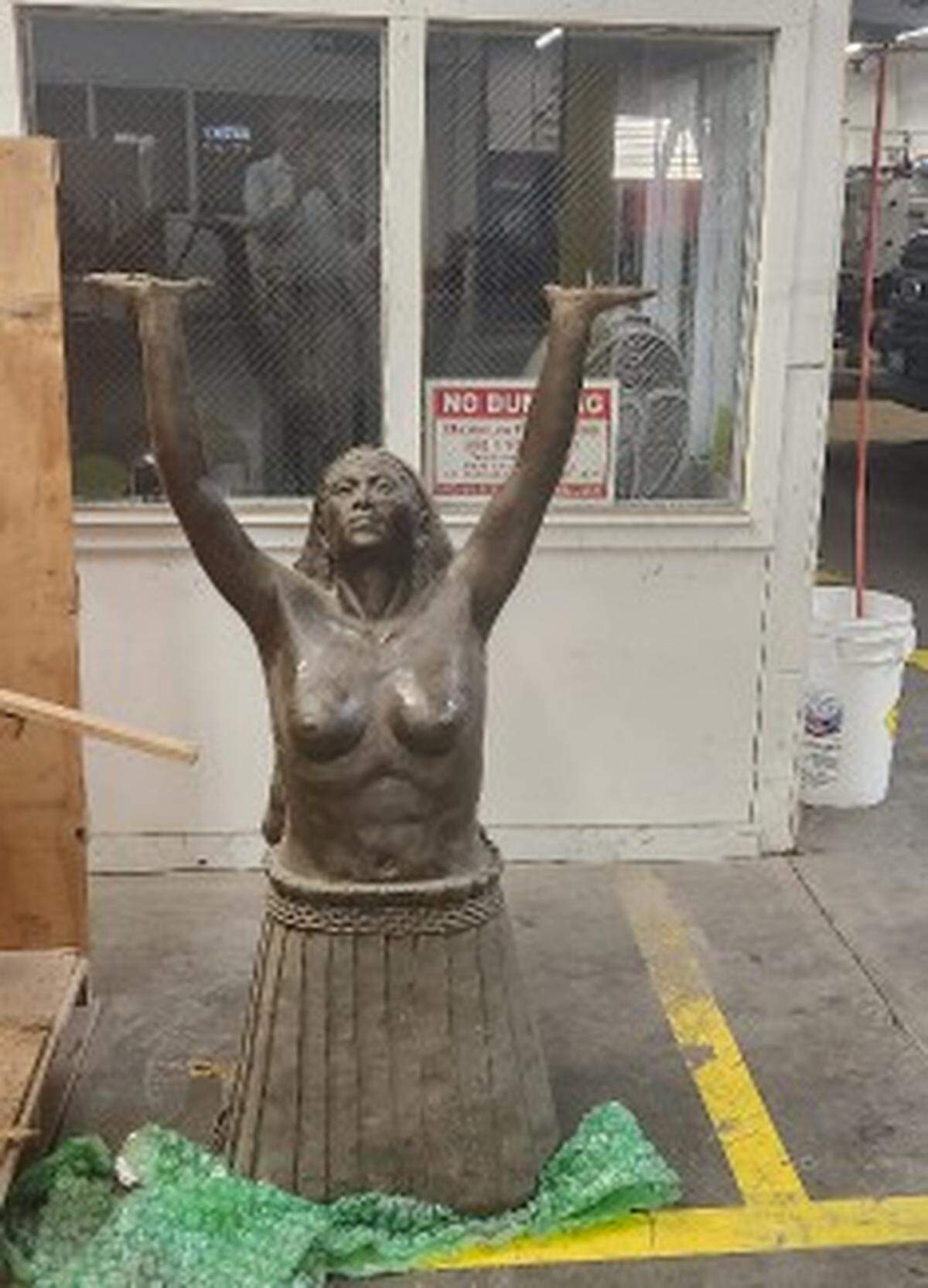
Some have come to believe that the three women in the fountain represent three Purépecha princesses of legend, Atzimba, Eréndira and Tzetzangari. One was banished for falling in love with a Spanish explorer, another stood up against the Spanish conquistadors, while the third’s tears filled Lake Zirahuén.
A replica of Mexico’s “Fuente Las Tarascas” is also on prominent display in Beunos Aires, Argentina.
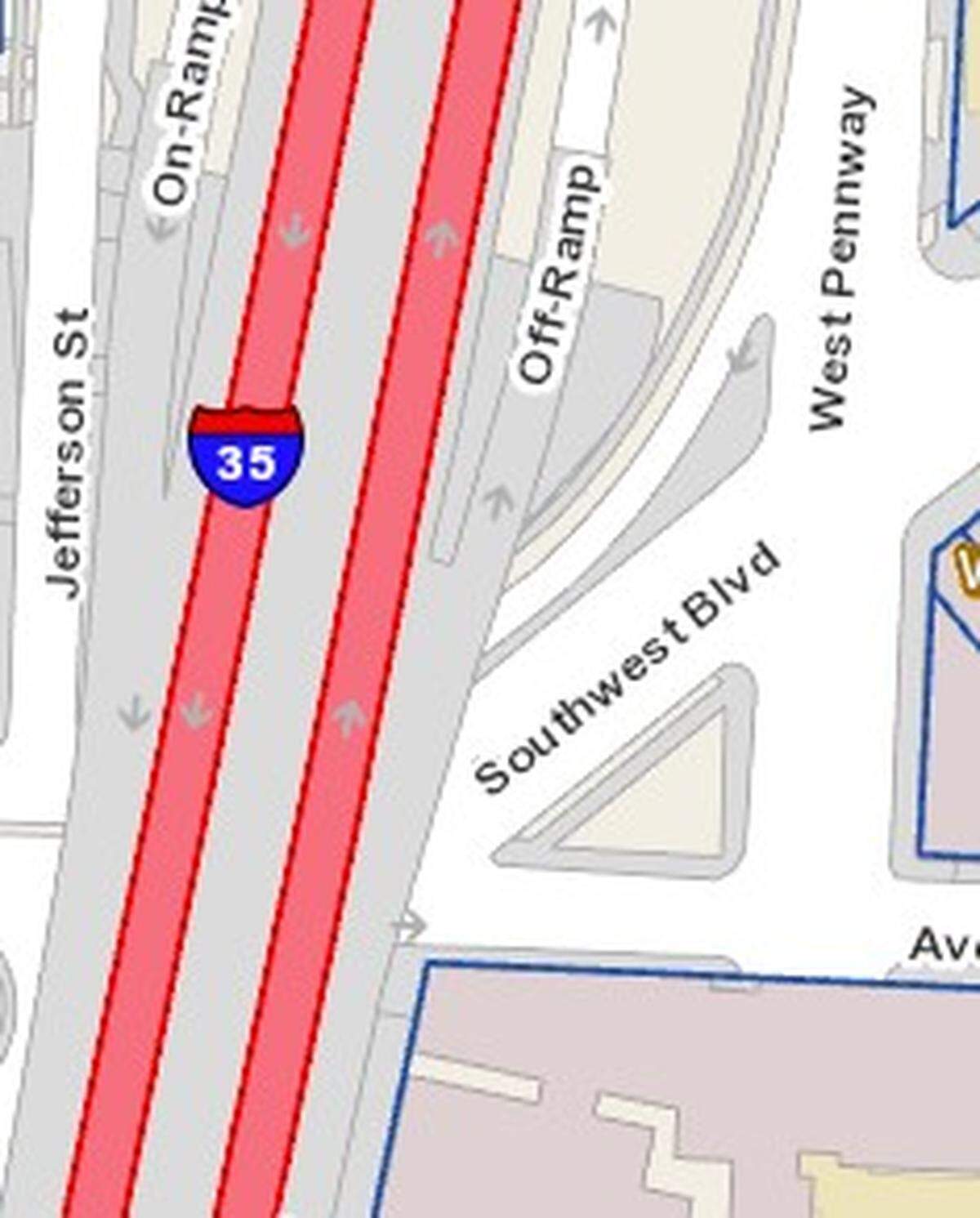
In unveiling the statue in what is being called Las Tarascas Statue Plaza, the city highlighted it as part of $43 million in recent West Side improvements.
Those included resurfaced roadways, sidewalk repairs, new medians, added Americans with Disabilities Act ramps, new traffic signals, a new 10-foot bike path on the south side of Southwest Boulevard, added green infrastructure along with security cameras, LED lights and bird control measures at the Interstate 35 underpass.