Exhibit shows WWI football helped inspire the 1930 World Cup.
Exhibit includes international loans, notably the Coupe de France trophy.
Exhibit is open Thursdays and runs through Sept. 14, during World Cup season.
When World Cup fans visit the FIFA Fan Fest on the lawn of the National World War I Museum in June, they’ll have a chance to see the roots of how the international tournament came to be.
The museum’s newest exhibit, “The Beautiful Game,” showcases how soccer — or football, as the sport is known elsewhere else across the globe — connected the world during the Great War.
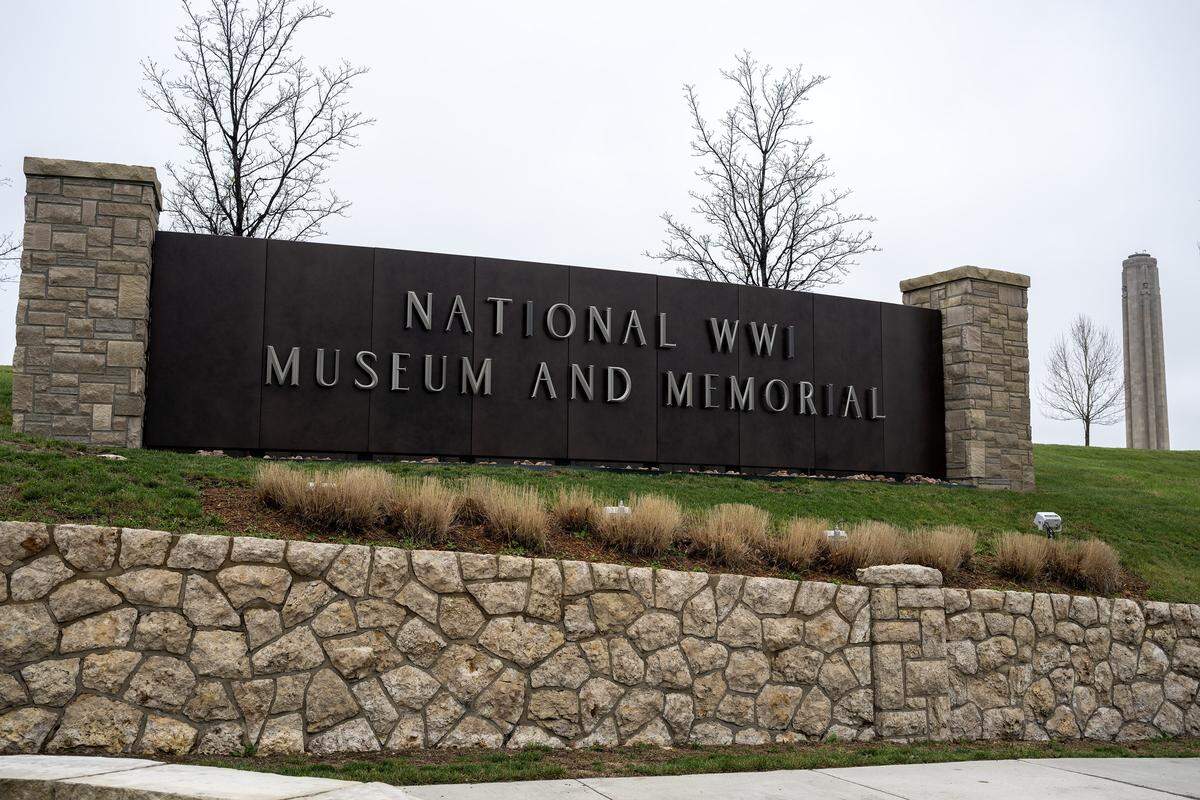
The National WWI Museum and Memorial is located at 2 Memorial Drive in Kansas City. Here, a sign is pictured on Wednesday, April 1, 2026. Emily Curiel ecuriel@kcstar.com
Football leagues worldwise were interrupted because of World War I, but the game was still played by citizens, troops and even prisoners of war. Some generals hated the idea of soldiers playing the game instead of resting, but many they eventually supported it and worked it into their training regimens. Games were also used to raise funds for wartime military efforts
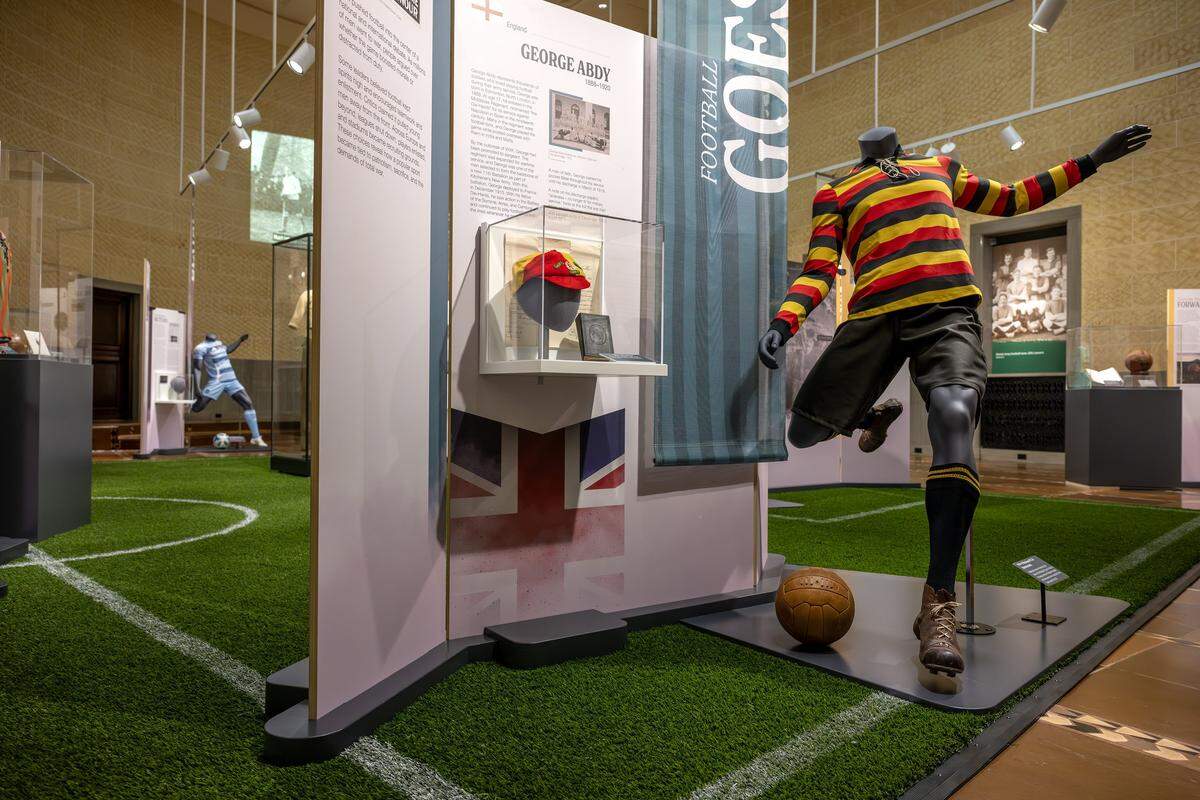
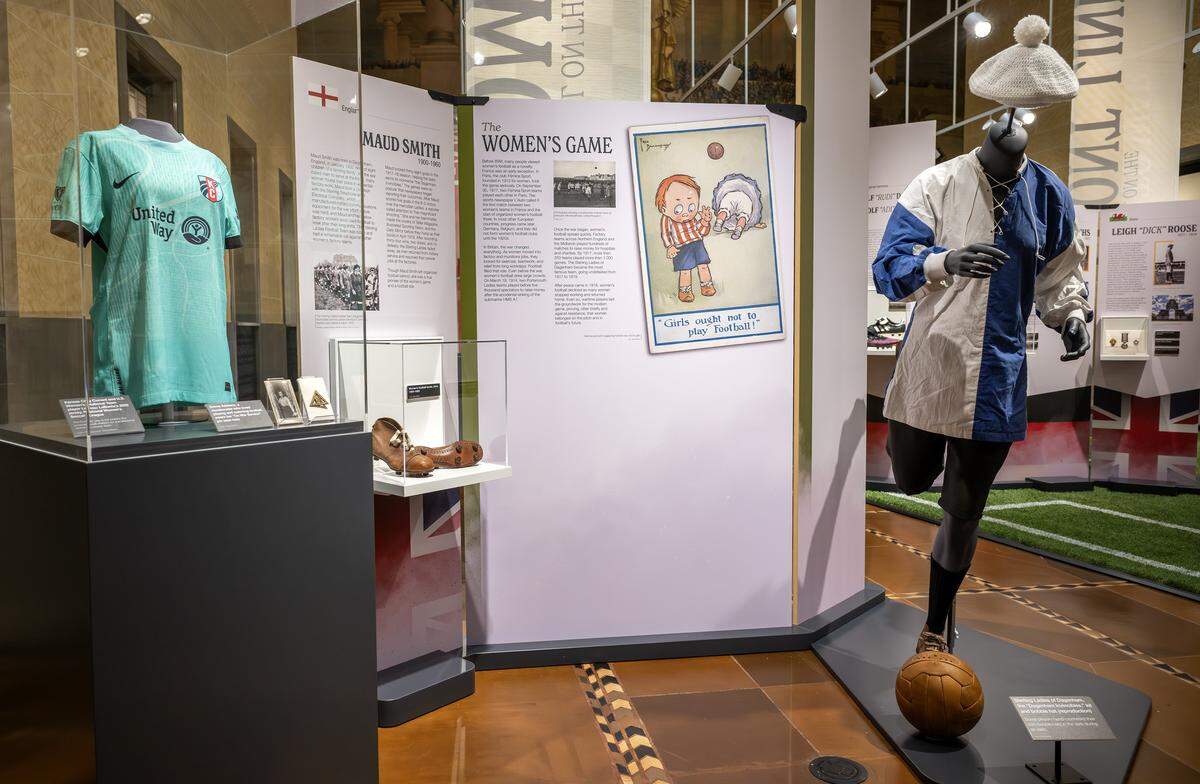
Artifacts from “The Beautiful Game,” a new exhibition highlighting the role of soccer during World War I, are displayed at the National WWI Museum and Memorial on Wednesday, April 1, 2026, in Kansas City. Emily Curiel ecuriel@kcstar.com
The first FIFA World Cup took place in 1930 in hopes of fostering harmony and togetherness among nations.
Artifacts from “The Beautiful Game,” a new exhibition highlighting the role of soccer during World War I, are displayed at the National WWI Museum and Memorial on Wednesday, April 1, 2026, in Kansas City. Emily Curiel ecuriel@kcstar.com
It took 18 months to gather artifacts and organize the exhibit in Kansas City. Much of the material in the extensive display was brought in from international museums, chief curator Dr. Christopher Warren told The Star. Interestingly, the exhibit was already in the works before Kansas City was announced as a World Cup host city; the appointment just made the museum kick the idea into overdrive.
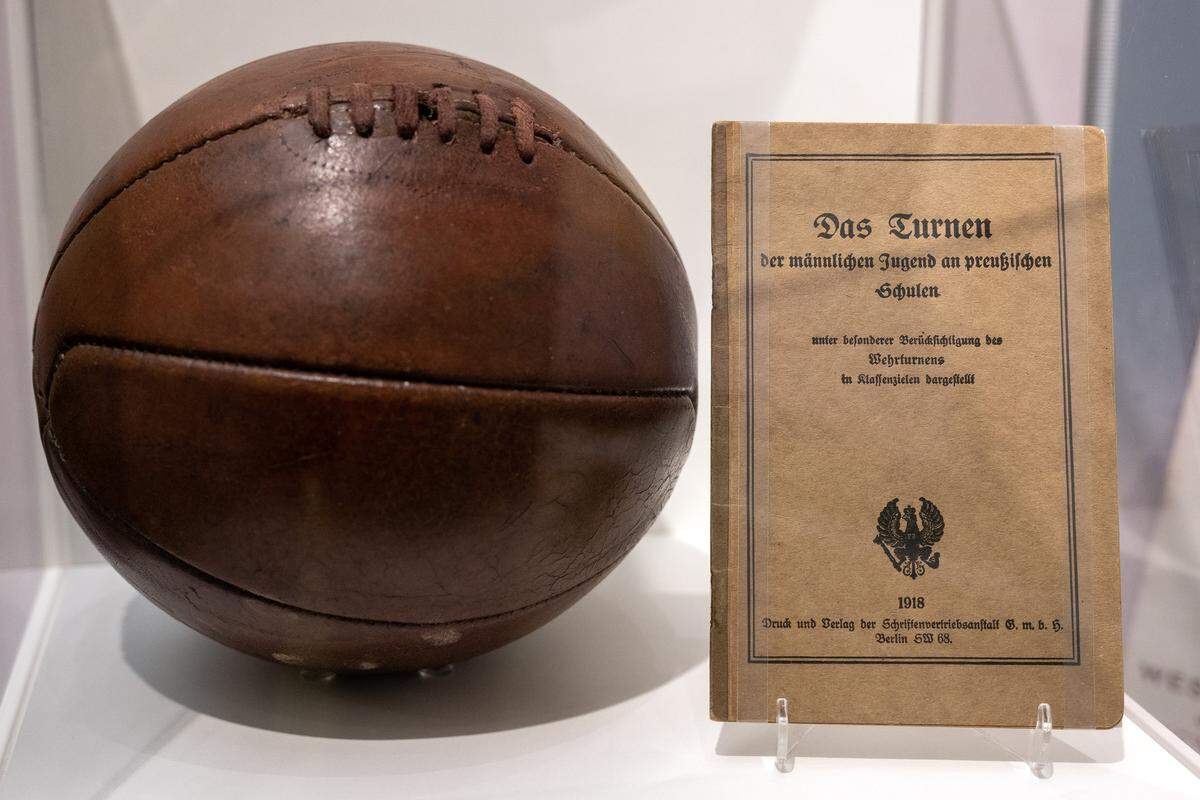
A football with 8-panel construction, circa 1890-1920, and a 1918 German pamphlet are displayed in the new exhibition “The Beautiful Game,” highlighting the role of soccer during World War I, at the National WWI Museum and Memorial on Wednesday, April 1, 2026, in Kansas City. Emily Curiel ecuriel@kcstar.com
“Every nation that was involved in the war has a history with football and impact of the soldiers that were fighting, including the Americans,” Warren said. “It was the second-most popular sport played in American training camps after baseball.
“They have the idea of using sport to kind of bring the world back together. Of course, that didn’t work successfully because other conflicts occurred. But that idea of the universality of it, the common experience playing a game.”
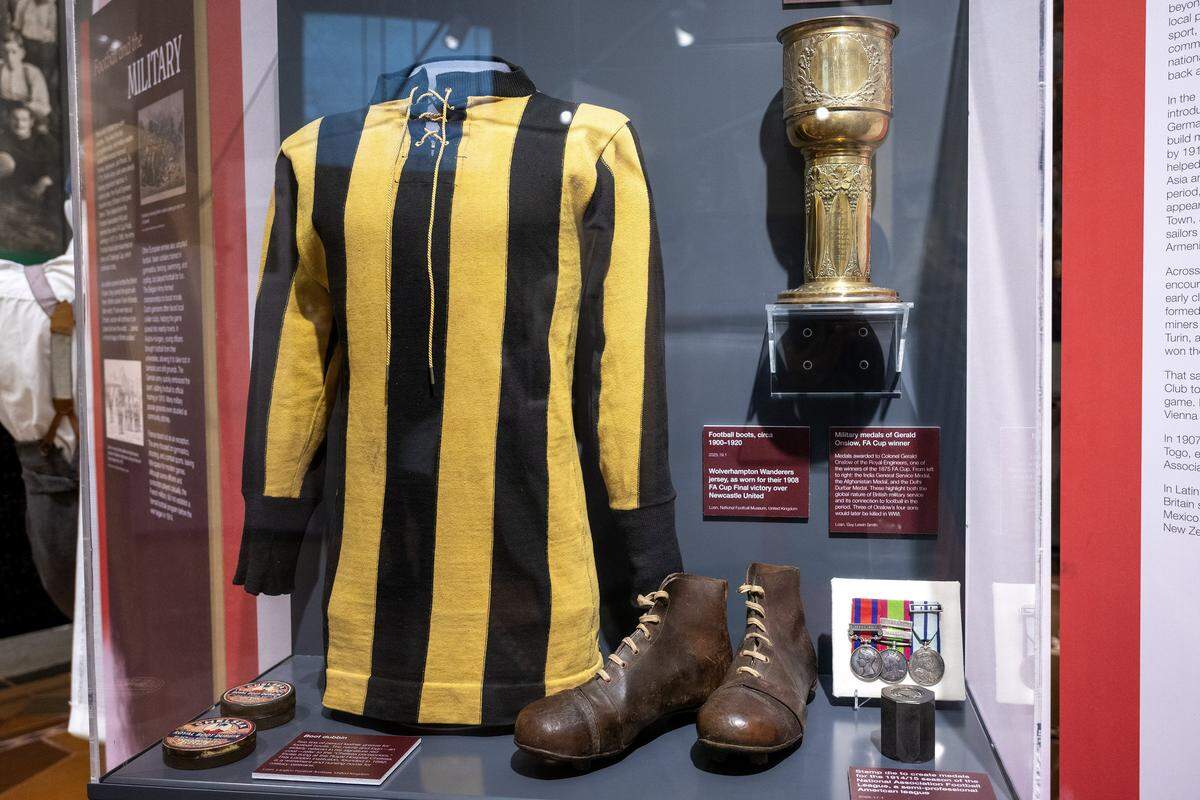
Artifacts from “The Beautiful Game,” a new exhibition highlighting the role of soccer during World War I, are displayed at the National WWI Museum and Memorial on Wednesday, April 1, 2026, in Kansas City. Emily Curiel ecuriel@kcstar.com
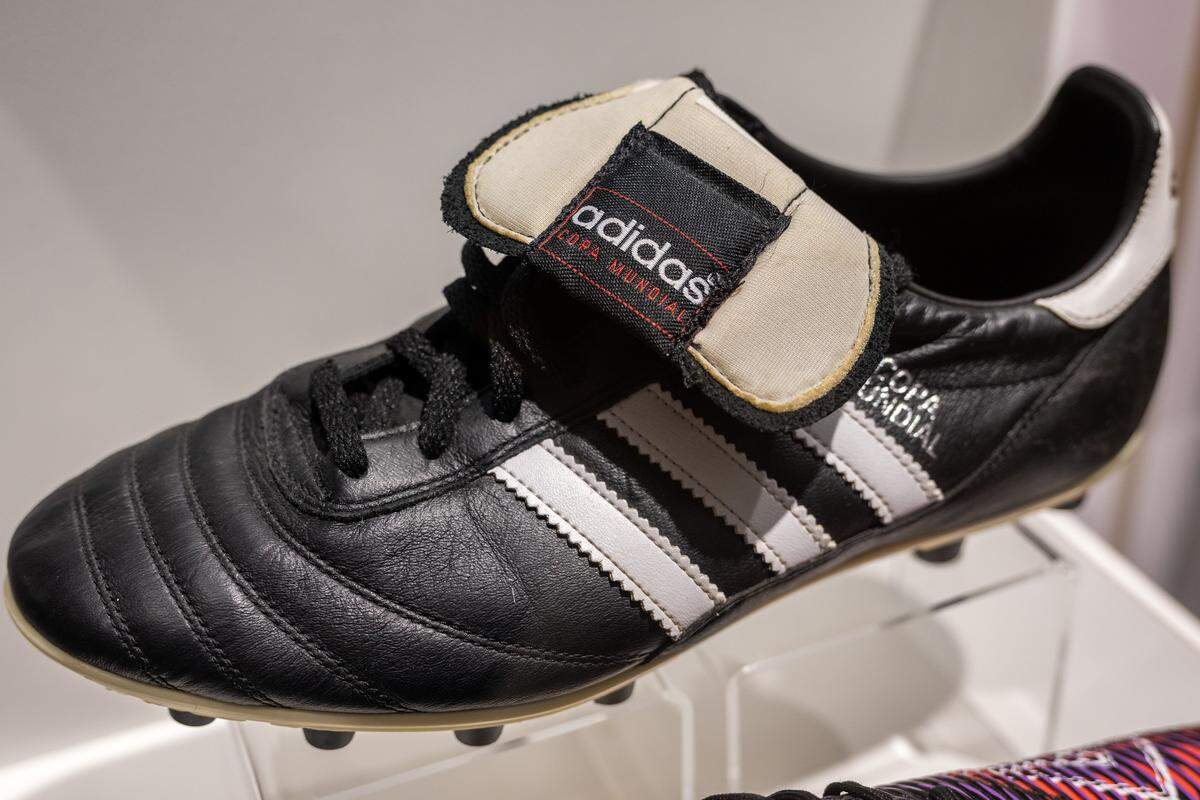
Some of the artifacts tell the story of the German-born Dassler brothers, who separately created the sports-apparel giants Puma and Adidas. Also on display are jerseys and other apparel from KC Current star Lo LaBonta, Sporting KC forward Dejan Joveljić and the World War I era.
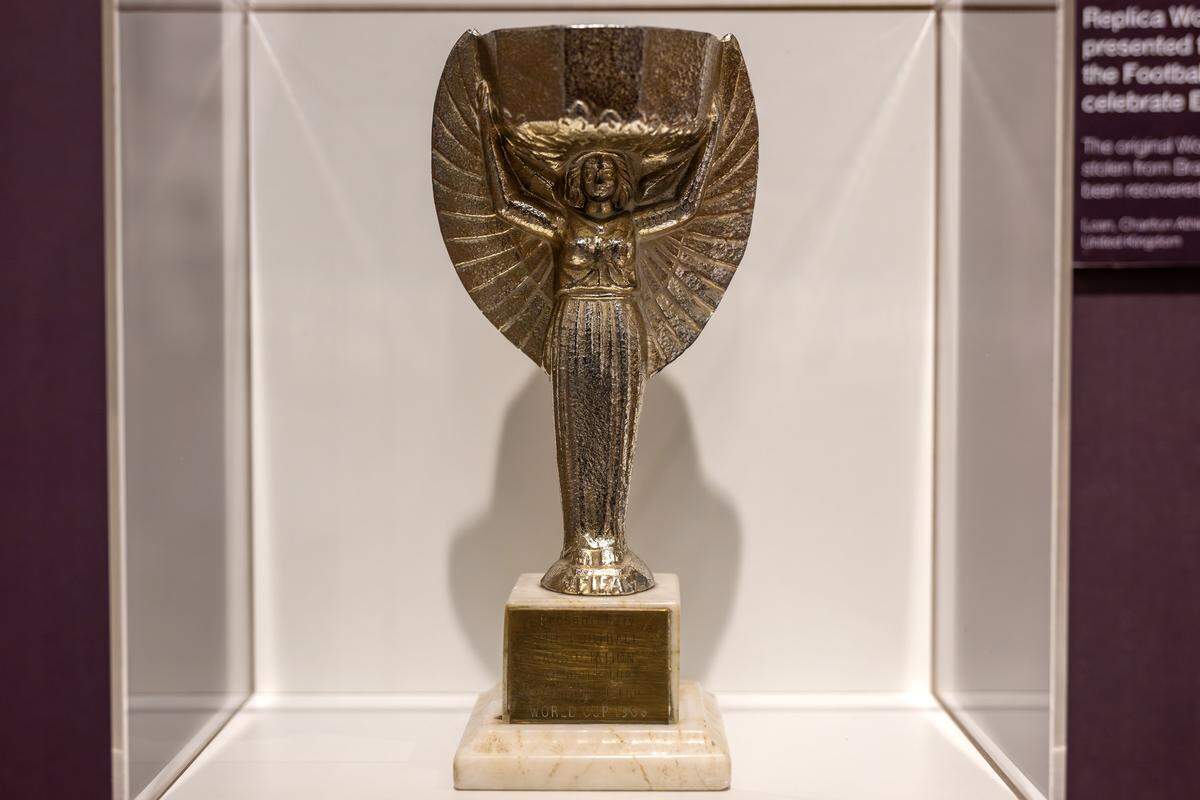
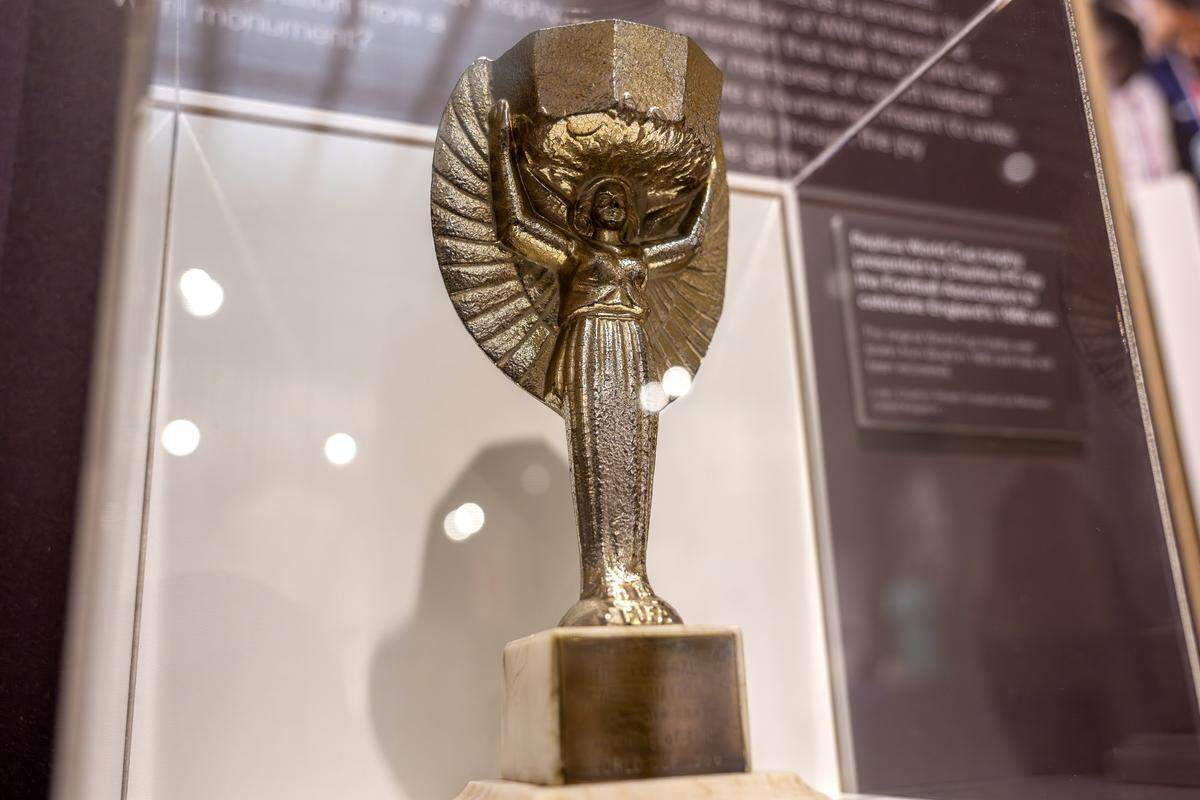
A replica World Cup trophy presented to Charlton FC by the Football Association to mark England's 1966 victory is displayed in the new exhibition “The Beautiful Game,” highlighting the role of soccer during World War I, at the National WWI Museum and Memorial on Wednesday, April 1, 2026, in Kansas City. Emily Curiel ecuriel@kcstar.com
One of the most unique artifacts in the exhibit is, or will be, the Coupe de France trophy. En route to the museum ahead of the World Cup, the trophy is awarded annually to the winner of the French Cup, that nation’s top knockout competition. The Coupe de France trophy will join the display in KC after this season’s championship final is contest in late May.
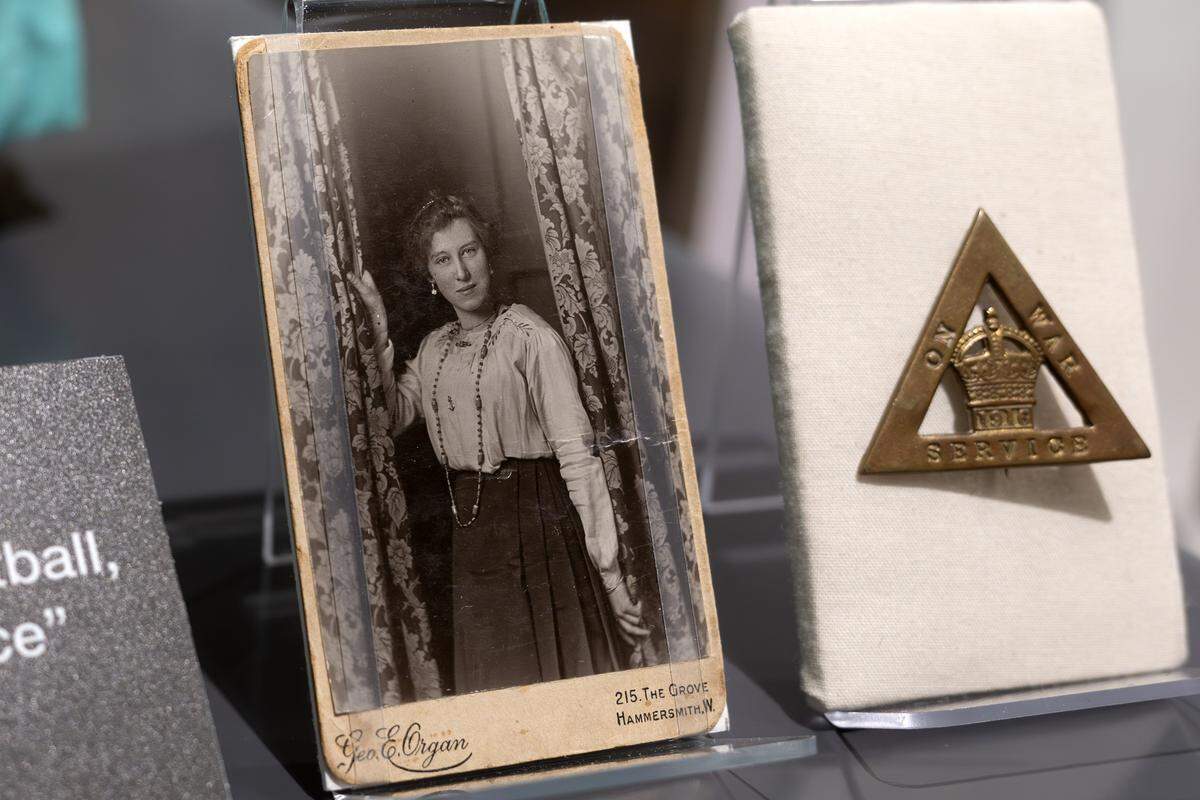
A photograph of Emma Addams, a who played and watched soccer, is displayed in the new exhibition “The Beautiful Game,” highlighting the role of soccer during World War I, at the National WWI Museum and Memorial on Wednesday, April 1, 2026, in Kansas City. Emily Curiel ecuriel@kcstar.com
Warren said the French Football Federation was happy to loan out the trophy for the first time in its history.
“When I sent their director an email, I thought there’s no way, but they were over the top, enthusiastic,” Warren said. “It’ll be people that know football. They’re gonna be kind of over the moon.”
The exhibit opens Thursday and runs until Sept. 14.
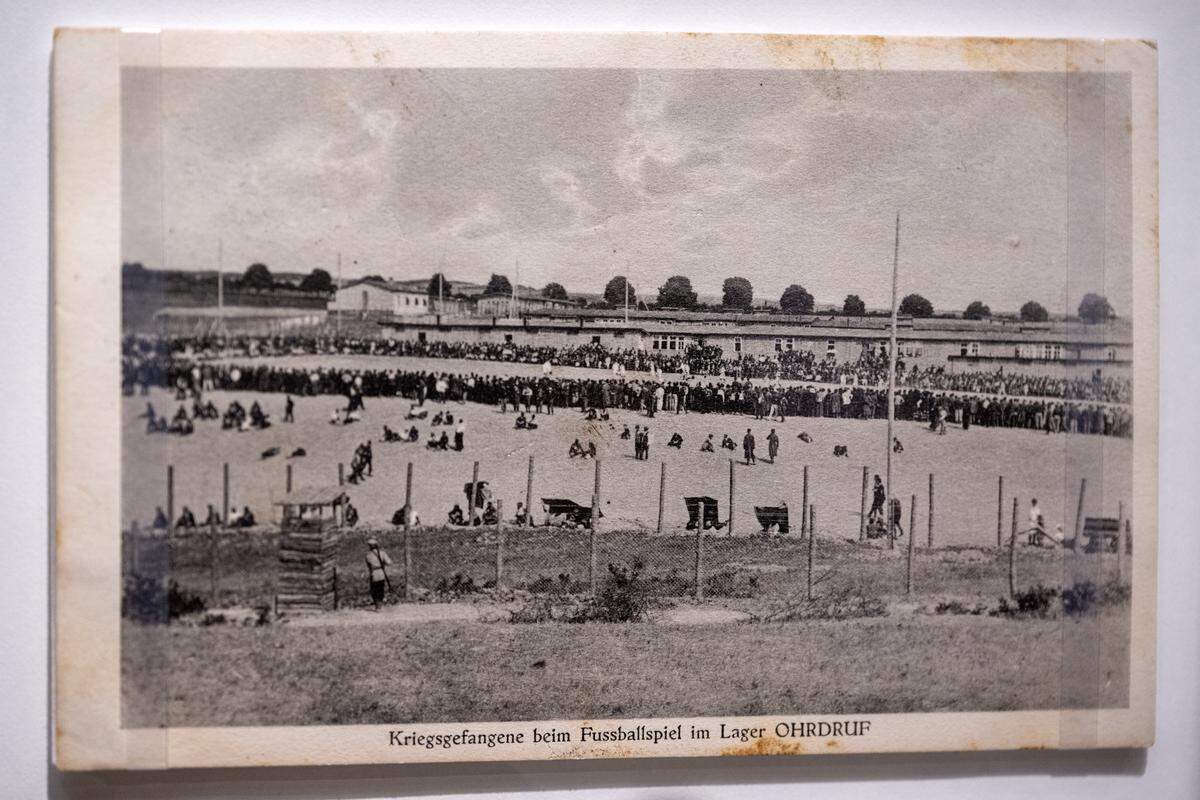
A German postcard depicting Allied prisoners of war playing football at Ordruf prison camp in Germany is displayed in the new exhibition “The Beautiful Game,” highlighting the role of soccer during World War I, at the National WWI Museum and Memorial on Wednesday, April 1, 2026, in Kansas City. Emily Curiel ecuriel@kcstar.com
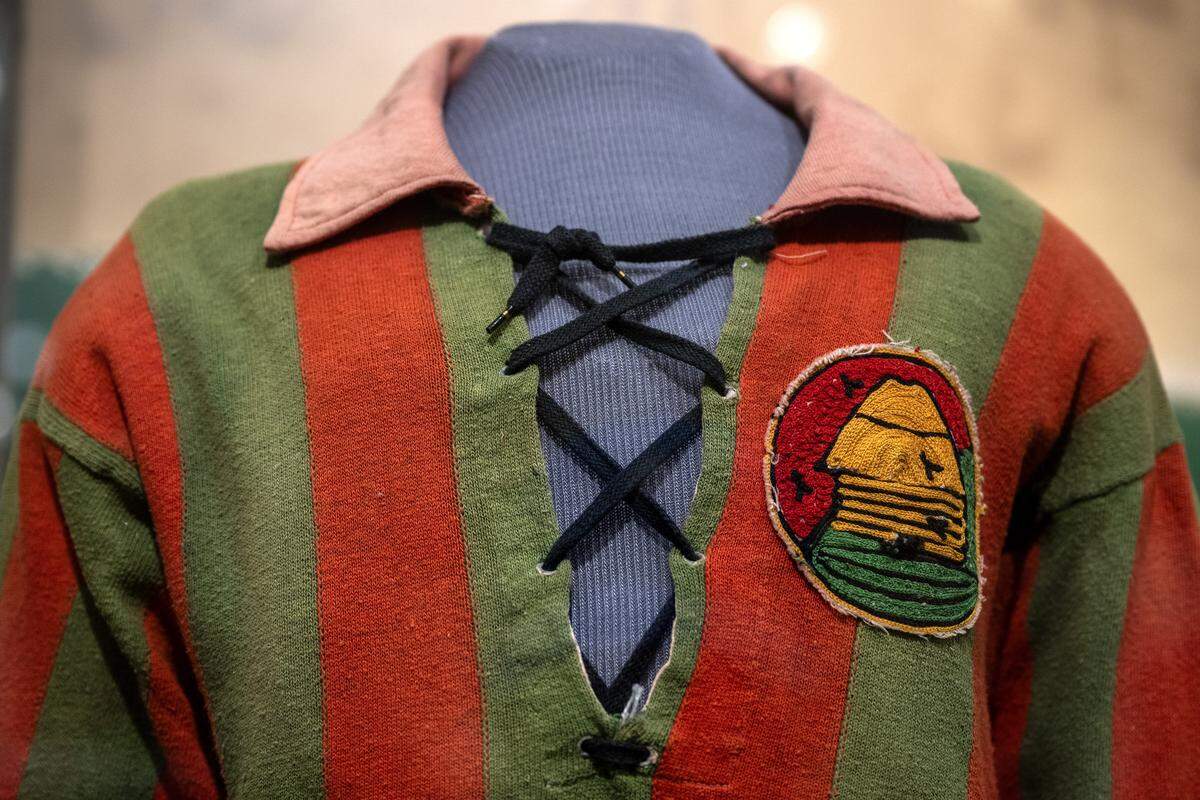
A postwar jersey worn by Hector Goetinck, with an unknown club emblem, is displayed in the new exhibition “The Beautiful Game,” highlighting the role of soccer during World War I, at the National WWI Museum and Memorial on Wednesday, April 1, 2026, in Kansas City. Emily Curiel ecuriel@kcstar.com
Artifacts from “The Beautiful Game,” a new exhibition highlighting the role of soccer during World War I, are displayed at the National WWI Museum and Memorial on Wednesday, April 1, 2026, in Kansas City. Emily Curiel ecuriel@kcstar.com
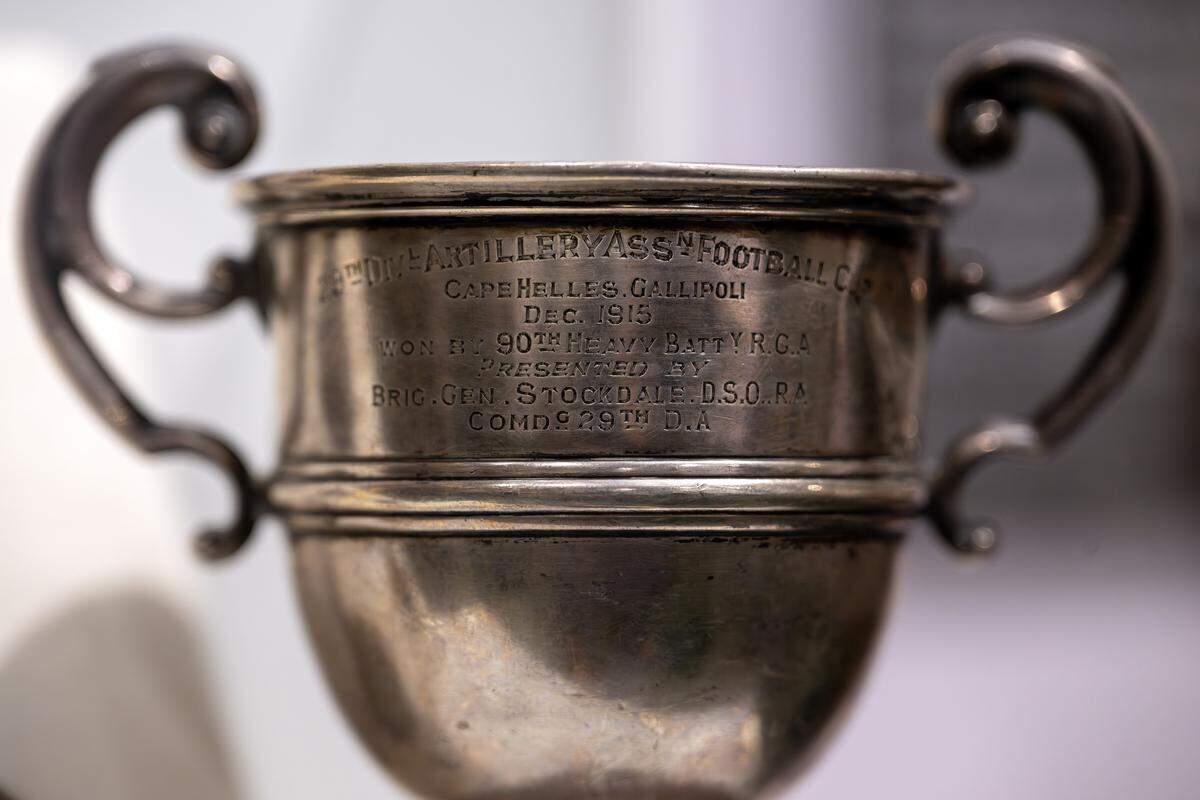
A football cup from the 29th Division Artillery Association is displayed in the new exhibition “The Beautiful Game,” highlighting the role of soccer during World War I, at the National WWI Museum and Memorial on Wednesday, April 1, 2026, in Kansas City. Emily Curiel ecuriel@kcstar.com
A replica World Cup trophy presented to Charlton FC by the Football Association to mark England's 1966 victory is displayed in the new exhibition “The Beautiful Game,” highlighting the role of soccer during World War I, at the National WWI Museum and Memorial on Wednesday, April 1, 2026, in Kansas City. Emily Curiel ecuriel@kcstar.com
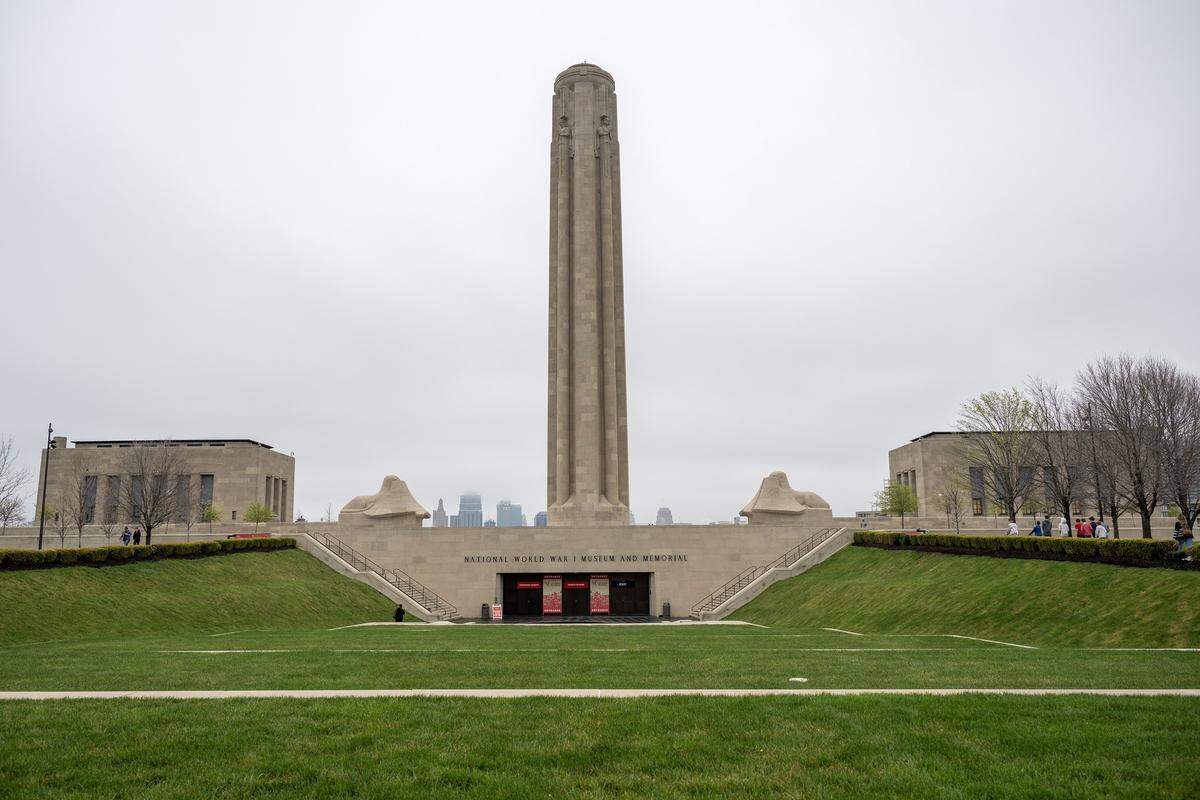
Kansas City’s National WWI Museum and Memorial is pictured on Wednesday, April 1, 2026. Emily Curiel ecuriel@kcstar.com
Artifacts from “The Beautiful Game,” a new exhibition highlighting the role of soccer during World War I, are displayed at the National WWI Museum and Memorial on Wednesday, April 1, 2026, in Kansas City. Emily Curiel ecuriel@kcstar.com
A football with 8-panel construction, circa 1890-1920, and a 1918 German pamphlet are displayed in the new exhibition “The Beautiful Game,” highlighting the role of soccer during World War I, at the National WWI Museum and Memorial on Wednesday, April 1, 2026, in Kansas City. Emily Curiel ecuriel@kcstar.com
Artifacts from “The Beautiful Game,” a new exhibition highlighting the role of soccer during World War I, are displayed at the National WWI Museum and Memorial on Wednesday, April 1, 2026, in Kansas City. Emily Curiel ecuriel@kcstar.com
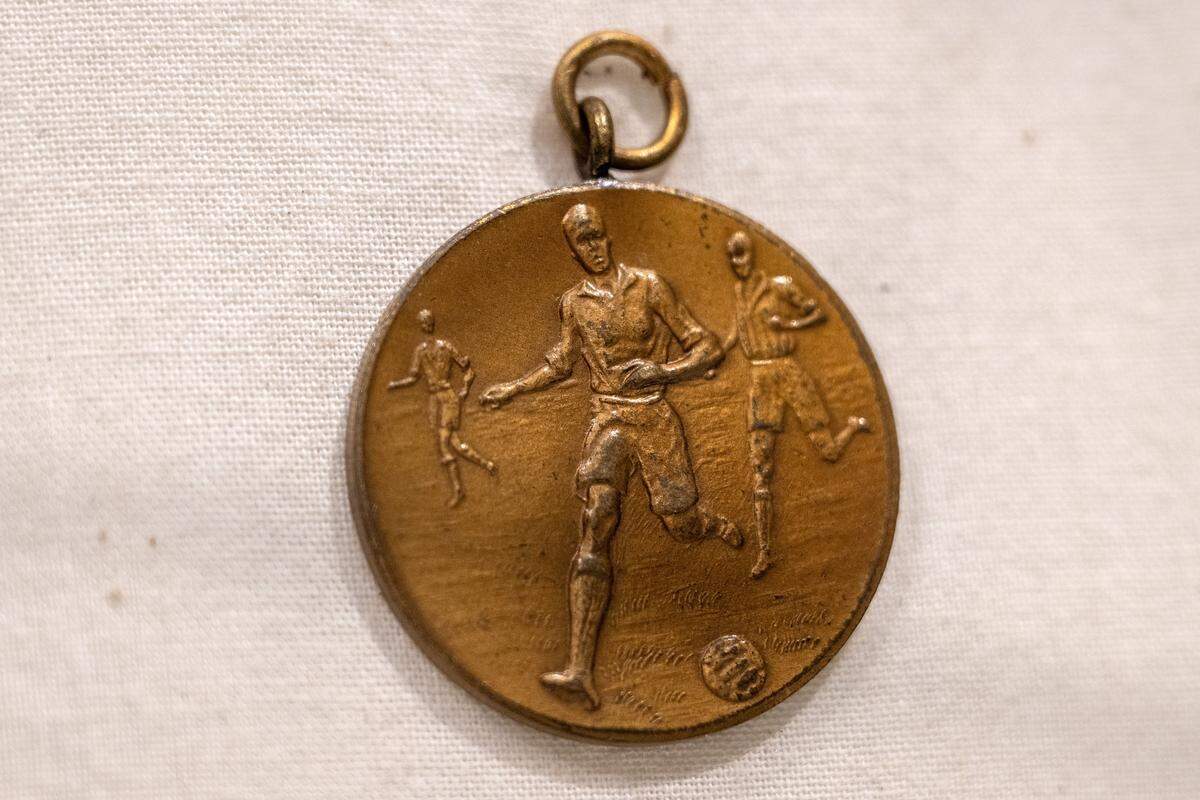
A medallion featuring three people chasing after a ball is displayed in the new exhibition “The Beautiful Game,” highlighting the role of soccer during World War I, at the National WWI Museum and Memorial on Wednesday, April 1, 2026, in Kansas City. Emily Curiel ecuriel@kcstar.com
Adidas cleats are displayed in the new exhibition “The Beautiful Game,” highlighting the role of soccer during World War I, at the National WWI Museum and Memorial on Wednesday, April 1, 2026, in Kansas City. Emily Curiel ecuriel@kcstar.com
A photograph of Emma Addams, a who played and watched soccer, is displayed in the new exhibition “The Beautiful Game,” highlighting the role of soccer during World War I, at the National WWI Museum and Memorial on Wednesday, April 1, 2026, in Kansas City. Emily Curiel ecuriel@kcstar.com
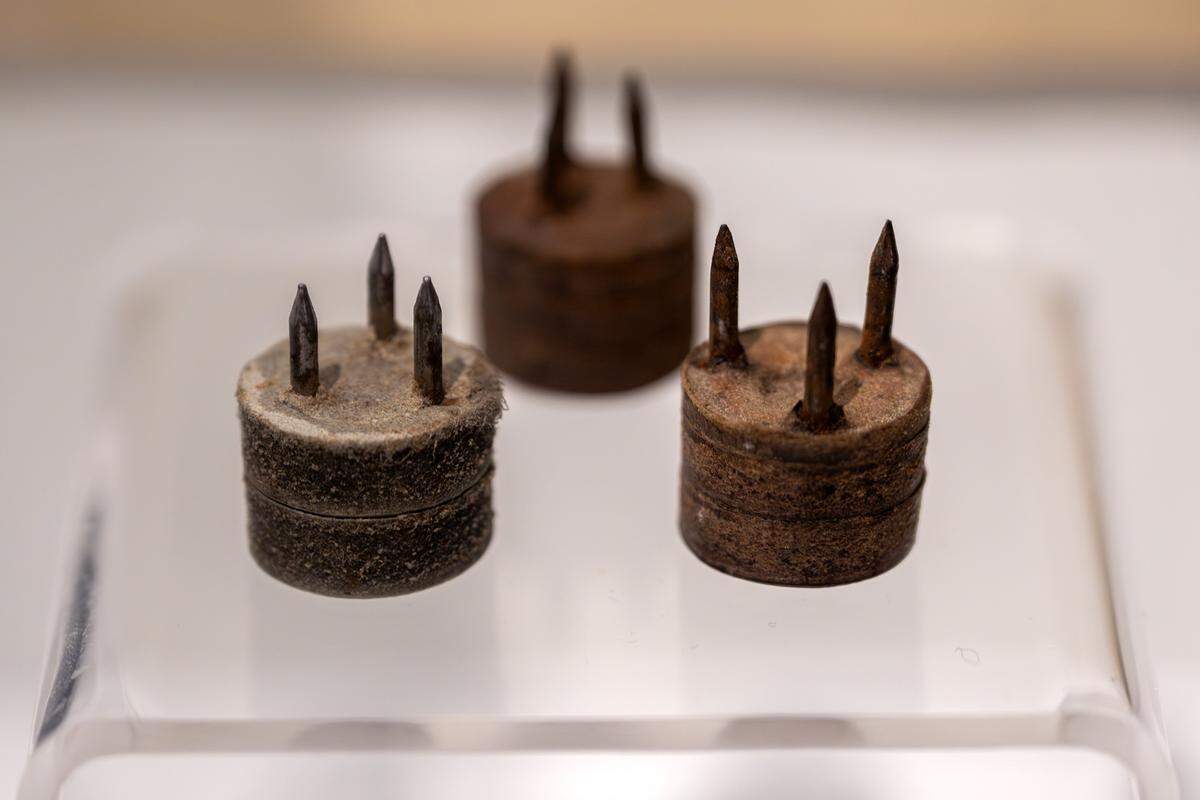
Removable studs used to turn work boots into football boots are displayed in the new exhibition “The Beautiful Game,” highlighting the role of soccer during World War I, at the National WWI Museum and Memorial on Wednesday, April 1, 2026, in Kansas City. Emily Curiel ecuriel@kcstar.com
This story was originally published April 1, 2026 at 12:21 PM.
PJ Green is a breaking news reporter for The Star. He previously was a sports reporter for Fox’s Kansas City affiliate and a news reporter for NBC’s Wichita Falls, Texas affiliate. He studied English with a concentration in journalism and played football at Tusculum University. You can reach him at pgreen@kcstar.com or follow him on Twitter and Bluesky - @ByPJGreen
Sports Pass is your ticket to Kansas City sports
#ReadLocal
Get in-depth, sideline coverage of Kansas City area sports - only $1 a month