
UM System president and AD address changing financial picture of MU athletics
AI-generated summary reviewed by our newsroom.
- Veatch and Choi briefed Faculty Council on NIL growth and shifting athletics finances.
- NCAA set a $20.5M institutional cap; third-party investors face no limit.
- MU treats athletes as 1099 contractors via Every True Tiger Brands, blocking unionization.
University of Missouri athletic director Laird Veatch and UM System President Mun Choi updated the MU Faculty Council on its yearly financial report late this week.
During the Thursday meeting, faculty members were concerned about the continued expansion of name, image and likeness (NIL) and its relationship with the university, as well as its impact on the Mizzou Athletics budget.
“We don’t have a stable environment where (the players are) committed for a certain amount of time. We don’t have collective bargaining,” Veatch said. “It’s essentially a free market, year over year.”
Veatch shared that a cap of $20.5 million, instituted by the NCAA, restricts universities from investing too heavily in their teams. However, no such cap exists for third parties who could influence athletes, he added.
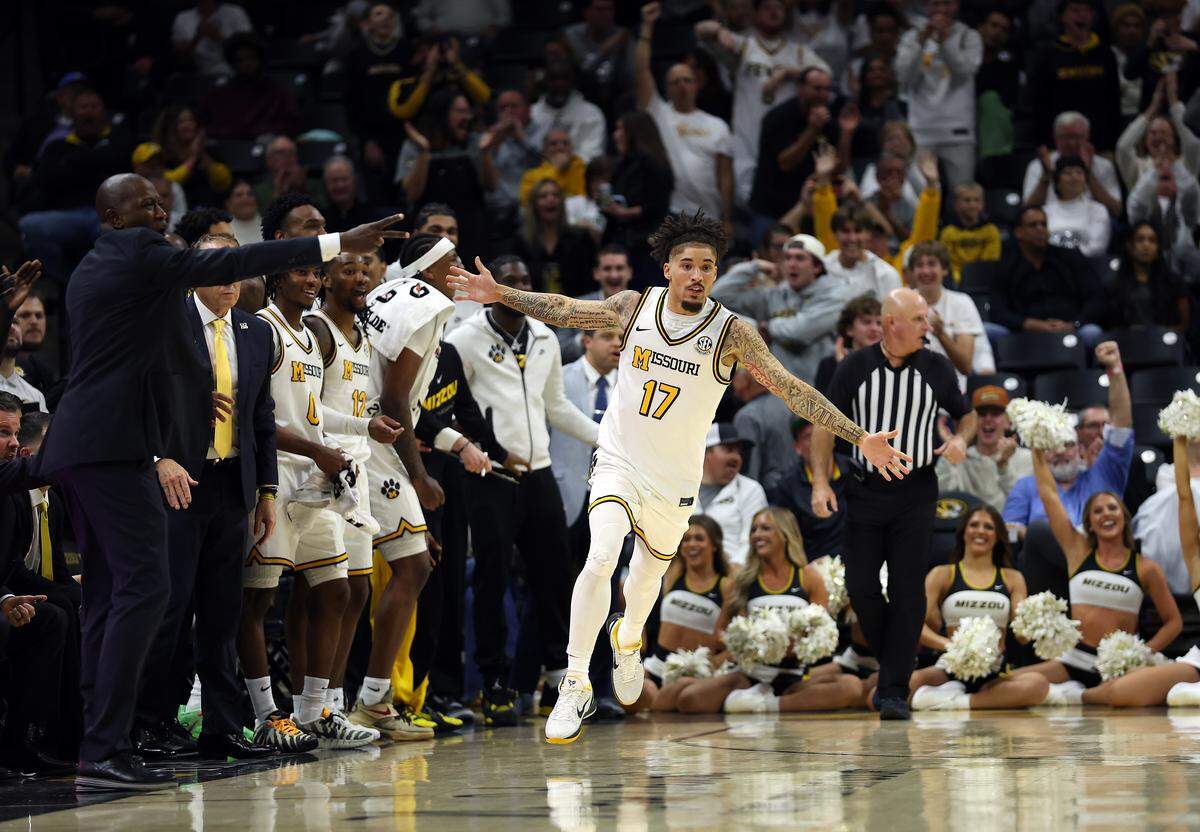
Members of the Faculty Council were especially interested in how private investment could affect the integrity of university athletics.
“With private equity you would to imagine you’d give up some control,” Choi said. “We would have to weigh that very carefully before giving up control as an institution with integrity.”
The way that student-athletes are viewed was also a point of contention during the meeting. Members of the council wanted to know if athletes were considered employees and could unionize.
Veatch explained that student-athletes are 1099 employees, or freelance contractors, through Every True Tiger Brands and thus cannot unionize. He noted there are ongoing lawsuits that would allow student-athletes to enter collective bargaining agreements.
“How is it possible, even in the Wild West of what’s going on now, that you get a quarterback in the national championship game, but when asked, ‘How were your classes this week?’ They say, ‘I haven’t been in class since I graduated (from Georgia) two years ago,’” council member Peter Wilden said.
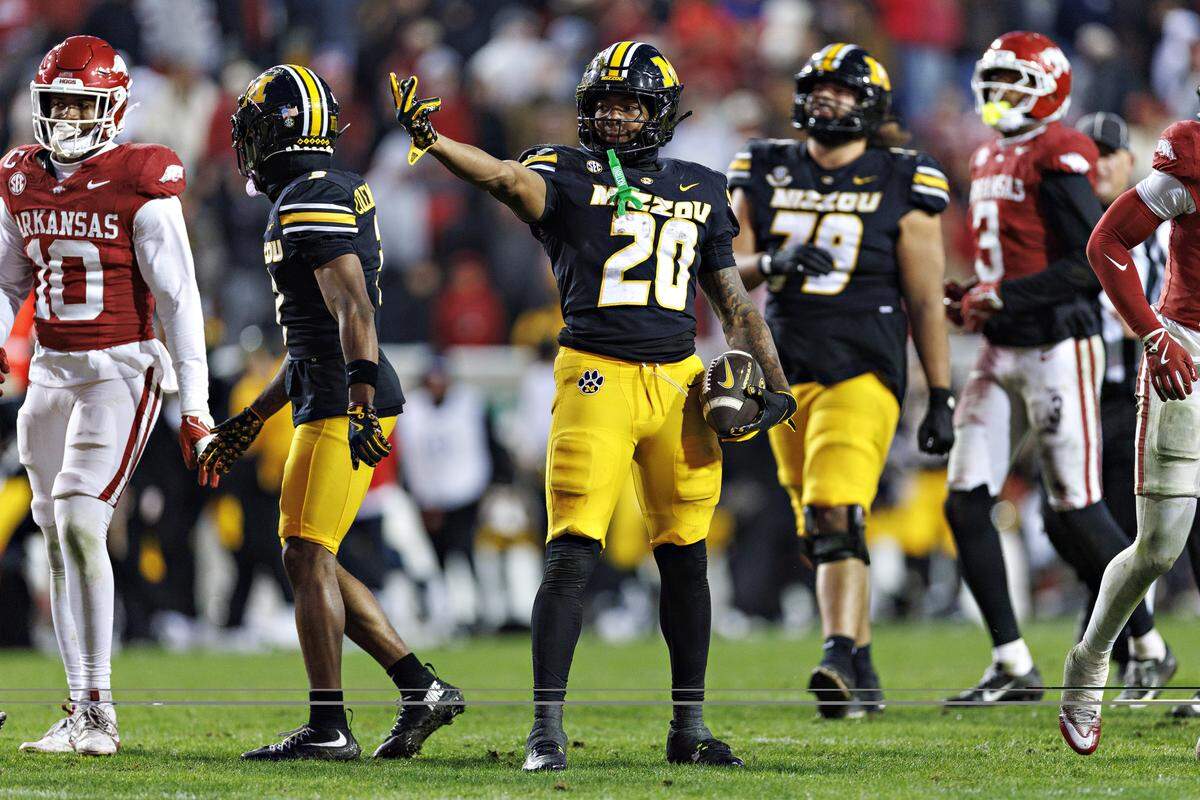
Wilden was referencing Miami Hurricanes quarterback Carson Beck in this example, but other members shared similar sentiment and expressed concern about the possibility that something similar could occur at Missouri.
Veatch and Choi both assured members that this wasn’t happening at Mizzou.
“There’s no question that the model for college athletics is shifting dramatically,” Veatch said. “There’s a professionalization that’s happening.”
Copyright 2026 Columbia Missourian