
It took a basketball legend to get KU’s Memorial Stadium started. It’s about to be reborn
Phog Allen only coached the University of Kansas football team for one season. But the basketball legend played a pivotal role in getting Memorial Stadium built
In 1920, Allen’s football team, which hadn’t been doing so well, played the vaunted Nebraska Cornhuskers to a tie.
The unexpectedly positive outcome spurred a wave of student support, not only for the Jayhawk gridders, but for the need to replace McCook Field and its old wooden bleachers. In fact, once the money for a new concrete stadium started rolling in, Chancellor Ernest Lindley proclaimed May 10, 1921 as Stadium. Day.
The idea was to enlist able-bodied college men to help disassemble McCook’s bleachers. And they did.
Allen spearheaded the university’s fundraising effort, known as “the Million Dollar Drive.” (Spoiler alert — they didn’t quite reach the goal, but construction proceeded anyway.)
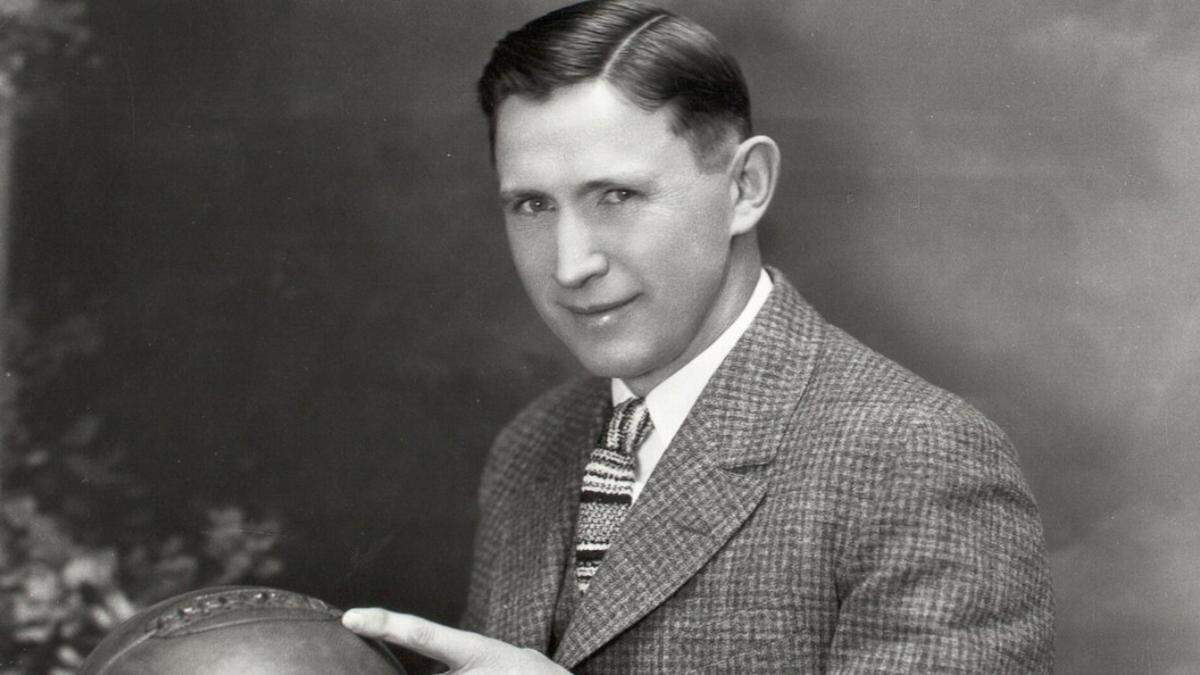
After all, as Allen eloquently stated, “Rome had its Coliseum. Kansas must have a stadium.”
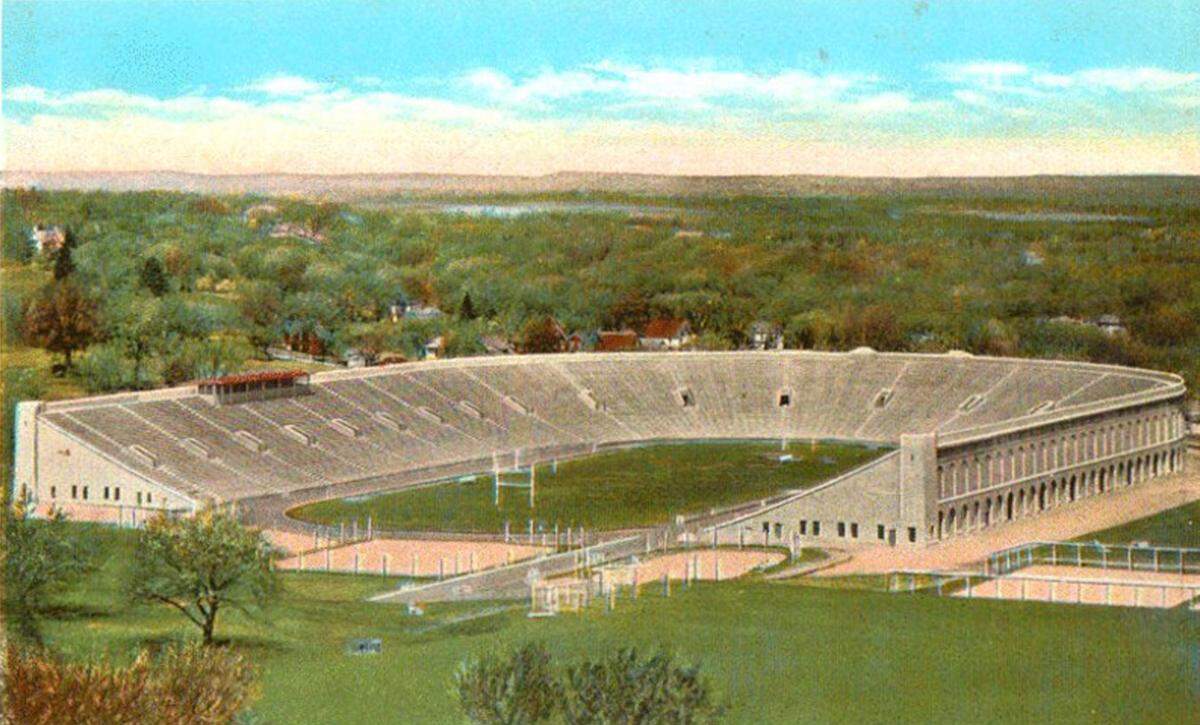
In October of that year, the Jayhawks played their first games in the unfinished stadium, including victories over Kansas State and Missouri. On November 11, 1922, KU made everything official, dedicating the completed 22,000 seat structure to the memory of the 129 students and alumni who’d perished during WWI.
.JPG "MEMORIAL STADIUM UNIVERSITY OF KANSAS(2).JPG")
Five years later, the bowl that gave the stadium its distinctive horseshoe shape was added on the north end, bringing Memorial Stadium’s capacity up to 35,000.
That basic design served its purpose for the next 35 years, as the stadium hosted football games, the Kansas Relays and after 1924, the commencement ceremeonies known as “walking the hill.”
In 1946, the stadium took on a role that no one would have predicted — student housing. Because returning veterans had strained the university’s resources, a plan was hatched to create cinder block dorm rooms in the stadium’s vast interior. Not exactly glamorous, but McCook Hall, as it was called, operated until 1959.
In 1963, Memorial Stadium got bigger again by going vertical, adding seats first on the west side, then two years later on the east. A new press box was part of the deal as well.
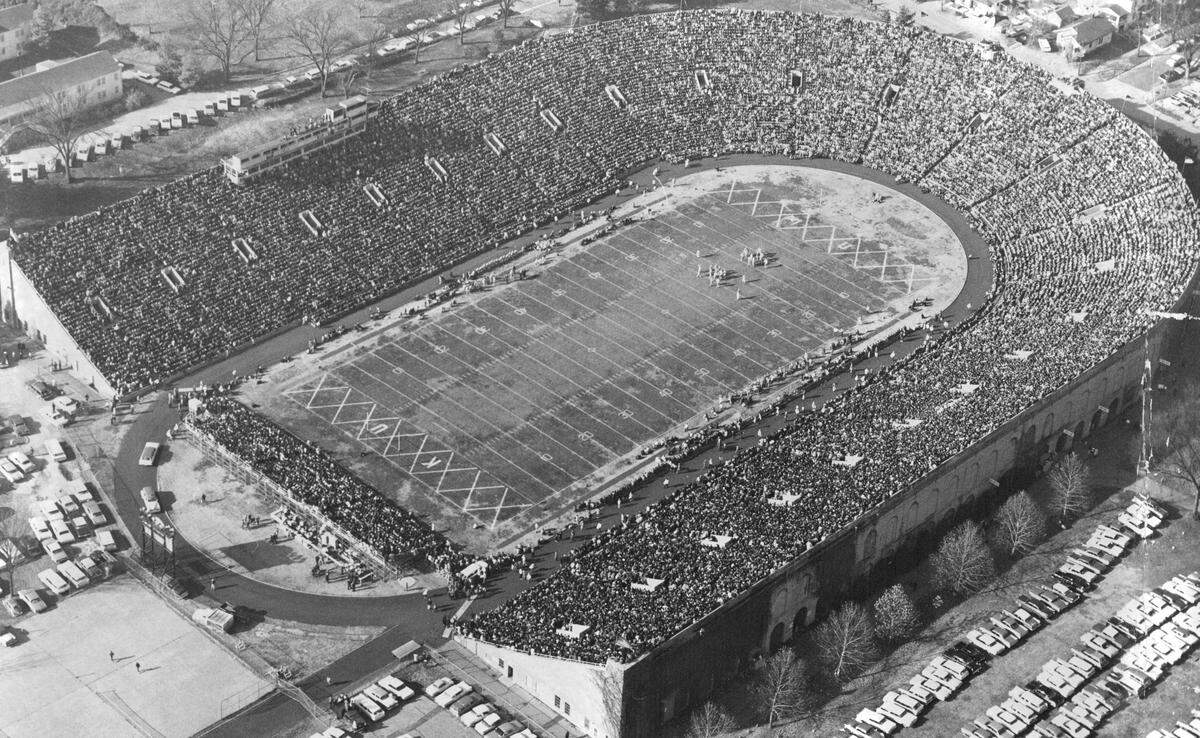
Astro Turf arrived in 1970, and in 1973 the newly expanded stadium saw its biggest crowd to date when 51,500 watched a victory over the rival Wildcats.
Other events have taken place in it as well. In 1983, the TV movie “The Day After” used the stadium for filming some post-apocalyptic scenes. That same year, “Hawkstock,” an off-season outdoor concert featuring Huey Lewis & The News and the Fabulous Thunderbirds brought some MTV-friendly tunes to town.
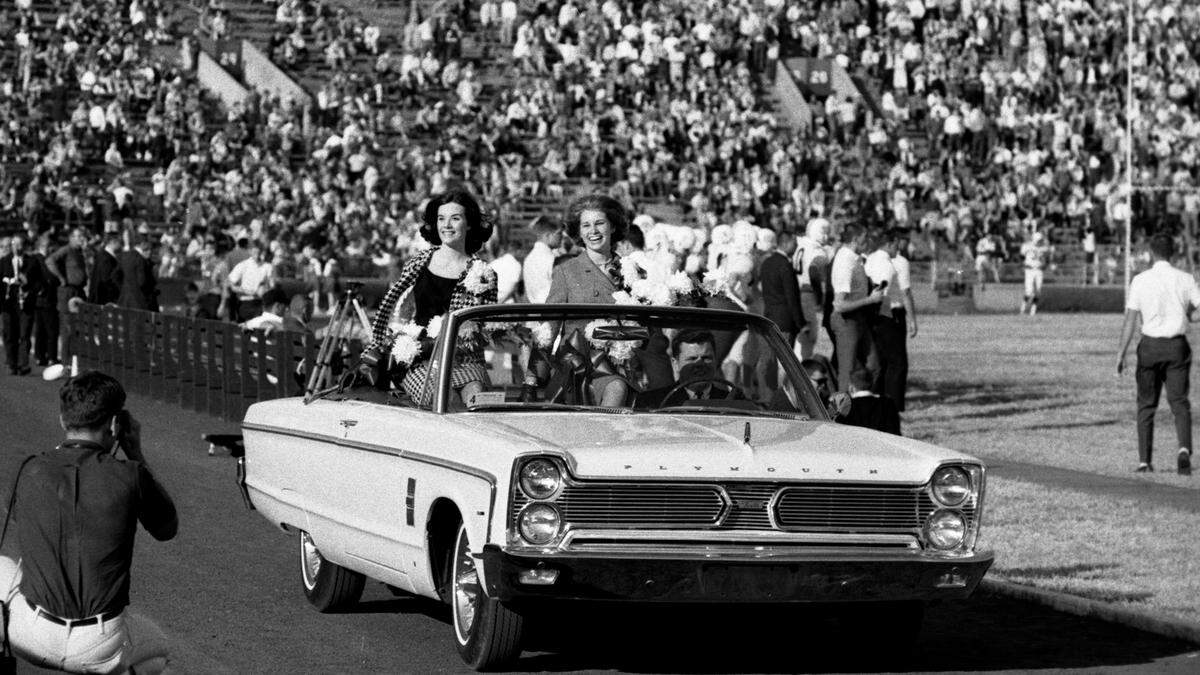
Since at least 1988, the stadium has also been a place for triumphant KU basketball teams to meet their fans and take a victory lap.
By the late 1990s, the stadium was showing its age. After permanent lighting was installed in 1997, a $26 million restoration project tackled many of the other issues with new concession stands, restrooms, a dressing room and video board.
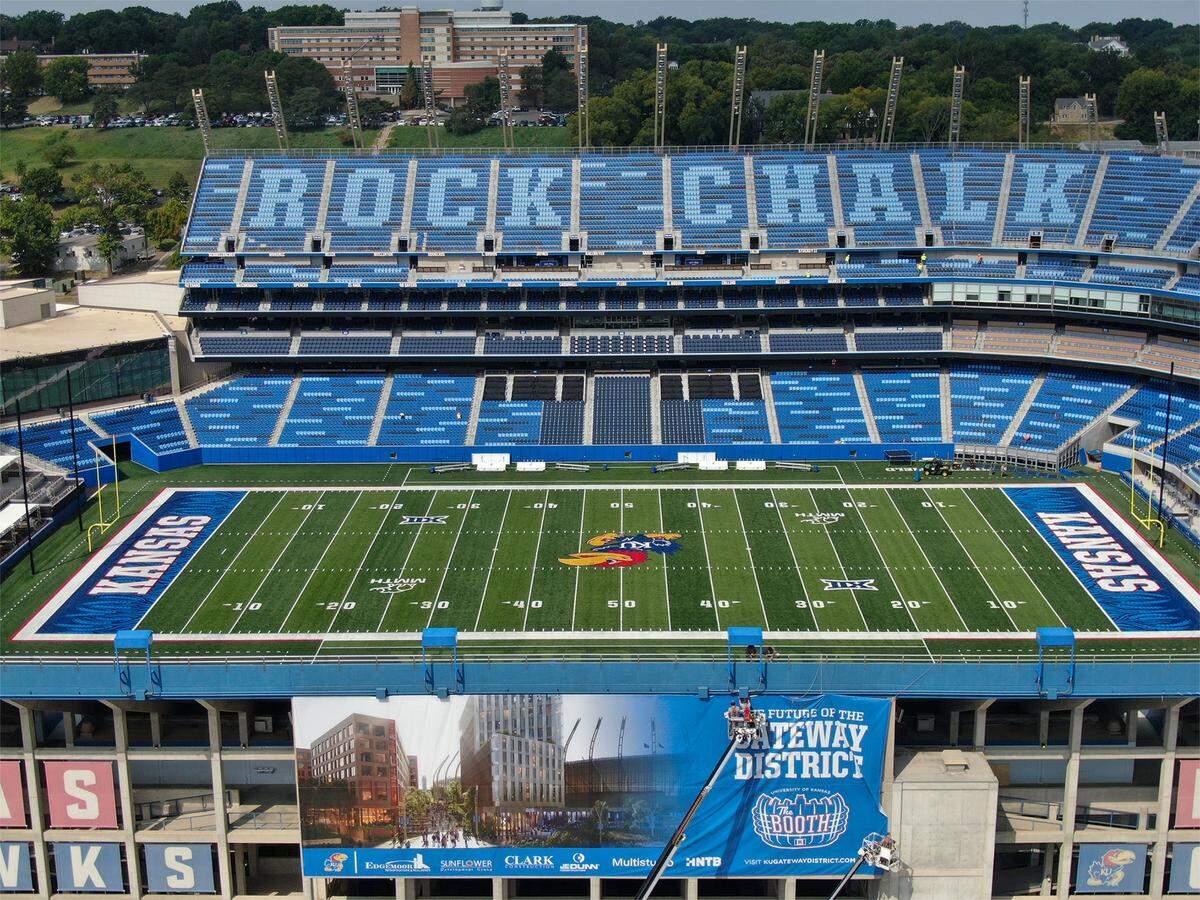
But none of those can compare to the transformation that’s taken place at the David Booth Kansas Memorial Stadium.
It’s been nearly two years since the Jayhawks last played a game there. Now the oldest college football stadium west of the Mississippi is basking in a new wave of 21st century attention.
Watch the video to see more on the history of Memorial Stadium.
.JPG "KCM_Boothtour081925TL0144copy (1).JPG")