
‘Just don’t give up’: Landry Shamet’s journey from KC and WSU to NBA champion
The face said more than the celebration.
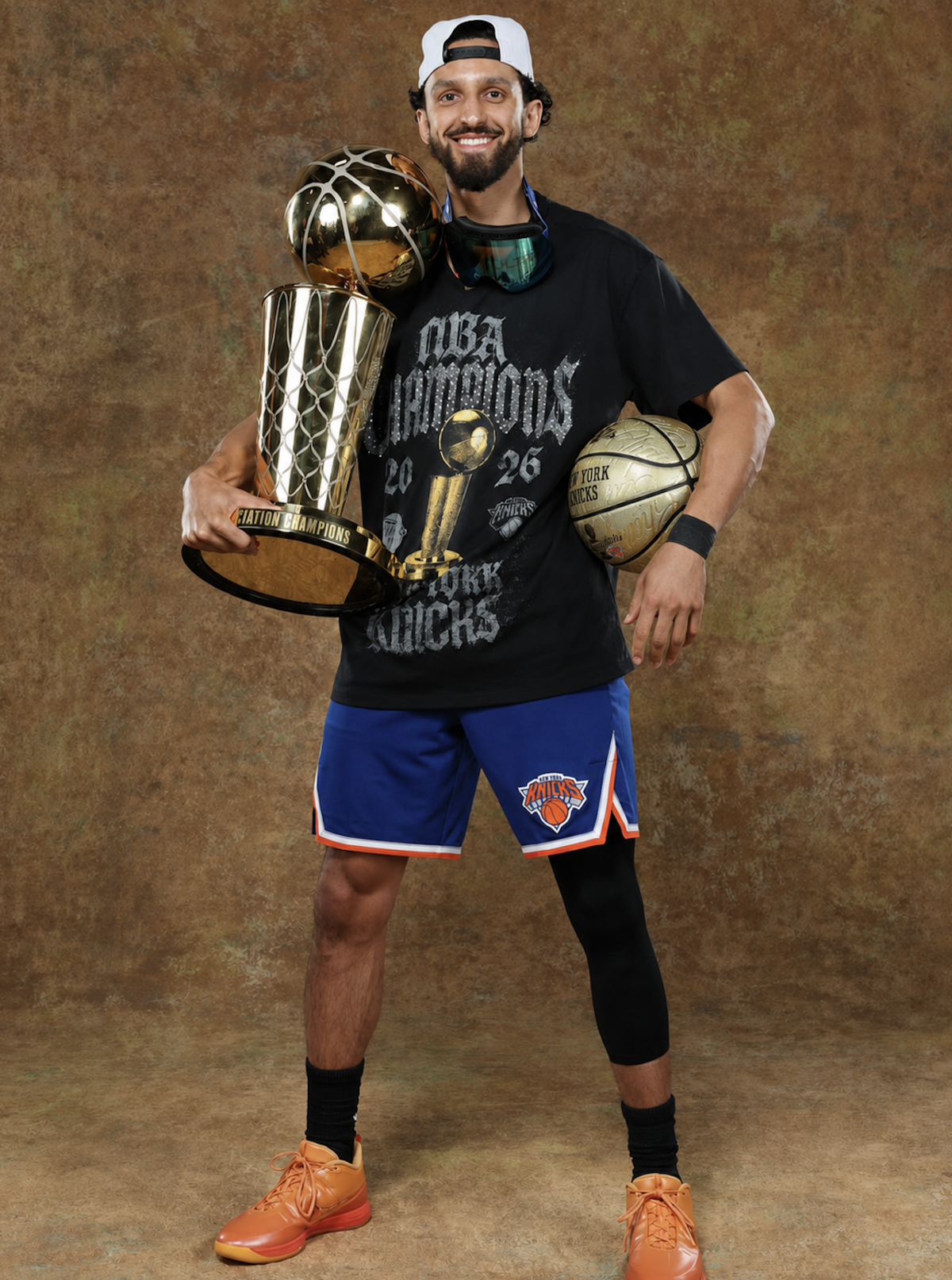
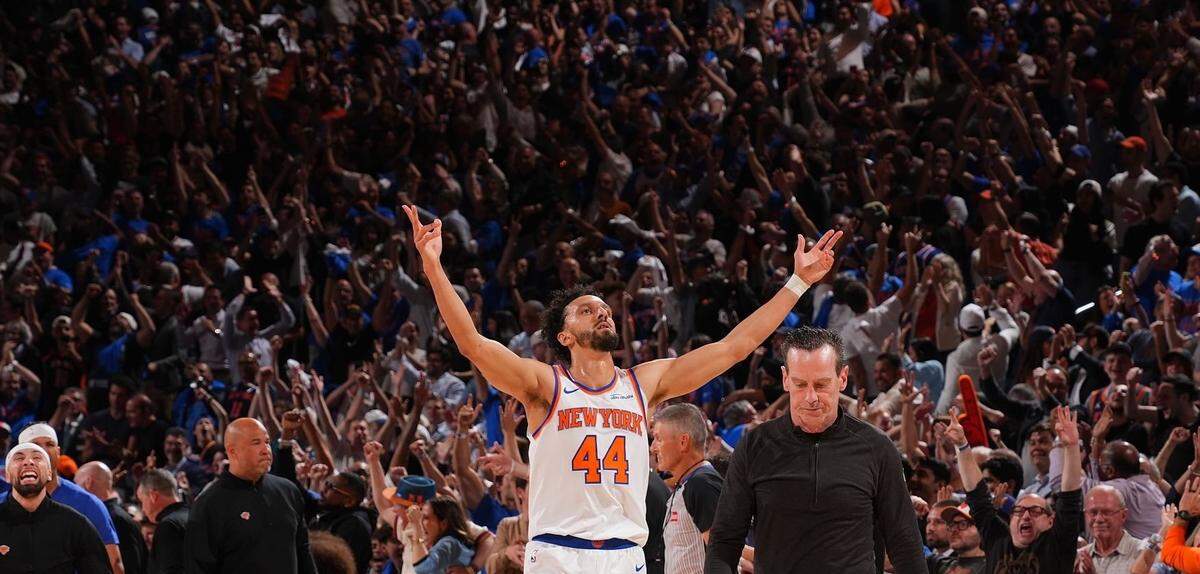
As ABC cameras found Landry Shamet in the middle of the New York Knicks’ championship celebration Saturday night, he did not look like a man swept away by the confetti. He was not grinning ear to ear. He was not crying. He was standing there with the weight of the moment written across his face.
It looked like he was still trying to process what had just happened.
A Kansas City native. A former Wichita State star. A player who had been traded, waived, injured, doubted and pushed to the edge of the NBA. A player who had signed training camp deals in back-to-back years. A player who, not that long ago, had to fight his way back through the G League just to stay on the Knicks.
Now he was an NBA champion.
“It’s emotional just considering everything,” Shamet told MSG Network afterward. “It’s crazy. It’s a lot. It’s going to be a lot the next few days for me. I’m just really, really grateful and proud of myself for not giving up.”
That is the story.
Not just that Shamet won.
It is that he won after he had every reason to wonder if the NBA was finished giving him chances.
The NBA is a league that can label players quickly and move on from them even faster. Shamet entered it as a first-round pick and a shooter, the kind of player contenders wanted because his jumper could bend a defense. But the longer he stayed, the more the league demanded. It was no longer enough to space the floor. He had to defend better. He had to absorb contact. He had to fight through screens. He had to impact winning on nights when the ball never found him. He had to stay ready when the rotation did not promise him anything.
The league kept asking him new questions.
Shamet kept finding answers.
His story is about reinvention. About pride without ego. About being passed over and still preparing like the next chance is coming. About getting hit by the business of professional sports and refusing to let it harden him.
The people who watched Shamet before the NBA saw the same things then that the Knicks needed now. They saw it in Kansas City gyms, where he played for a no-brand AAU team that wore reversible pennies and still took down powerhouse programs left and right. They saw it at Wichita State, where he treated practice sessions like playoff possessions. They saw it through injuries, trades and uncertain contracts, when Shamet kept trying to turn himself into whatever winning required.
By Saturday night, the rest of the basketball world could see it too.
Shamet was not just a champion.
He was a reminder of what can happen when a player refuses to let the hardest parts of his journey become the end of it.
‘When things got tough, he got tougher’
Long before Madison Square Garden chanted his name, before the Knicks trusted him in the Finals, before Wichita State sharpened him into a first-round pick, Shamet was a skinny guard from Kansas City who learned to compete.
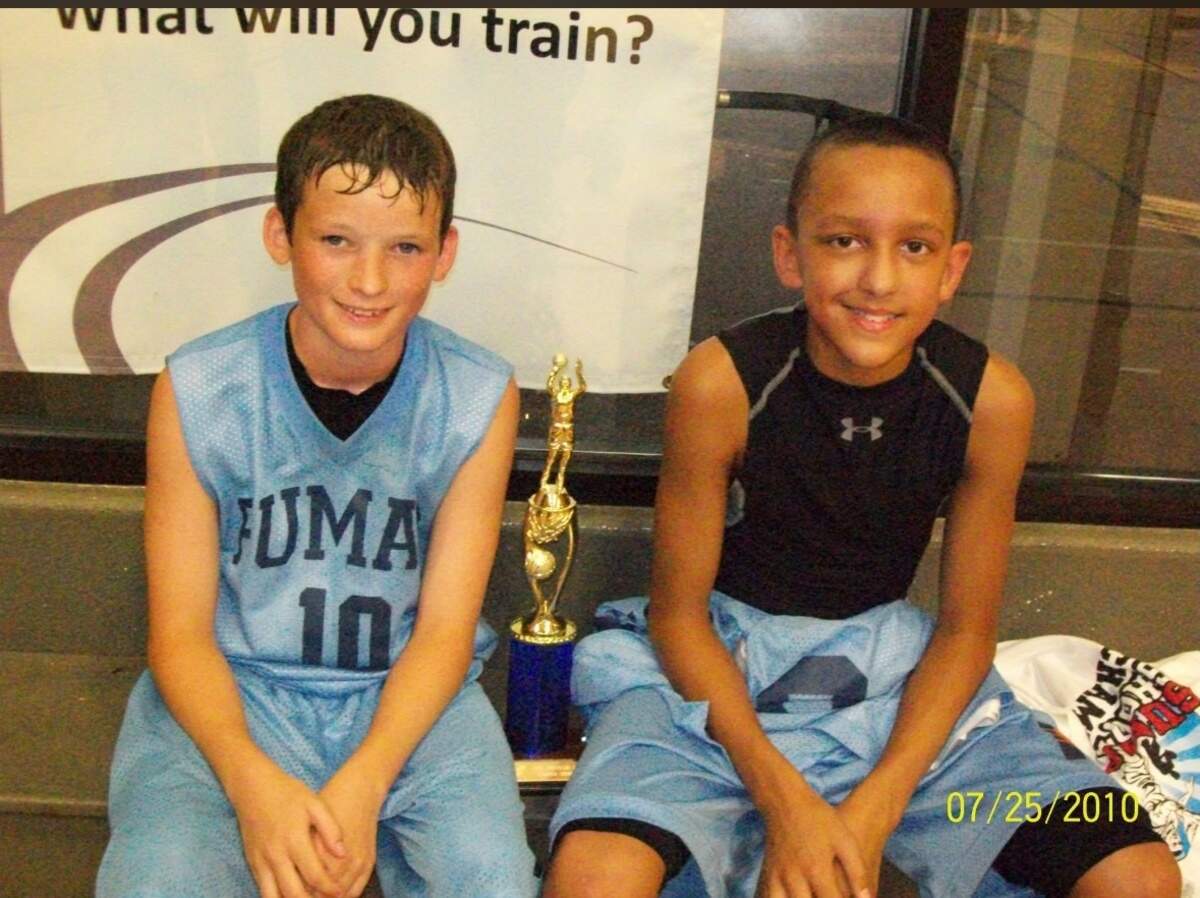
He played AAU basketball for the KC Pumas, an independent program without the shine of the Nike, Adidas or Under Armour circuits. The Pumas were so far from the glossy side of grassroots basketball that they did not always have real uniforms. They played in reversible pennies, Carolina blue and white, the kind of gear that made other teams look twice for all the wrong reasons.
Shamet liked that.
He did not want to join the shoe-brand teams. He wanted to beat them.
Darin Mason, his AAU coach, saw that early. The Pumas trained in a gym in Platte City, where Shamet and fellow standout Alston Jones were often split onto opposite teams in practice. Mason wanted the two best players to pull the best out of each other.
It worked. Sometimes too well.
The practices became battles. Shamet’s five against Jones’ five. Then, when the scrimmages ended, the two kept going. One-on-one. More talking. More pride on the line.
To outsiders, it sometimes looked like the two teammates did not like each other. In reality, they were good friends away from basketball. That was just how they competed. They could spend hours trying to break each other on the court, then walk out of the gym as brothers.
And one day, Shamet nearly did break him.
“I couldn’t do nothing with him that day,” Jones said. “I literally went home and contemplated if I ever wanted to play basketball again.”
Shamet was cutting behind him, dunking on him, hitting jumpers over him, winning over and over and over again. There was no soft landing. No mercy. No easing up because a friend was having a bad day.
Jones laughs about it now.
“I think I got him back the next day in practice,” Jones said.
Those who knew Shamet then say the competitiveness was never manufactured. It was always there.
“When his back is against the wall, that’s when he’s at his best,” Mason said. “He was one of those kids that when things got tough, he just got tougher.”
That edge traveled with Shamet.
Jones remembers the Pumas playing MWA Elite, the team led by Malik Newman, who was considered the No. 1 high school player in the country at the time. Jones knew the rankings. He knew the mixtapes. He knew the hype. So he walked over to Shamet before the game and asked if Shamet knew who they were about to face. Shamet shook his head. Jones told him.
Shamet said nothing. He just nodded, put his headphones back in and went out and scored more than 20 points in the first half.
That was Shamet before the country knew him: unimpressed by the name across from him, obsessed with proving himself against it.
“He was 16 going on 40,” Mason said.
‘A pro before he was a pro’
By the time Shamet arrived at Wichita State, he was the first top-100 recruit the program had signed under Gregg Marshall. But those around WSU quickly noticed something more important than his ranking.
He did not act like a freshman.
Grant Cohen, then a student manager for WSU, saw a maturity that reminded him more of Ron Baker and Fred VanVleet than a newcomer still finding his way. Shamet did not carry himself with entitlement, even though he arrived with a recruiting profile that could have allowed it. He treated everyone, from the stars to the managers, with respect.
“Landry was always one of the manager’s favorite players, not because of his skill, but because of how well he treated us,” Cohen said. “He made it very positive for the managers.”
Then the ball came out.
If Cohen was rebounding and passing for Shamet during a workout, the pass had to be right. If it wasn’t delivered where Shamet needed it coming off a screen, Shamet would throw it back and run the action again.
“Fred isn’t going to give me that in a game,” Shamet would tell Cohen.
It was not rude. It was not for show. It was the standard.
“He was very precise in how he worked,” Cohen said. “Everything had a reason. There was a purpose behind everything.”
Former WSU assistant Kyle Lindsted remembers the same thing.
“I always said Landry was a pro before he was a pro,” Lindsted said. “His mindset towards every rep and every drill was perfection and detailed with 100% effort. His mindset, that attention to detail, his work ethic are exactly the things that lead you to the success you find in the biggest moments on the largest stage.”
Shamet’s college career was not clean from the start. A foot injury derailed his first season and forced him to redshirt. Nick Jones, then a WSU graduate assistant, remembers Shamet attacking rehab with the same intensity he brought to shooting workouts. When Shamet was finally cleared late in the season, he practically lived in the gym, ready on the off chance the Shockers needed him in March and burned his redshirt.
They did not. Shamet had to sit through the NCAA Tournament, cheering while wishing he could be on the floor.
Shamet was disappointed, but he was not disconnected. He stayed vocal. He stayed invested. He stayed a teammate.
The following season, he became the Missouri Valley Conference Freshman of the Year. He helped WSU win the 2017 MVC regular-season and tournament championships. By 2018, he was an All-American and a first-round NBA draft pick.
But those close to him say the foundation was built in quieter places: the gym after practice, the film conversations, the questions he asked about the NBA long before he reached it.
Former WSU assistant Donnie Jones said Shamet did not merely want the league. He wanted to understand it.
“One thing that always stood out to me about Landry was how intentional he was about preparing for the next level,” Jones said. “A lot of guys talk about wanting to play in the NBA. Landry was different. He wanted to understand it. There’s a big difference.”
Shamet wanted to know how NBA games were played, how decisions were made, what got players into rotations and what knocked them out. He studied more than jump shots. He studied the whole ecosystem.
“You can’t manufacture that in a kid,” Jones said. “He came with it.”
‘He’s a true professional’
The Philadelphia 76ers drafted Shamet with the No. 26 overall pick in 2018 and he quickly proved he could shoot at the NBA level. He was traded to the Los Angeles Clippers as a rookie and continued playing for winning teams. Brooklyn traded for him. Phoenix traded for him. Contenders valued his spacing, quick release and ability to fit next to stars.
For a while, the league’s belief in Shamet was obvious.
Then the NBA did what the NBA does.
Roles changed. Teams changed. Expectations changed. Shamet was moved again and again, eventually becoming part of the Bradley Beal-Chris Paul trade that sent him to Washington in 2023. It was the first time in his career he was not on a team built to win immediately.
Injuries piled up too. After the Wizards waived him in July 2024, Shamet signed with the Knicks and dislocated his shoulder during the preseason.
New York waived him, then found a way to keep him close through its G League affiliate while he rehabbed. Once healthy, he returned to the NBA roster.
Still, nothing was promised.
Shamet stayed unsigned deep into the following offseason before the Knicks brought him back on another training camp deal. His contract was later guaranteed, and by the end of the season, he had made one of the best cases in the league for any player signed near the veteran minimum.
That was not luck. It was adjustment.
“You have to adjust as you come into the league,” Shamet said. “Defense wasn’t really my calling card when I was a rookie and my first couple years. If you want to survive and stay around, you’ve got to get better. Your role changes and your job changes a little bit, and you’ve got to buy in and understand what’s needed of you. So kind of just the journey of my career and grateful to have that have been my role this year.”
That quote explains why Shamet’s championship story is not simply about a shooter getting hot.
It is about a player who recognized what survival required.
Former teammate and coach J.R. Simon watched that evolution up close. Simon played with Shamet at WSU, later coached him as a graduate assistant and then worked with him in player development early in Shamet’s professional career. He has seen the shooter. He has seen the worker. He has seen the competitor.
This year, he saw the transformation.
“He has grown and developed so much on the defensive end where he really is a true 3-and-D guy now,” Simon said. “And he’s not guarding fourth and fifth options on the court. He is guarding superstars.”
That is what changed the way Shamet could help a team.
Early in his career, if the shot was not falling, his minutes could vanish. This season, the Knicks could still trust him because of his defense, connective passing, positioning and feel. He guarded elite players. He fought through screens. He absorbed contact better than he had earlier in his career. He no longer looked like a shooter trying to survive defensively. He looked like a player who had turned defense into part of his professional identity.
“You talk to guys like Fred and Ron who made it to the league and they will tell you how different the NBA is on the defensive end,” Simon said. “Over time in a career, you pick up on little tricks that can help you. How to maneuver through screens, how to get to spots. The ‘want to’ has always been there with Landry. I think it was more about just learning what it takes to defend in the NBA at that level.”
Doc Rivers, who coached Shamet with the Clippers, said much the same during an appearance on the Bill Simmons podcast.
“I’m just so proud of him by the way he plays,” Rivers said. “You couldn’t keep him on the floor five years ago, three years ago. Defensively, he couldn’t guard anybody. And that kid has worked his tail off. And the other thing is he’s always been a great shooter, but if he missed a couple, he would never keep shooting. Now he does. That’s maturity. That’s growing up.”
The Knicks saw that growth and trusted it.
So did their star.
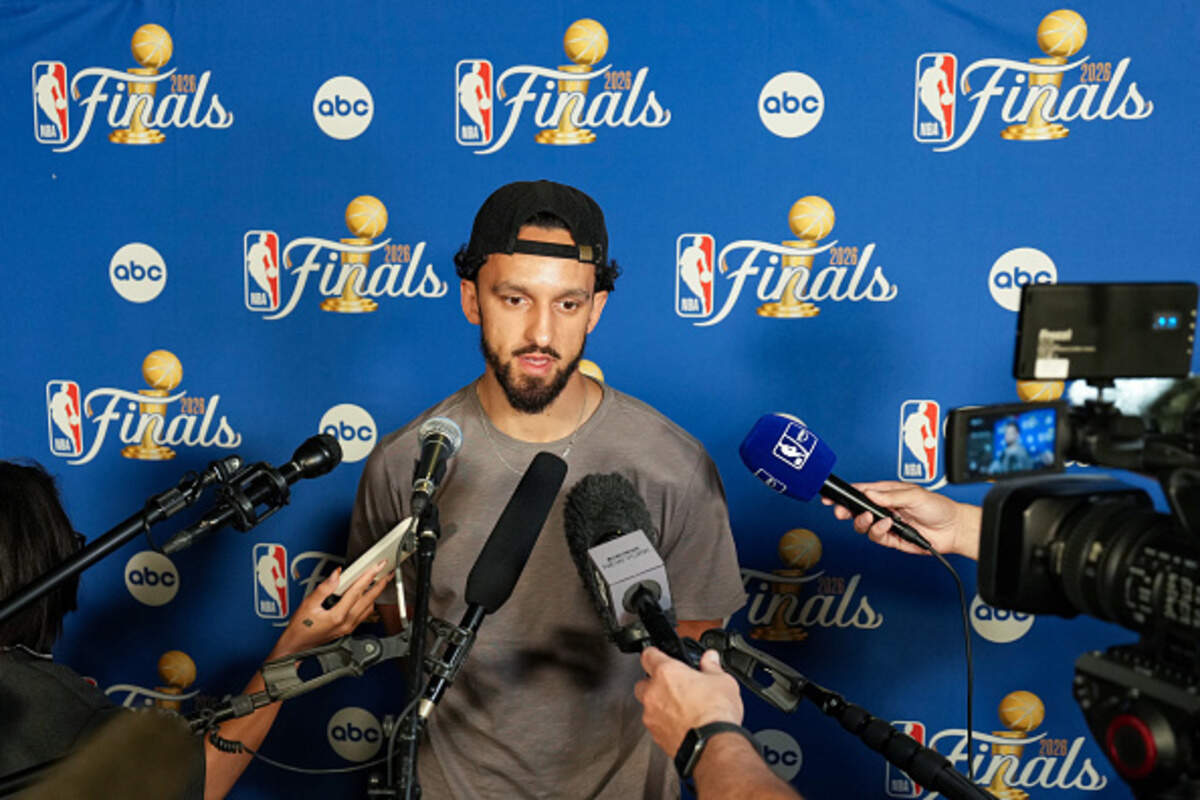
“That’s just who he is,” Knicks guard Jalen Brunson said. “He’s a true professional, ever since he walked into the league. I’ve got to see his work firsthand these past couple of years. He’s up to any task that you put in front of him. He’s been that player for us and we have the utmost faith in him.”
‘A great life lesson for others’
Mike Brown did not need long to become a believer.
Before he coached Shamet, before the Knicks won the championship, Brown said Shamet’s name came up during the interview process with team president Leon Rose. Brown wanted him in New York. He believed Shamet could help on both ends of the floor.
“When I first got the job, I called Landry,” Brown said. “I said, ‘Hey, I want you here. I’m sorry about the way the circumstances are contractually. I have nothing to do that. I believe you can help us on both ends of the floor.’”
Brown understood the roster crunch. He understood the contractual realities. But he also understood how rare Shamet’s combination could be if given the right chance.
“He’s been a journeyman,” Brown said. “I wasn’t with him the whole time but he probably deserved more of an opportunity. Because what he does out on the floor on both ends is very, very hard to find in this league, especially at his size, with his mental toughness and his physical toughness. We gave him an opportunity and showed him we loved him. He embraced it, and he ran with it. And we have complete confidence in him.”
The opening did not come right away.
During a first-round playoff game in Atlanta, Shamet played only three minutes. After the game, while Josh Hart conducted an on-court interview on NBA TV, Shamet could be seen in the background running wind sprints up and down the floor.
That clip might have explained Shamet’s season better than any box score.
He was outside the rotation, still preparing like the next game might depend on him.
“You don’t always hear about the times when role players aren’t ready,” said former WSU walk-on Jacob Herrs, now an associate head video coordinator with the Dallas Mavericks. “But it happens all of the time when a role player is thrown out there and he doesn’t produce, he fouls too much, he doesn’t score. But you don’t hear about that. It happens more than people realize.”
That is the hidden difficulty of Shamet’s role.
Most great players spend their whole lives in rhythm. They play through mistakes. They know the ball will come back. They know the minutes are waiting. Role players do not always have that luxury. They might sit for three quarters and be asked to guard a star in the fourth. They might go a week without a rhythm jumper and be asked to make one that changes a series.
“When you go from playing 25 minutes to sometimes not playing at all, that’s hard for a player,” Simon said. “Or sometimes you won’t play at all and then you have to play at the end of the game. I think it shows his mentality of always staying ready for his moment. It says so much about who he is.”
Shamet’s moment arrived as the playoffs unfolded.
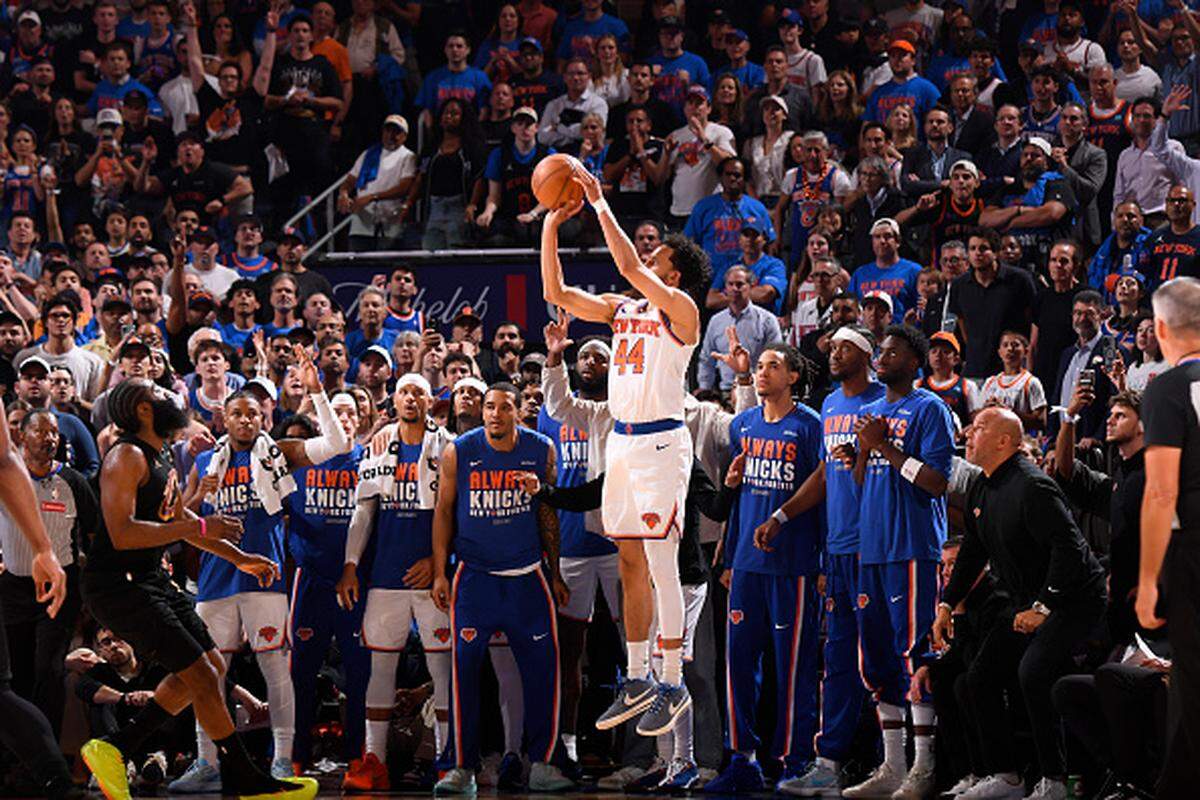
His breakthrough came when he scored 15 points in Game 3 of the Eastern Conference semifinals against Philadelphia, then followed with 12 more in Game 4. Suddenly, a player who had been fighting for rotation minutes was a real piece of the Knicks’ playoff run.
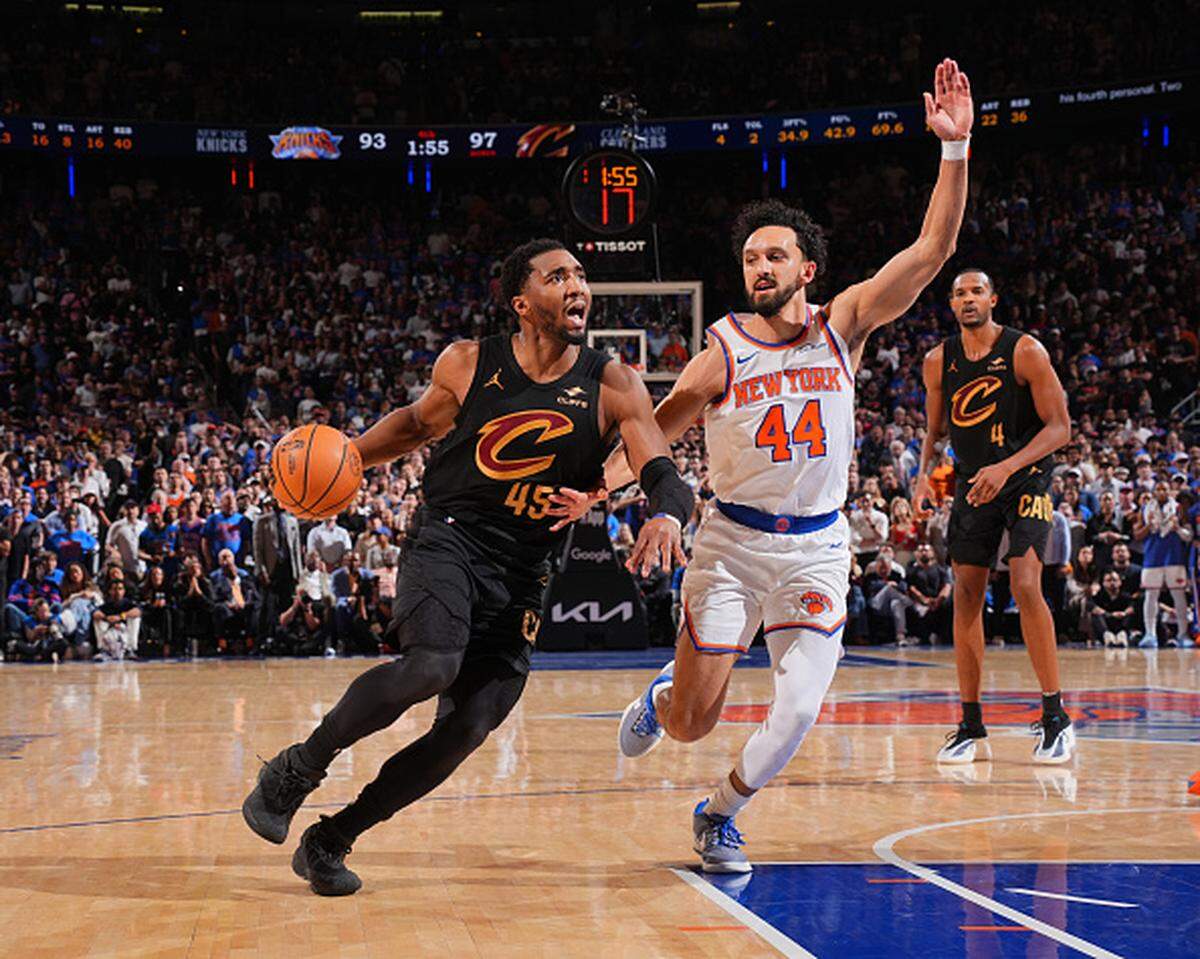
In the Eastern Conference Finals against Cleveland, his 3-point shooting became impossible to ignore. He made 11 of 12 shots from beyond the arc in the series, helping New York sweep the Cavaliers. But those close to the game knew that was only part of it. Shamet’s defense on Donovan Mitchell also helped swing the series, a sign that the player once viewed primarily as a shooter had become much more complete.
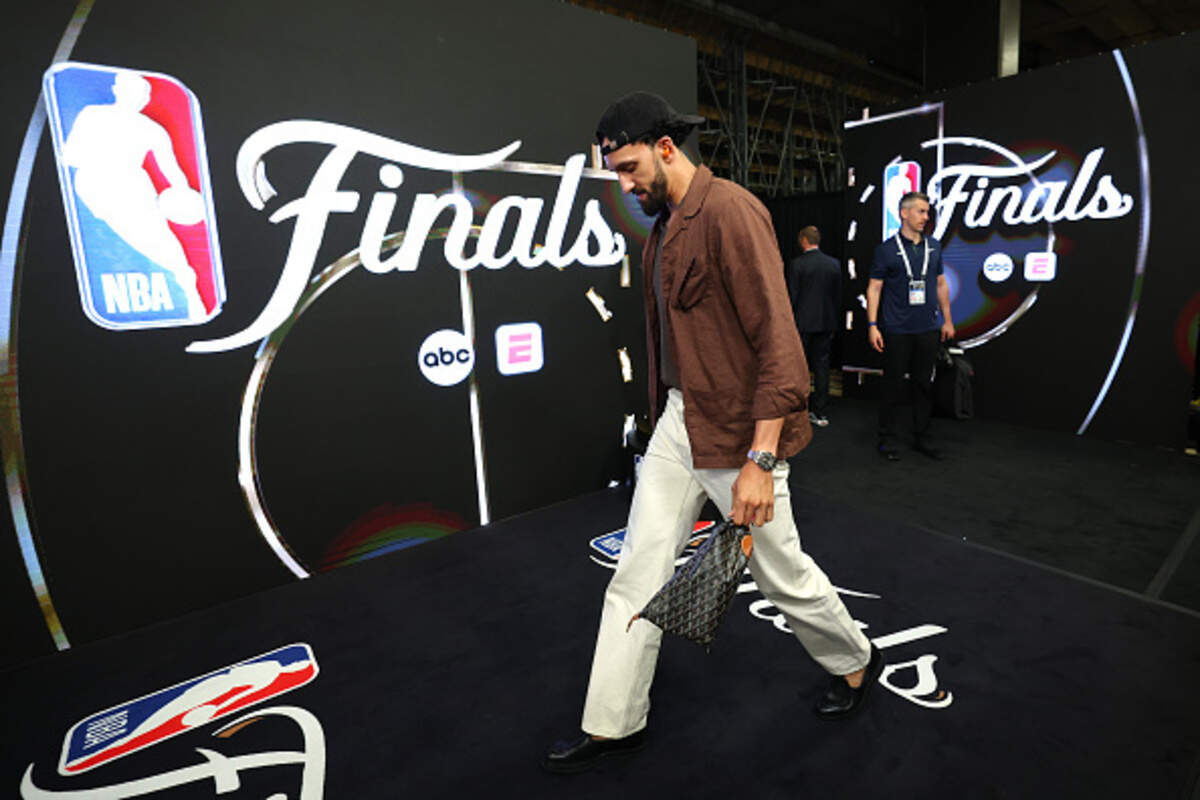
By the NBA Finals, Shamet was earning more and more minutes. He played more than 30 minutes in each of the first two games, scoring 13 points in both, as the Knicks won back-to-back games to open the series. He guarded explosive Spurs guards, took on difficult matchups and remained trusted even when the game entered the clutch moments.
That is why Brown saw more than a basketball story when talking about Shamet’s journey.
“That’s the best feeling in the world, to see somebody that deserves an opportunity and maybe gets passed over, passed over, passed over, and now on one of the biggest stages in his craft, he steps up and show the world, ‘No, I can do this,’” Brown said. “It makes you feel really, really good to see that, because he went and he earned it.
“You have a lot of role models in life, but you can take a guy like Landry Shamet’s story as a young player, or even someone in the work field, and understand that you might get passed over for that promotion six straight times, but if you stay with it, stay with it, believe, believe, grind, grind, now when that opportunity’s there, and the right situation is there for you, it’s time for you to shine, and that’s what he’s doing.
“It’s bigger than basketball, what he’s doing. It’s a great life lesson for others.”
Still the same Landry
The higher Shamet climbed, the more people from Kansas City and Wichita noticed something that mattered to them just as much as the jump shot.
He did not change.
Brett Barney, a former WSU walk-on and one of Shamet’s closest friends, still talks to him nearly every day. Most of the time, basketball barely comes up. Their conversations are about life, friendship, normal things that survive even when one person is playing for the Knicks in the NBA Finals.
“He’s a really good basketball player and that’s what everybody else sees,” Barney said. “But he’s also an incredible human and the best friend you could ask for.”
Barney has lived with Shamet twice since college, once in Kansas City and briefly in New York when Shamet played for the Nets. Last summer, the two took a horseback riding trip in Montana. Barney has seen the public version of Shamet, the NBA player with the clean shooting form and serious expression. He also knows the friend who would answer when it matters.
“It could be a couple hours before a game and I know if I need him, Landry would be there for me,” Barney said. “He’s the first one to take my call and talk me through things if I ever get down or need someone to talk to. That’s what the rest of the world should know about Landry: he’s always there for his people.”
Cohen learned the same thing earlier this season.
Now working in sports media relations at Tarleton State, Cohen has tried to see Shamet play in person once a year since their WSU days. When the Knicks came to Dallas, Cohen texted Shamet asking about a ticket.
Shamet did more than that.
He put Cohen on the pass list, brought him down after the game and introduced him to members of the Knicks. Then he gave Cohen a signed game-used jersey from that night.
It was not just any jersey. Shamet had started that game and hit a 3-pointer in the final minute that essentially won it.
“I would have completely understood if he wanted to keep that as a memento for his career,” Cohen said. “The fact that he gave it to me and wrote that message says everything about Landry. It definitely made my day and that’s a testament to the type of guy Landry is.”
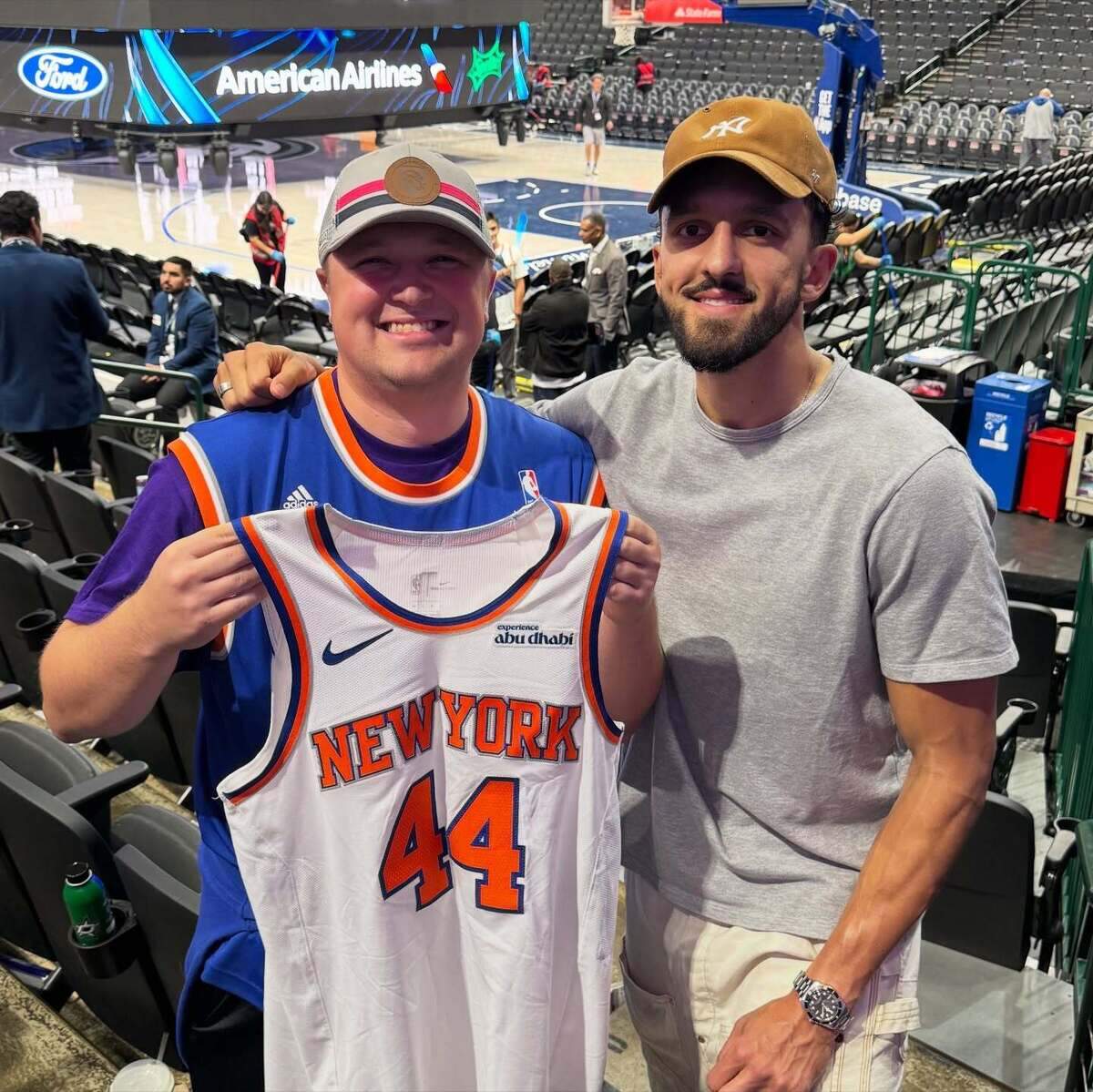
The message on the jersey ended with: “To Grant, the hardest worker I know, with the heart to match. All love my friend. ALWAYS!!”
Years earlier, Cohen had been the manager in an empty gym, trying to throw Shamet the perfect pass because VanVleet would. Now Shamet was an NBA champion, still remembering who had been there before the cameras.
“We all know how easy it would be for him to change up and forget where he came from,” Alston Jones said. “But his people in Kansas City still mean the world to him.”
That is part of why the celebration stretched far beyond New York.
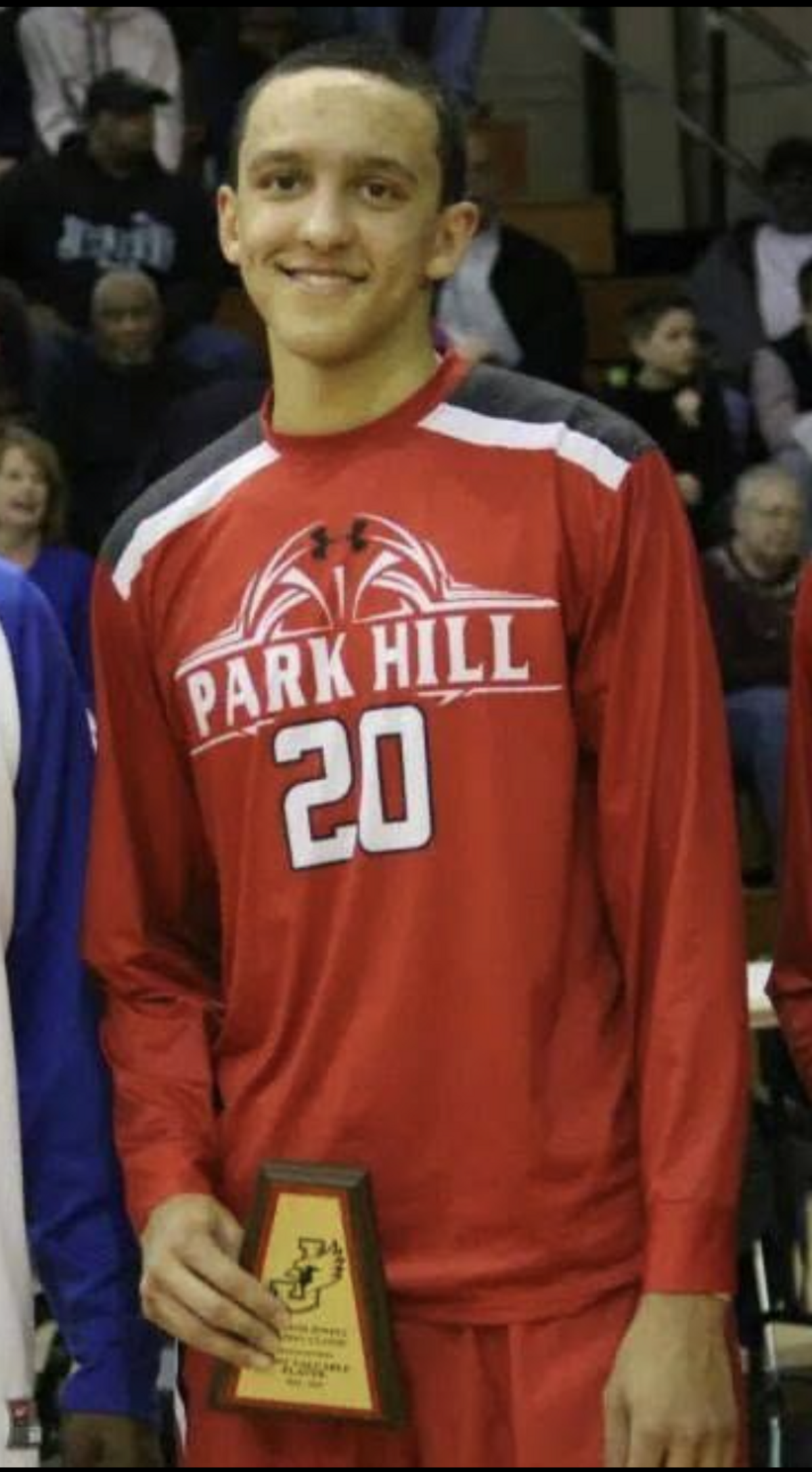
David Garrison, who coached Shamet at Park Hill, still chuckles at watching Shamet play more than a decade later. He’s seen the same shot, the same release, the same arc countless times.
“You see him do all these things for years,” Garrison said. “But now you’re seeing him do it in the NBA Finals against the best players in the world. You have to sit back and just say, ‘This is incredible.’ This is going to be something that all of us here in Kansas City are going to remember the rest of our lives.”
Steve Forbes, now the head coach at Wake Forest, helped recruit Shamet to Wichita State when he was a WSU assistant. Forbes left before he ever coached Shamet in college, but he still considers him one of his former players. He still has a picture of Shamet on the wall in his office.
“We always tell our guys here at Wake, ‘It’s one thing to get to the league, it’s another thing to stick,’” Forbes said. “Landry has done that. He’s bought into his role and he’s producing.”
Markis McDuffie, Shamet’s former WSU teammate and roommate, was more emotional.
McDuffie grew up in Paterson, New Jersey, rooting for the Knicks. Shamet was the first person he met on WSU’s campus. The two became close, and McDuffie saw immediately that Shamet was different in the way he carried himself.
So watching Shamet win a championship with McDuffie’s childhood team felt almost too perfect to process.
“I can’t even believe this is real right now,” McDuffie said.
He was bothered by the way teams had moved on from Shamet. Brooklyn, especially, stung McDuffie. He was so excited when Shamet was traded to the Nets, close to McDuffie’s hometown, that he bought a Nets jersey with Shamet’s name on it. After Shamet was traded, McDuffie said the jersey never came back out of the closet.
Now he sees what everyone else can see.
“I’m very disappointed in these NBA teams that treated him like he was a bag of chips,” McDuffie said. “Now he’s literally what every team wishes they could have right now in a 3-and-D guy. All those teams that passed up on him, how many of those teams are going to want to sign him after this?”
Then McDuffie’s voice rose through the phone.
“He goes from getting cut to being one of the best players on a championship team,” McDuffie said. “Are you kidding me? This is crazy. This is a movie.”
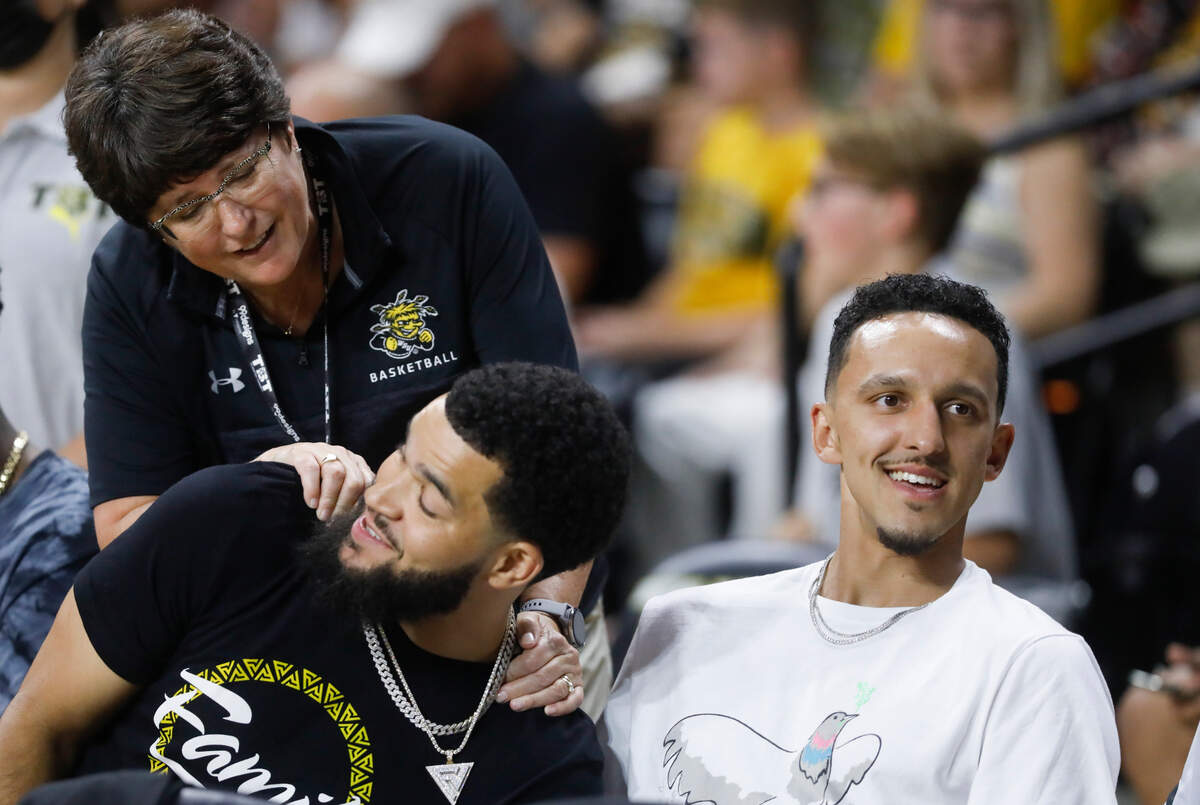
‘Just don’t give up’’
This was not the easiest version of an NBA dream.
Shamet was not the franchise star. He was not the Finals MVP. He was not the player with the offense built around him or the one holding the trophy first when the celebration began.
But that is what made his championship story feel so human.
There is a part of professional sports the public does not always see: the uncertainty that follows a player from city to city, the phone calls that change a life, the injuries that arrive at the worst possible time, the contracts that reveal how the league really views you, the nights when a player has to keep preparing even when he does not know if his name will be called.
Shamet had lived all of that.
He had been a first-round pick. He had been a trade piece. He had been a shooter on contenders. He had been a player waived by a lottery team. He had been a veteran trying to earn his way back on a training camp deal. He had been injured, displaced and forced to prove that he could still help a team win.
And when the Knicks finally needed him, he was ready.
A shooter became a defender. A player once known for spacing the floor became trusted to guard stars. A veteran-minimum contract became one of the best bargains in the league. A Kansas City kid who once played in reversible pennies became a champion in New York.
That was why his face looked the way it did when ABC cameras found him during Saturday night’s celebration. The moment was too big to process all at once.
It still seemed that way hours later.
At approximately 3 a.m. Sunday, in the first hours after becoming an NBA champion, Shamet sat down and tried to write an Instagram post that could capture everything. The past two years. The injuries. The uncertainty. The training camp deals. The moments when his future in the league looked fragile. The people who had believed in him before the rest of the basketball world saw this version of him.
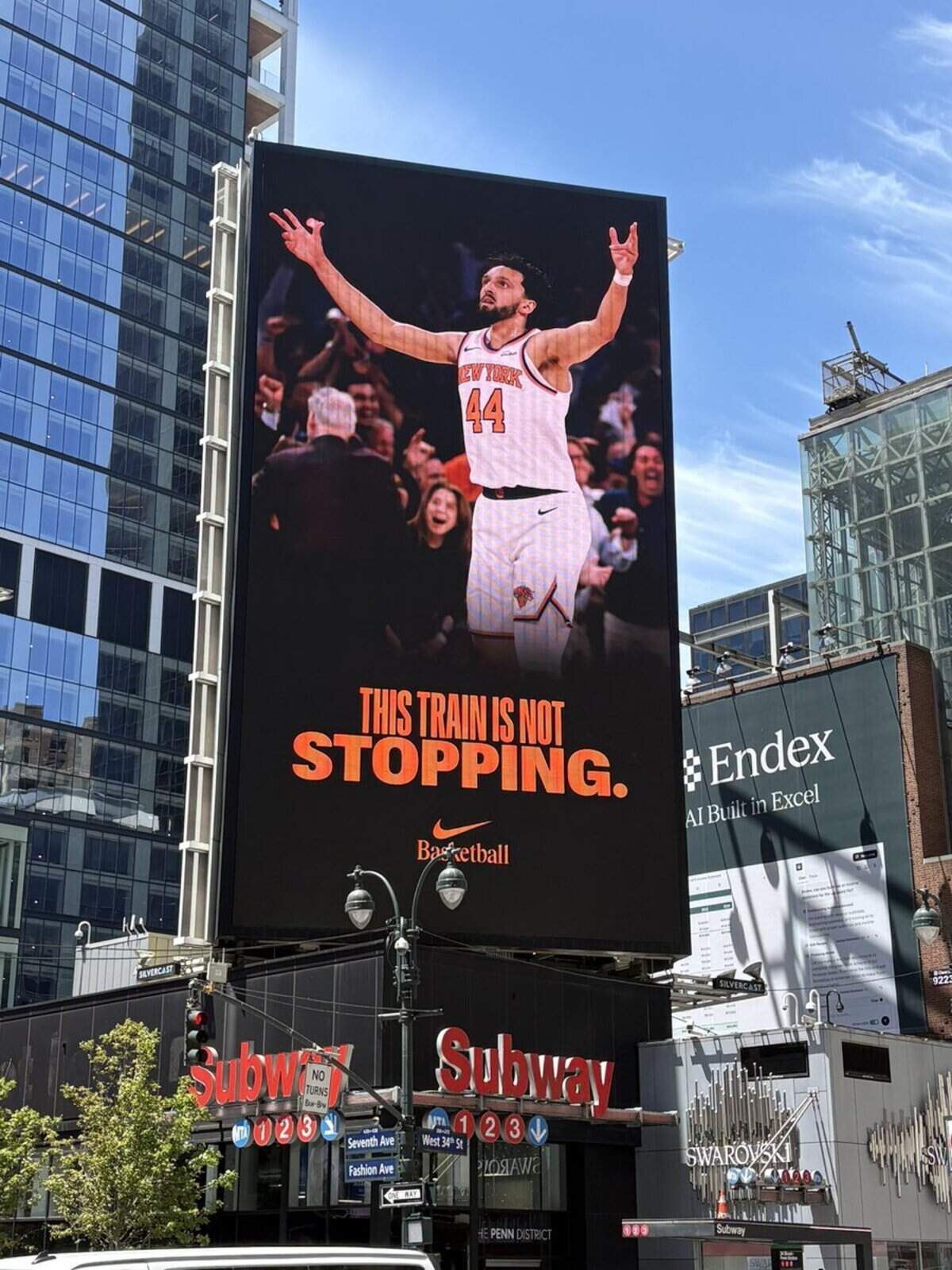
All of it came rushing back.
Maybe there was no perfect way to explain what it feels like to stand on the edge of a career, keep fighting anyway and end up with a championship ring.
So Shamet did not try to over-explain it.
He ended with the message that had become the story itself.
“For anyone that needs to hear it,” Shamet wrote. “Just don’t give up.”
This story was originally published June 14, 2026 at 8:01 AM with the headline "‘Just don’t give up’: Landry Shamet’s journey from KC and WSU to NBA champion."
.jpg)