
What Your Home’s Age Reveals About the HVAC Problems Coming Your Way
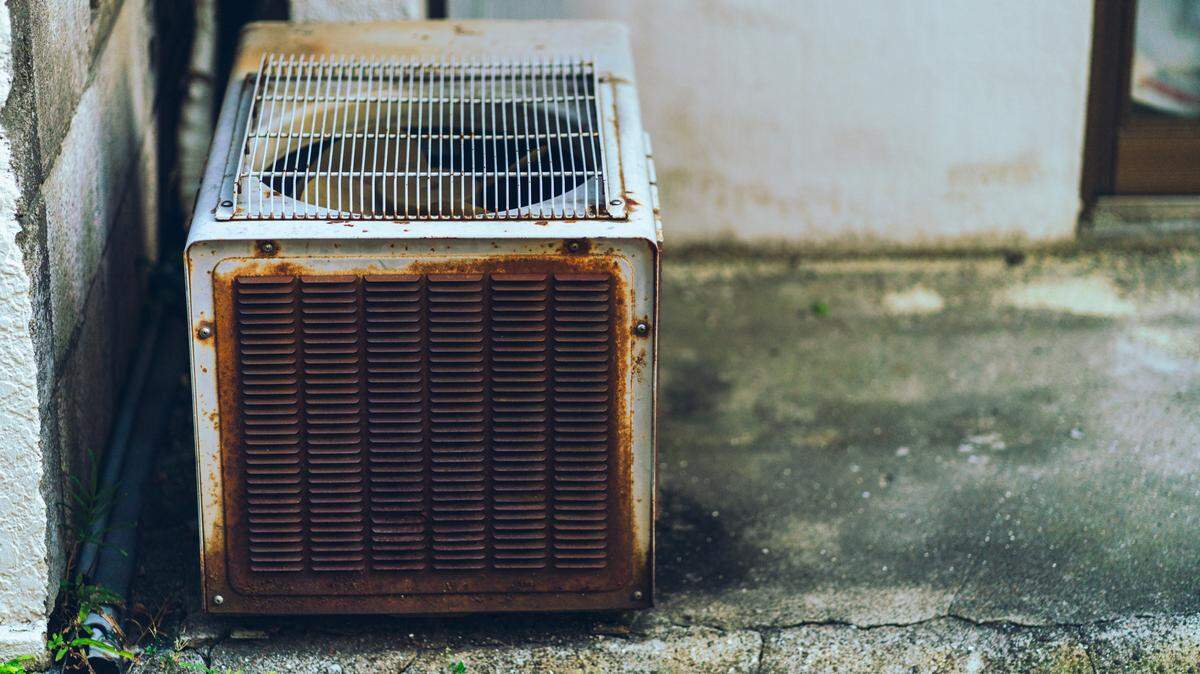
The age of your home directly impacts the performance and efficiency of your HVAC system. Older homes are more likely to have outdated electrical systems, aging ductwork, and poor insulation, which can make it harder for your HVAC to keep your home comfortable.
The median age of owner-occupied homes is 42 years old, according to the National Association of Home Builders. While an older home may have charm and unique features, it may be hiding serious heating and cooling issues.
Understanding how your home’s age and construction affects your HVAC system can help you be proactive and plan ahead.
Key Takeaways
- Older homes were not built with modern HVAC systems in mind, so they may have outdated electrical systems or insulation.
- Before replacing an HVAC unit, address the insulation and ductwork to ensure the system can work efficiently.
- Recognizing early signs of system failures can help prevent you from having to spend extra cash on costly emergency repairs.
- Newer homes aren’t immune: Tighter construction can trap indoor pollutants if HVAC sizing or maintenance isn’t right.
What Your Home’s Age Says About Your HVAC’s Performance
When your home was built dictates what materials were used, the layout of the rooms, and the structural soundness of the home. For example, today’s homes often have open floor plans and concrete slab foundations, while older properties typically had smaller rooms and crawlspaces. These factors can affect how air circulates in your home.
How do changing building standards impact HVAC systems?
Building codes and construction standards have changed significantly over the past 40 years. Homes built in the 1960s or 1970s have very different energy efficiency standards than homes today. Older homes typically allowed more air to enter the home, which makes it harder for HVACs to modulate the temperature inside.
How do rising temperatures affect older homes?
Temperatures are rising, and the summer months bring longer-lasting heat waves than in past years. Higher temperatures and humidity levels make HVAC systems work harder, so older homes and HVAC systems may not keep up.
Do home renovations affect HVAC systems?
If you bought an older home, it may have undergone multiple renovations. You may have finished the basement, knocked down walls to open up the floor plan, or converted a closet into a bathroom. While these changes may improve your enjoyment of the home, they also affect the HVAC’s ability to cool or heat the home.
After renovations, the HVAC system may have to work harder to maintain temperatures, and if you made changes that increased the square footage, it may struggle to push air evenly through the new space.
Common HVAC Problems in Older Homes
Common problems in older homes include:
- Retrofitted systems: Homes built before 1970 rarely included central air conditioning as a standard feature. Only about half of U.S. households had any form of AC by 1970, and most of that was window units. When central air was added later, it was typically retrofitted into existing spaces, so the airflow may not be efficient.
- Aging ductwork: Over time, ductwork can deteriorate. Ducts can leak or crack, causing cool air to escape.
- Poor insulation: Older homes often lack the high-quality insulation used in modern homes, so your heating and cooling systems have to work harder.
- Outdated electrical systems: Modern systems require a significant amount of electricity. Older homes with original or outdated wiring and electrical panels may struggle to handle the heavier electrical load.
Signs You May Need to Update Your HVAC System
Replacing an HVAC system is a big investment, but it’s not something you can keep putting off. Here are a few signs that it’s time to replace your heating and cooling systems:
- Rising energy bills: If your energy costs are steadily rising despite your usage staying at consistent levels, your system is likely not as efficient as it used to be.
- Uneven temperatures: As your system ages, it may not work as well as it did, and you may have hot or cold spots throughout the home.
- Weak airflow: If you barely feel air flowing out of vents, you may have failing motors or leaks.
- Persistent indoor humidity: If your home feels sticky or muggy during the summer months, your air conditioner may be failing to handle the moisture in the air.
- Strange noises or smells: Grinding noises or musty smells indicate that there could be a system failure.
If you notice those issues, contact an HVAC professional to evaluate your system.
FAQs
How long do HVAC systems last?
In general, HVAC systems last between 10 and 20 years. You can increase the chances of your HVAC system lasting longer by sticking to a regular maintenance schedule.
Do older homes always have HVAC issues?
No, older homes don’t always have HVAC issues. If the home has updated insulation, sealed ductwork, and modernized electrical panels, an older home can be very efficient.
When is it worth replacing an HVAC system?
If your system is 15 years old or older, requires expensive repairs that are more than half the cost of a new unit, or it no longer can keep your home comfortable, it may be time to replace your HVAC system.
Can newer homes have HVAC issues?
Yes, even brand-new homes can experience HVAC issues. “People assume that newer houses with tighter construction automatically have better air quality, but sometimes they’re actually worse because the house is so tight that those pollutants don’t escape,” said HVAC expert Joey
Dooley, general manager at ARS in Texas with 23 years of experience in the industry. “They stay inside, and the system is just recirculating them.”
A newer home can have HVAC issues if the equipment is the incorrect size for the square footage, if the ductwork wasn’t properly installed, or if the homeowner doesn’t keep up with maintenance.