
One Company’s Answer to the HVAC Technician Shortage: Train Them From Scratch
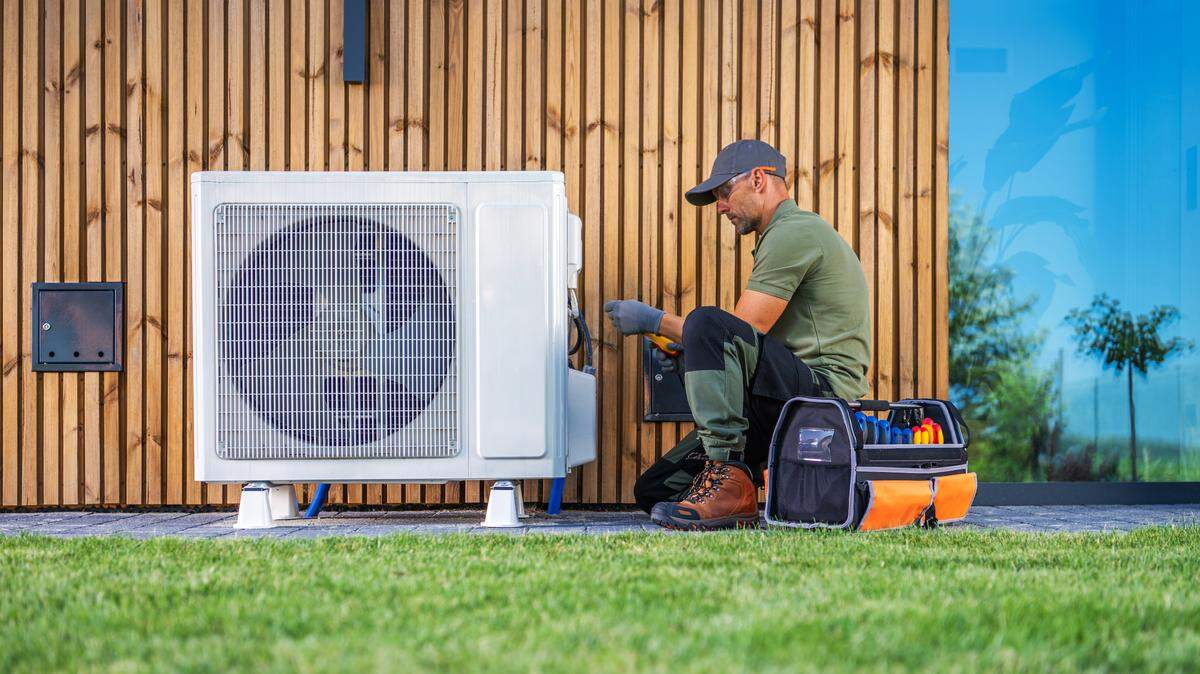
If your air conditioning system stops working this summer, there’s a good chance you’ll have to wait some time for help. There is a nationwide shortage of HVAC technicians, and HVAC companies are struggling to meet the demand.
Rising temperatures strain existing systems, increasing the need for maintenance and service, and thousands of existing HVAC technicians are nearing retirement age. Combined, these factors lead to a major workforce crunch.
As a result, the job outlook for HVAC technicians is expected to grow by 8% by 2034, a much faster-than-average rate, according to the U.S. Bureau of Labor Statistics.
To address the shortage, one company has come up with a creative solution. American Residential Services (ARS/Rescue Rooter) is offering paid, in-house training to attract and train new technicians.
Key Takeaways
- The median pay for HVAC technicians was $59,810 in 2024, about 20% higher than the national median wage for all occupations.
- The HVAC industry will add about 40,000 open positions each year.
- Paid training programs are available to those with little to no experience.
Why the HVAC Industry Is Facing a Shortage of Workers
The HVAC industry has been warning the public about skilled labor shortages for some time, but the problem has worsened as demand for HVAC systems and repair continue to increase for the following reasons:
- Higher demand: Homeowners and businesses need HVAC systems more than ever before due to, in part, rising temperatures. Plus, rapid new home construction and commercial development also increase the need for skilled technicians who can install and repair systems.
- More complex systems: Modern HVAC systems have more technological features than past systems, such as automated smart thermostats, computerized diagnostics, and energy-efficient components. To maintain and repair these systems, technicians need specialized training.
- Many technicians are nearing retirement: Many experienced technicians are nearing retirement age, and fewer younger workers are entering the field to replace them.
The shortage can lead to issues for customers. During peak months, such as heat waves and winter storms, some homeowners may have to wait days for service appointments until a technician can be available. Or, they may end up with inadequate repairs that compromise their systems.
In a market where service is slow and repair quality varies, a contractor’s written guarantees become the homeowner’s primary safeguard. “If you don’t have clearly written guarantees that back up the workmanship, the system, the comfort or any problems that you may have under warranty, then all of your investment is at risk,” said Steve Wade, senior director of operations and procurement at ARS/Rescue Rooter with over 30 years of experience in the HVAC industry.
Addressing the HVAC Labor Shortage: One Company’s Solution
With the HVAC technician shortage, some companies have come up with solutions. ARS/Rescue Rooter is addressing the issue with its innovative, paid, in-house, hands-on training program for service technicians. Rather than requiring years of experience or training, the company looks for motivated candidates with a strong willingness to learn.
The program offers paid training and teaches the necessary skills from scratch. Participants learn how to troubleshoot systems, perform maintenance, and safely handle HVAC equipment. The company also helps trainees earn important industry certifications, such as:
- The U.S. Environmental Protection Agency’s (EPA) Section 608 Technician Certification under the Clean Air Act (required for handling refrigerants)
- The Occupational Safety and Health Administration’s (OSHA) OSHA-10 card (workplace safety program.)
Few people can afford to change careers because they can’t go without an income. The program addresses that barrier by allowing participants to learn a new skill while earning a paycheck. Through the program, participants can take advantage of long-term HVAC career growth.
What This Trend Means for the Industry
The HVAC shortage is unlikely to end anytime soon, which means other companies may follow ARS’ lead to train the next generation of HVAC techs. For workers, that could mean there are more career opportunities, particularly for those looking to switch careers.
For consumers, these programs can lead to easier access to trained technicians over time, so they can get help faster.
FAQs
Can I become an HVAC technician without experience?
Yes. Many HVAC employers — including ARS/Rescue Rooter — hire candidates with no prior experience and provide paid, in-house training. Typical requirements are a high school diploma or GED, a valid driver’s license, and a willingness to learn. Trainees earn a paycheck while learning to install, maintain, and repair HVAC systems and while completing required certifications like the EPA Section 608 and OSHA-10 card.
What is the entry-level salary for an HVAC technician?
According to the U.S. Bureau of Labor Statistics, the lowest 10% of HVAC technicians earned less than $39,130 in May 2024, which is roughly the wage range new technicians can expect when starting out. Pay typically rises quickly as technicians gain experience and earn additional certifications, with the median wage reaching $59,810 and the top 10% earning more than $91,020.
Is HVAC a good career in 2026?
Yes, HVAC is a good career path. According to the U.S. Bureau of Labor Statistics, this career has faster-than-average growth and higher-than-average wages. Paid training programs make it possible to learn how to service HVAC systems in six to 18 months.
How long does it take to become an HVAC technician?
Depending on the skilled trade program, it can take anywhere from six to 18 months to become an HVAC technician. How long it takes depends on the program, how much time you can dedicate to it, and the time it takes for you to earn the required certifications.
What certifications do HVAC technicians need?
Typically, HVAC technicians need to earn their OSHA-10 card and the EPA Section 608 certification. Some states have additional certification requirements, so it can vary by state.
Do HVAC technicians need a college degree?
No, HVAC technicians don’t need college degrees. Usually, you just need a high school diploma or GED, and complete technical training by participating in a training apprenticeship or by completing a certificate program through a trade school or community college.