
Essential Steps for Homeowners Impacted by Severe Weather
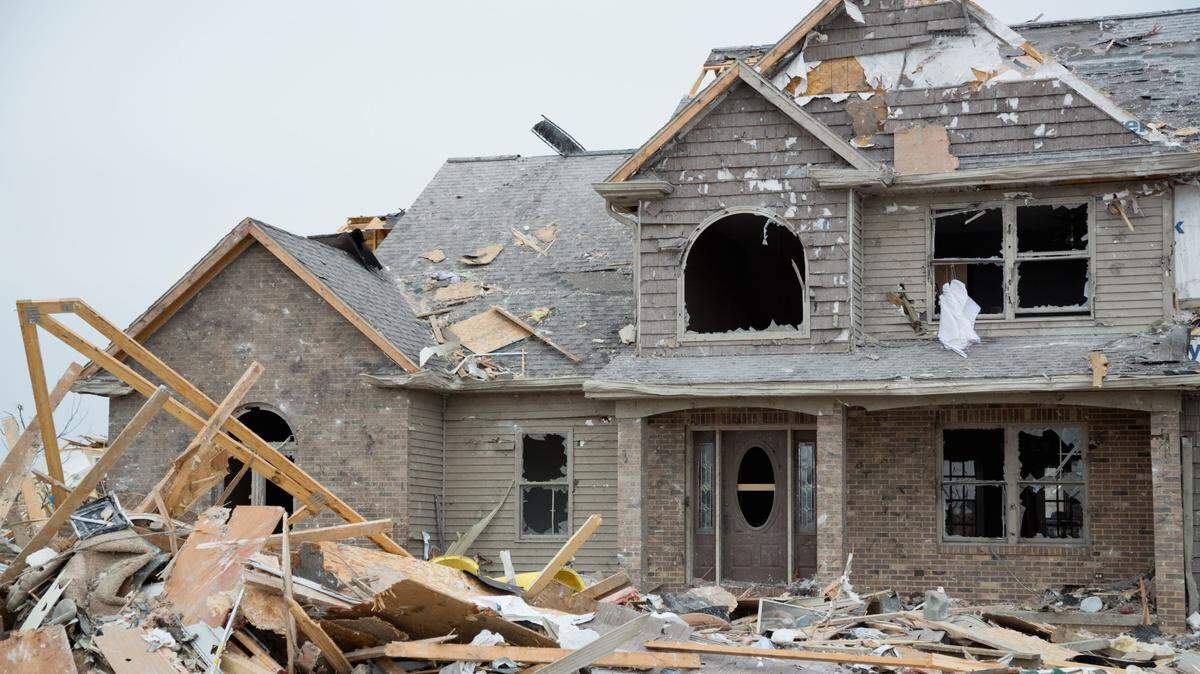
May is historically one of the most active severe weather months in our region. Wind, hail and tornadoes can be stressful, especially for homeowners who aren’t sure what steps to take or who to call after damage.
If you have a mortgage, your servicer will play a role in the recovery process. Below are the steps Arvest mortgage lenders recommend following after a storm.
Contact the insurance agency
If your house has sufficient damage to justify an insurance claim, the first thing you need to do is contact your insurance agent to initiate the claim process. They will help schedule an adjuster to inspect the condition of the property and the extent of the damage. They will also estimate the cost of repairs and confirm what is covered by your homeowner’s policy. If you have any concerns about making your mortgage payment because of weather damage to your property, contact your mortgage company for assistance.
Get your insurance check endorsed
When your claim is approved, the insurance company will issue a check to repair or replace the damage. Unless you own your home outright, the check may be made out to both the borrower and the mortgage company. Contact your mortgage company to discuss the required documentation and options for endorsing your claim check. For claims under a certain dollar amount, local mortgage companies like Arvest Bank may automatically endorse insurance checks, so you have immediate access to the funds.
For claims over a certain dollar amount, there may be other procedures needed to process the claim check. Your mortgage company can provide guidance on these options. Having a local bank service your loan can help speed up the process. At Arvest, we service more than 95% of our mortgage loans, so our customers can walk into their nearest branch and talk with an associate about a claim check.

Regularly review your insurance policy
Make sure your homeowner’s insurance policy is accessible and that you know who to call to answer questions in an emergency. Be sure your home and property are adequately and consistently protected. Review your policy regularly to understand what is and is not covered, the dates of coverage, expiration dates, deductible amounts and any prevention or safety measures required to maintain coverage.
Keep records and documentation
One of the best ways to prepare for the potential effects of a storm is to inventory what is in your home, including important paperwork. Keep detailed digital photo and video records of your home and its contents, along with copies of insurance policies and mortgage loan documents. Having critical items stored digitally in the cloud will allow you to access them online from almost anywhere.
Good documentation and record-keeping can save time in the claims process as well. Document any prevention and safety measures you have taken to protect your property from weather damage, such as insulating water pipes, and when disaster strikes, document damage thoroughly with photos and videos.
Predicting the weather may be nearly impossible, but being prepared for weather emergencies can help you minimize disruption. When you’re ready for your next home purchase or refinance, consider the benefits of working with a local partner. Visit Arvest Bank today to connect with a local mortgage lender.

Jason Peters, NMLS # 402102, is a senior vice president and mortgage loan manager for Arvest Bank - Greater Kansas City and can be reached at japeters@arvest.com.
With more than $27 billion in assets, Arvest is a full-service bank that delivers financial solutions to individuals and businesses of all sizes. Since entering the Kansas City market in 2009, Arvest has grown to a top 20 bank and the sixth largest mortgage lender in the metro. The bank has 20 locations in the metro area. Arvest is an Equal Housing Lender and Member FDIC.