
Is Your Savings Plan Ready for Life’s Next Surprise?

Having emergency savings is key to long-term financial health. It serves as a safety net for unexpected expenses, such as medical bills or car repairs, which can lead to high-interest debt. However, nearly a quarter of Americans have no emergency savings, according to Bankrate’s 2026 Annual Emergency Savings report. Of those with an emergency savings account, 37% reported using it in the past 12 months.
Even though most people understand how important an emergency fund is, things like rising costs and the stress of unexpected bills can make saving difficult. For example, if a $1,200 car repair uses up six months of careful saving, it can be discouraging and make it tough to start saving again.
Whether you’re starting from scratch or building your current savings, here are a few tips to help you along the way.
Review Your Budget
It might feel tedious, but knowing how much you earn and spend each month is the first step to figuring out how much you can save. This also helps you spot spending habits you can change to free up extra cash. Whether you prefer a spreadsheet, pen and paper or an app, having a budget you review monthly is key.
Identify Your Savings Goal
A common guideline for an emergency savings fund is to save enough to cover three to six months of living expenses, but your exact goal should fit your individual situation. Do you have a mortgage? Are you making car payments? Other factors to consider are your job security, health and income. Once you know how much you need to save each month, treat it like any other expense in your budget.
Automate Your Savings
Once you have a savings goal, start with small, consistent steps. Setting up automatic savings from your paycheck is an easy way to make sure you save first and avoid the temptation to spend it. If saving three to six months of expenses feels out of reach, start with a smaller goal, like building a $1,000 emergency fund. Reaching that first milestone can give you peace of mind and motivate you to keep going.
Understand Your Savings Options

There are several ways to save money, and each has its own benefits. A traditional savings account usually has a lower minimum balance requirement than a money market account; however, a money market account typically pays a higher annual percentage yield (APY) than a traditional savings account. Once you’ve built up your savings, you might want to put some into a short-term certificate of deposit, like a 6- or 12-month CD, which usually offers better rates. Just remember, there may be penalties if you need to take your money out early.
Balance Debt Load
According to the Bankrate survey, three in 10 Americans reported having more credit card debt than emergency savings. This can make it hard to decide whether to save or pay off debt first. It’s important to balance the monthly interest rate charges on your debt with your savings goal. For example, if you have a $5,000 credit card balance with a 27% interest rate, you’re paying about $112 a month in interest. That’s over $100 a month that could go toward your savings goal, which could help you avoid higher-interest debt in the future. Consider putting part of your monthly savings toward debt until it’s more manageable. When you’ve paid down the debt, you can roll that money into your savings account. It’s also a good idea to cut back on non-essential spending can help free up money to pay off debt faster.
Watch for Lifestyle Creep
When you get a raise or bonus, it’s tempting to spend it on things like a new car, the latest tech or a new vacation. Try putting half of any extra income toward savings or paying down debt, and use the other half on yourself. You can adjust this split based on your goals, but following a 50-50 rule helps keep you on track.
Review Your Savings Plan Periodically
Your financial needs change over time, so your savings plan should change, too. By checking your plan regularly, you can adjust for life events like buying a house or changing jobs.
To find the right tools for your financial goals, explore Arvest Bank’s savings account options and start building your security today.
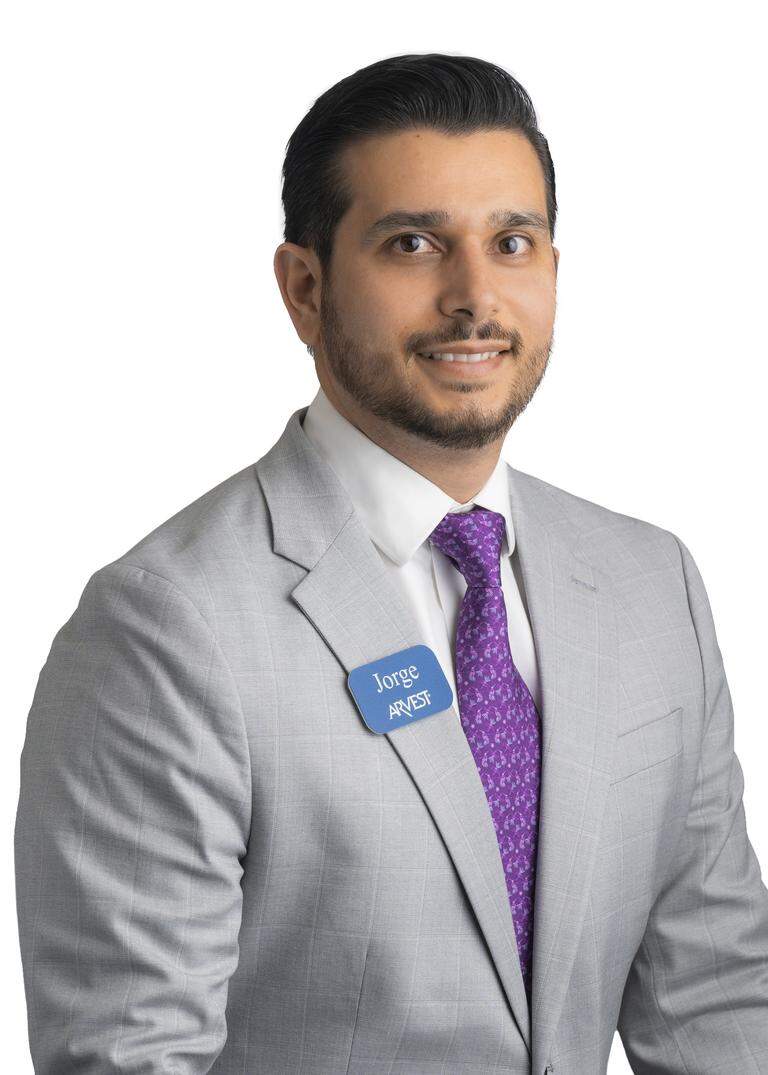
Jorge Soberón-Hernández (NMLS# 2331634) is a senior vice president and Community Development Market Manager for Arvest Bank - Greater Kansas City. He can be reached at jsoberonhernandez@arvest.com.
With more than $27 billion in assets, Arvest is a full-service bank that delivers financial solutions to individuals and businesses of all sizes. Since entering the Kansas City market in 2009, Arvest has grown into a top-20 bank and the sixth-largest mortgage lender in the metro. The bank has 20 locations in the metro area. Arvest is an Equal Housing Lender and Member FDIC. Minimum opening deposit required.