
Aaron Deacon: Kansas City has a big role to play in the debate over Internet access and net neutrality
The Internet may be open, but it certainly isn’t free. Amid all the lessons learned in Kansas City’s tech boom of the last few years, this one may be the most important. All the tubes and cables that make up the Internet cost a lot of money, and we’re still figuring out the best way to pay for it. That challenge is made more difficult because how we use the Internet is changing all the time.
This dilemma is essentially what’s at stake when people talk about net neutrality, often described as a “free and open Internet” that doesn’t have “fast lanes,” where one provider’s traffic is prioritized over another’s. The truth is, some traffic should be prioritized. Imagine real-time remote surgery or live video transmitted from a school during a disaster. Is it the seller (say Netflix) who pays to make sure they can deliver what they promise, or the buyer who counts on both the seller and her ISP to make sure things work? Either way, the whole system has to bear the costs.
The beautiful thing about fiber networks is that they deliver abundant capacity, and they support technology for much smarter networks. The promise of gigabit Internet is not simply the “killer app” that uses all that speed—it’s providing so much bandwidth that the questions about how to allocate it are much easier to answer.
But abundant bandwidth is not the model our Internet has been built on. Cable companies don’t like to hear it, but the Internet is increasingly like a utility in how it functions in our everyday lives. And the way we finance and pay for utilities is different. Imagine figuring out how many hours of electricity you would need for a month and then balancing usage hoping you didn’t go over the limit. Metered payment may not be the future of Internet delivery, but we’re now searching for the business and regulatory models that will pave the way for the future. And we need our Internet providers to be honest partners in evaluating a changing landscape.
With at least four gigabit fiber providers in the metro area, and as the first market for Google Fiber, Kansas City is looked to as a leader in that area. When people look at you as a leader, you had better lead. We have two critical opportunities in front of us.
FCC Chairman Tom Wheeler has recommended a net neutrality framework that employs a “light touch.” No one knows quite what that means, probably not even Wheeler.
The desire for robust competition and broad access to the Internet is shared by both political parties; and while specific tactics may be driven by ideology on a federal or state level, it’s our job at the city level to take an honest assessment of how these policies affect our businesses and citizens and fight for the results we want.
Kansas City civic and technology leaders can and should continue to play a strong role in how national policy develops on the so-called middle-mile infrastructure.
But we also can lead on the last mile. Every household in Kansas City should have access to a high-speed fiber Internet connection. We’ve made great progress on this front, but there is much work to be done.
Ubiquitous access to fiber connectivity — like access to electricity or access to water — isn’t the job of one company. Google is not — and should not be — a sole solution.
We have a unique opportunity in Kansas City to make bandwidth flow like water and to deliver a world-class platform for future generations. It requires support and commitment across the community. And it’s not free.
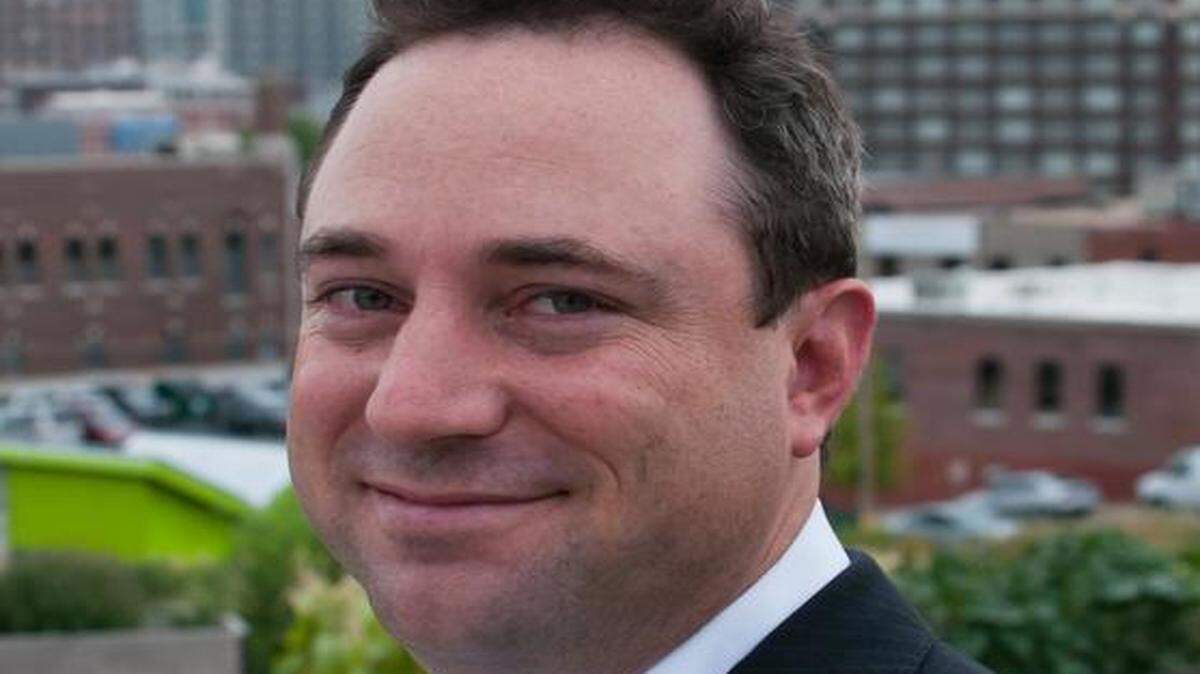
Aaron Deacon is managing director of KC Digital Drive, a local nonprofit seeking tech solutions for a better city. He lives in Mission.
This story was originally published February 10, 2015 at 1:18 PM.