
Kansas City World Cup ticketing is a mess. Here’s how not to get scammed | Opinion
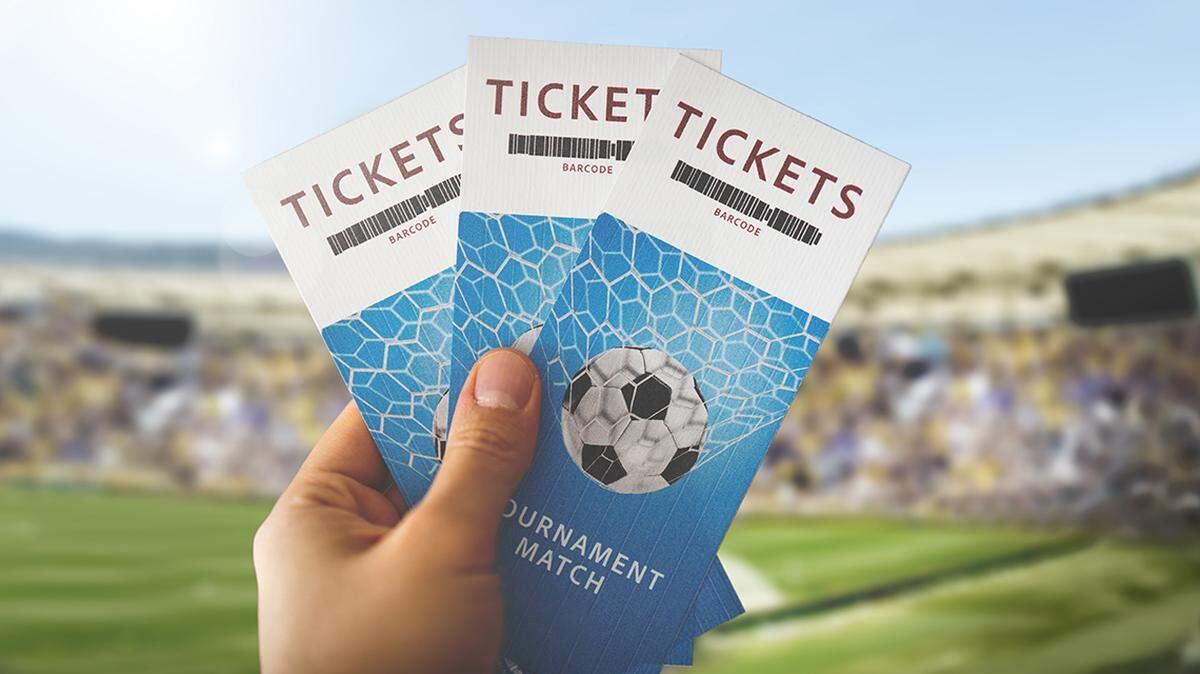
The 2026 FIFA World Cup promises to make for an exciting summer in Kansas City, but as fans look to secure their tickets to Arrowhead Stadium, oversight of FIFA’s main purchasing platform has turned the process into a slog. Between confusing lotteries and release schedules, sloppy oversight of payment and ticket delivery, and centralized control over primary and secondary distribution, many consumers have grown frustrated with the purchase process.
According to an article published by The Athletic, fans participating in FIFA’s fan-to-fan resale process have waited more than 130 days for their refunds to be processed and tickets to be delivered. Other fans have been shut out from seeing their native countries entirely due to the massive delays, telling The Athletic that FIFA’s control over the resale process is “really souring this for the common fan.”
The common question from just about everyone is why this process has become such a bottleneck for the fans. The reason is simple economics. FIFA has taken total control over both primary sales and resale distribution, and by doing so, prices are higher and the service aspect is lost. That means holding back ticket inventory across erratic release schedules and subjecting fans to grueling eight-hour online queues. This manipulation of the market and lack of transparency directly result in higher costs and needless hassles for the soccer fan who wants to purchase tickets.
But there’s good news: Professional resellers offer fans more options, better customer service and less risk that fans’ transactions will not be processed. With more tickets hitting the secondary market, ticketing professionals have improved the purchasing process for World Cup fans.
Secondary market doing its job
Recent ticket price reporting shows that ticket resale prices are declining across the majority of World Cup venues, on FIFA’s native resale platform and on other major resale markets. In Kansas City, the six World Cup games’ ticket prices have fallen by more than $100, with the July 11 quarterfinal match dropping by $288.
These price reductions highlight an important point: Increased and diversified access to event tickets creates a more fan-friendly environment. More tickets are in circulation, and more entities are able to meet consumers where they are to get them in the doors to cheer on their countries and their favorite players. Put plainly, with expanded resale, the market is doing its job and finding its balance. It is the presence of an open secondary market that creates the competition necessary to drive prices down, offering a direct alternative to the high prices initially set by the promoter.
Thanks to a free and fair secondary market, fans can now purchase World Cup matches on their own timeline, 24 hours a day, with no waiting in virtual lines, an abundance of price point options, fast delivery and ironclad guarantees. This open framework provides a massive value add to the FIFA primary ticketing option, where availability remains notoriously restrictive and limited.
Avoiding fraud in resales
The National Association of Ticketing Professionals has been an advocate for the rights of ticket buyers and its member businesses for 32 years by establishing an industry-wide standard of conduct. With members in all 50 states, we pioneered the 200% money-back guarantee, a gold standard that protected millions of fans long before primary platforms adopted similar safeguards. Along the way, we’ve amassed a list of do’s and don’ts of ticket resale for fans to follow to ensure they are able to enjoy the big games.
Do make sure you purchase from a verified ticket reseller or look for the NATP certified seal of approval on marketplaces backed by our members, or check if your ticketing professional is a member directly at VerifiedTicketSource.com
Don’t buy on the street corner or outside an event.
Do review and clarify the terms of the transaction. For example, ask for the section and row, and check the seating chart to help ensure your ticket is verified and official.
Don’t buy tickets on unregulated websites or via social media. Fans who purchase tickets on unregulated sites and social media are twice as likely to become victims of ticket fraud as those who purchase on any other form of marketplace.
Do research ticket prices and market values, and remain patient. For big sporting events, ticket prices frequently fluctuate and can drop the week of the game. Keep checking for the tickets you want until the day of the event, which can often be the best way to secure a lower ticket price. Understanding market values for events helps prevent unregulated secondary market vendors from unnecessarily raising prices for your tickets. Remember, you do not have to give up if you miss the initial on-sale date. The open secondary market gives you the flexibility to secure your seats right up until the day of the match.
Don’t take the “too-good-to-be-true” deal. More often than not, it really is too good to be true.
Do report dishonest sellers directly to the NATP consumer protection desk at natp.org. While our authority to enforce penalties applies strictly to our own network — reaffirming the vital importance of buying from a verified NATP member — we remain committed to protecting fans and championing the consumer experience. This includes holding dishonest sellers accountable.
At NATP, our members value their role in looking out for fans and acting as stewards of their experience at the games. Whether fans are rolling up to the stadium waving their nation’s flag or anticipating historic firsts, everyone deserves a seat at the biggest games.
For more resources on safe and secure ticketing, visit natp.org
Gary Adler is executive director and counsel for the 501(c)(6) nonprofit National Association of Ticketing Professionals.