
AI will not fix health care unless it helps prevent disease before it starts | Opinion
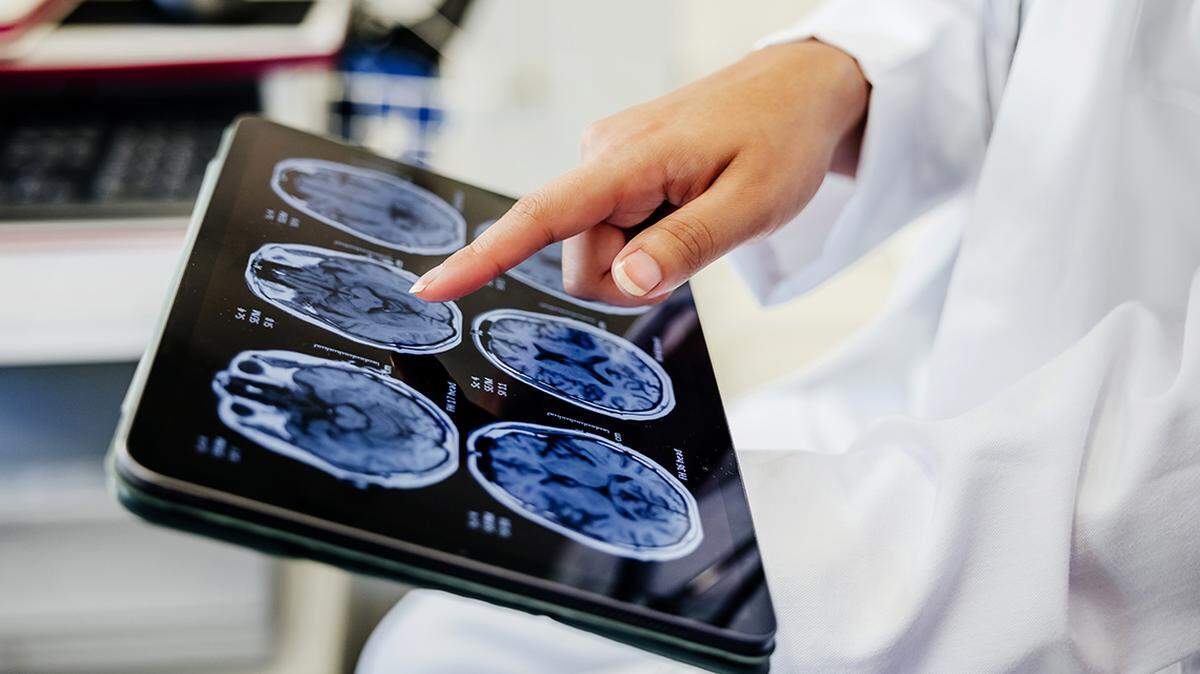
In Kansas City and in communities across Kansas and Missouri, many of the conditions that fill clinics, hospitals, and family conversations — heart disease, cancer, diabetes, stroke, kidney disease — do not appear suddenly. A person does not suddenly become diabetic on the day the diagnosis appears in the medical record. The warning signs often accumulate quietly — in lab trends, blood pressure readings, missed visits, family history, medications and social risk. The United States health system is rarely built to see and interpret those signals. We have built the world’s most expensive health system — a $5.3 trillion enterprise, or $15,474 per person — and organized it around treating people after they become sick.
This is not simply a spending problem. It is a design problem.
Nearly 200 million U.S. adults live with at least one chronic condition. In Kansas, 13.4% of people have three or more chronic diseases, and the rate in Missouri is 16.4%. People with chronic and mental health conditions account for about 90% of annual U.S. health care expenditures. We spend more per person on health care than any other wealthy nation, yet Americans die younger and experience more preventable illness than people in peer countries that spend far less.
As a nurse practitioner and health policy scholar, I have seen this failure from the policy and practice sides: in exam rooms where clinicians are expected to prevent disease in 15-minute visits, and in policy conversations where prevention is praised but rarely resourced. The problem is not that clinicians do not care. It is that the system is not designed to help them identify risk soon enough to act.
American health care is remarkably capable when illness is acute, visible, and urgent. If you break a bone, need surgery, or arrive in an emergency department with chest pain, the system can mobilize quickly. But chronic disease develops slowly, silently, and unevenly, often over years.
By the time many patients receive a diagnosis of diabetes, cardiovascular disease, kidney disease or cancer, the warning signs have often been present for months or years. Those signals may be scattered across lab results, family history, medications, imaging, clinical notes, claims data, pharmacy records, wearable devices and patterns of health behavior.
Few, if any, busy clinicians can fully synthesize that much information during a short office visit.
Lack of time, data, tools
That is a central failure of the current primary care delivery model: We ask clinicians to prevent disease in a system that gives them too little time, too little data integration and too few tools to turn scattered signals into actionable care.
For decades, policymakers have tried to fix this through payment reform. Value-based care, accountable care organizations and alternative payment models were focused on reducing costs while improving quality of care. Some efforts have been effective. But the broader transformation from sickness care to prevention has remained elusive. Prevention requires the ability to intervene before disease progresses and causes harm.
This is where artificial intelligence may offer a new path forward — not as a replacement for clinicians, but as a tool to help patients and clinicians finally see what the current system misses.
When responsibly designed and integrated into clinical care, AI could function less like a diagnostic oracle and more like a precision early-warning system, helping clinicians turn scattered data into timely action. It can connect small signals that, in isolation, may not appear urgent: a slowly rising A1C, a change in kidney function, missed screenings, medication gaps, family history, blood pressure patterns, symptoms described in a patient message or data from a home monitor. Used responsibly, AI could help identify who is at risk, what follow-up is needed, and when intervention may still prevent disease rather than merely manage it.
That is the difference between a system that waits for disease and a system that watches for risk.
Prevention must be key
AI’s clinical potential is real, but it must not be treated as inevitable progress. Predictive tools can produce false positives, miss important risks or perform unevenly across race, ethnicity, age, language, geography and insurance status. That is why prevention-focused AI should be clinically validated before use, monitored after deployment, and evaluated for its impact on equity, workflow, and patient outcomes. The Food and Drug Administration’s work on artificial intelligence and machine learning software provides one important regulatory foundation, but health systems also need local governance that includes clinicians, patients, data scientists, ethicists and community voices.
As we confront the next decade of challenges facing American health care, the central question is no longer whether the current model is expensive. We know it is. The question is whether a system built to treat disease after it appears can finally become one designed to keep people healthy before disease takes hold. That shift will require more than new payment models or better technology. It will require the will to use tools such as AI not simply to make disease management more efficient, but to make prevention more precise, timely and actionable.
To make that possible, health systems should not buy AI tools simply because they promise efficiency. They should demand evidence that these tools improve prevention and health equity, fit into clinical workflow and help primary care teams act earlier. Regulators should require transparency and post-market monitoring. Payers should incentivize early detection and prevention, not just procedures and hospital care. Patients should also be partners in deciding how AI is used to support healthier behaviors, and they should be informed when AI is guiding decisions about their care.
The choice now is whether to keep financing a disease-management economy — or finally invest in a system worthy of being called health care.
Richard Ricciardi is a professor and executive director at the Center for Health Policy and Media Engagement at The George Washington University. He co-authored this with Michael Savas, a fellow at the Center for Health Policy and Media Engagement. Both are practicing nurse practitioners.