Tornado taught Joplin small acts of kindness are powerful acts of defiance | Opinion
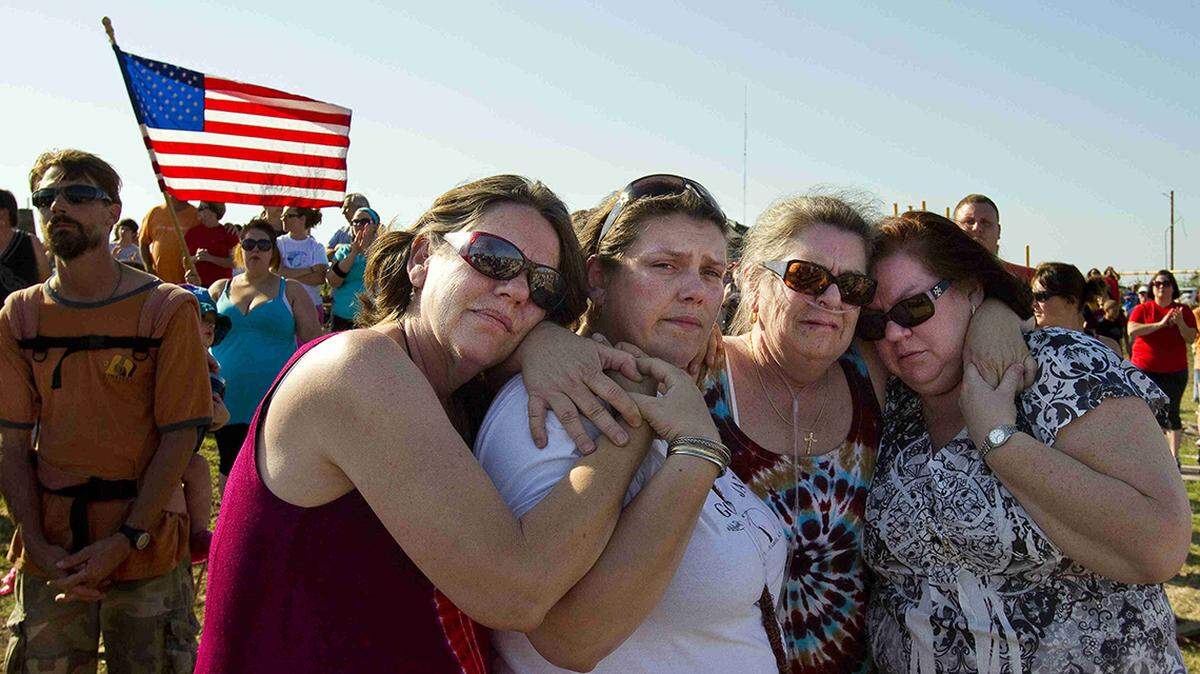
On May 22, 2012 — exactly one year after an EF5 tornado struck Joplin, Missouri — a lone bell was struck at 5:41 p.m. Its reverberation carried over the silent crowd of mostly Joplin residents who had gathered to honor their neighbors. One hundred sixty-one of them had died a year earlier during the storm.
I stepped to the podium to address those gathered, some 20,000, according to media reports. I was asked not only to remember the deceased, but also to celebrate the power of the human spirit.
Directly in front of me were the obvious heroes, the first responders: police officers, firefighters, doctors, nurses, construction workers and local leaders representing churches, government, nonprofits and businesses. All of them had helped set the pace in the aftermath of the tornado, working tirelessly as the community regained its footing.
While I was speaking, I couldn’t help but notice countless other heroes — the unsung ones — known simply as neighbors.
“This community knows the power of a warm smile and a helping hand,” I said. “You know how to lift up the fallen and how to restore hope to friends and neighbors in need. … It’s this compassion and generosity that we’ve witnessed right here in Joplin that gives us hope as a nation.”
I called it “The Joplin Way.”
For decades, as president of Convoy of Hope, an international, faith-based humanitarian aid organization, I’ve engaged in work to bring help and hope to those in need. In serving more than 350 million people in 130 countries and territories, I’ve come to one undeniable conclusion: Small acts of kindness speak louder than words ever could.
On the surface, a warm smile and a helping hand may appear small, but both create positive, seismic shifts deep in one’s soul and in our communities. By nature, both are defiant actions in the face of tragedy, hurt and pain.
In the aftermath of the Joplin tornado — and countless other tragedies — I’ve seen such acts become stabilizing forces that knit communities together in desperate times.
That’s convinced me that if we want to see change on our streets and in our neighborhoods, we should practice similar acts of “defiance” for the good of others, our communities and ourselves.
When we lead with kindness, people are put at ease. They feel seen, defenses lower and trust skyrockets. The effect on communities is palpable too, and the benefits are numerous and long-lasting. Communication, cooperation, healing and trust collectively surge and become woven into the enduring fabric of the community.
When that happens, anything is possible. The atmosphere changes, and neighbors start watching out for one another like never before.
Rebuilding a broken city, as seen in Joplin in 2011, was possible only because neighbors responded as true heroes. They went out of their way — even risking their own lives — to ensure their neighbors were safe and accounted for. In the days after, neighbors worked alongside neighbors clearing debris, searching for keepsakes and rebuilding homes. Sacrificial giving of time, treasure and talent counterbalanced the splintery landscape and forged lifelong friendships that gave Joplin fresh underpinnings to become even better.
Communities are designed to provide as much all the time. Perhaps we’ve lost sight of that in the rush of life and the glow of our smartphones. Or maybe we’re just too isolated from our neighbors. No matter the reason, we can be the ones who step up and make our communities safer, stronger and better.
Imagine if your neighborhood were a haven where encouraging words took precedence over harsh ones; people linked arms and stood at the ready for whatever storm brewed; open communication and cooperation were the order of the day and people were better known for their small acts of kindness than their politics.
Yes, let’s practice defiance — the kind that starts at your neighbor’s front door with a warm smile and a helping hand.
Hal Donaldson is the founder and CEO of Convoy of Hope, a 501(c)(3) nonprofit founded in 1994.