
Truman Library exhibit transports you through the story of US | Opinion
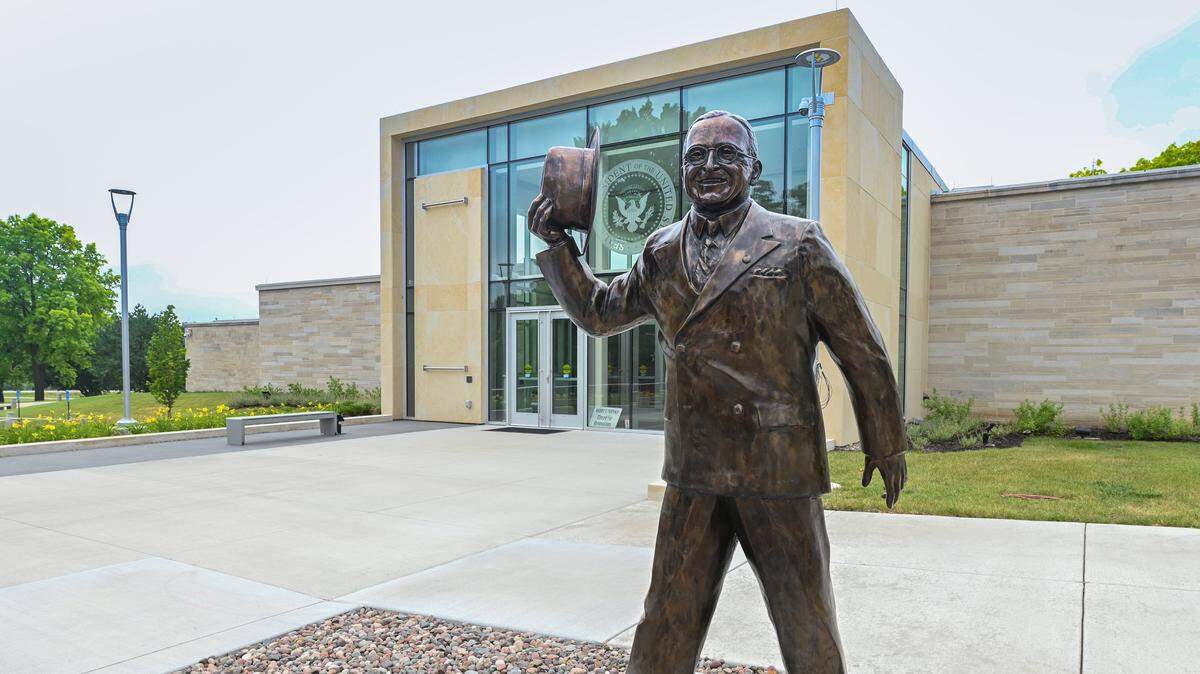
When I was 12, my family drove from New York City to Independence to visit my grandparents, Harry and Bess Truman. Along the way, we stopped at the Civil War battlefield in Gettysburg, Pennsylvania. Up to that point, I had not been much of a history student. But standing on Little Round Top and looking into the Devil’s Den, I was transported.
When I arrived at 219 North Delaware Street, I pulled all Grandpa’s Civil War books off the shelves, threw them in the middle of the floor and plunked myself down to read. Grandpa, who nearly tripped over me, appreciated the plan, if not the execution.
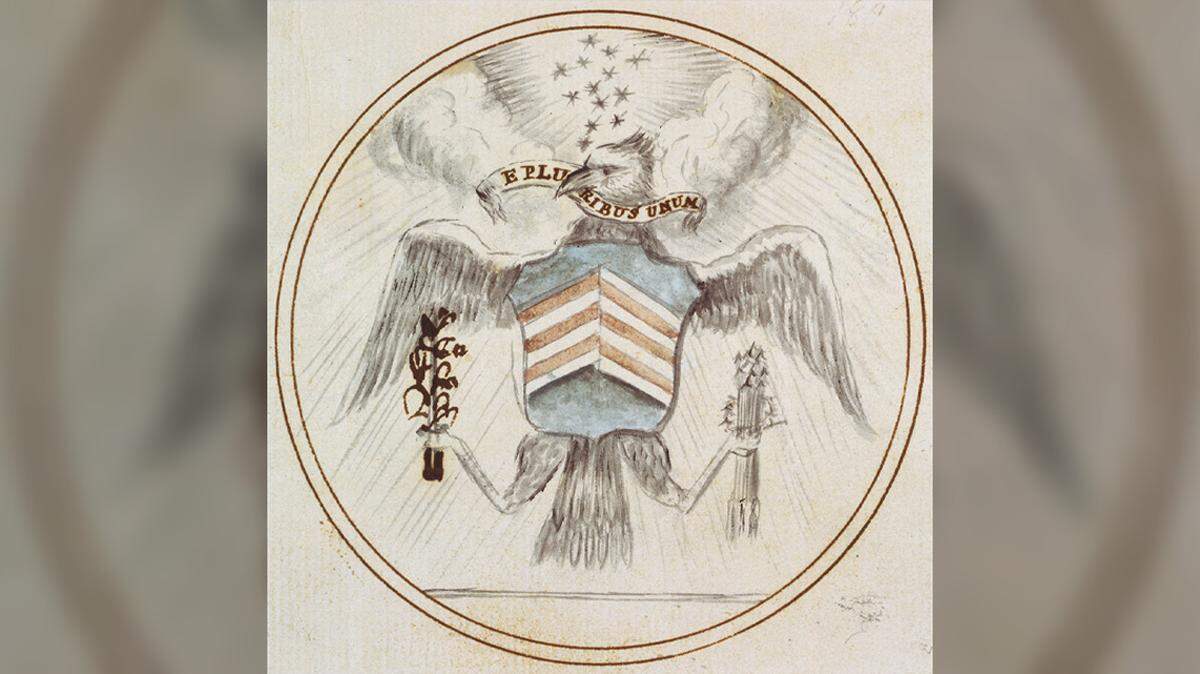
The Truman Library currently is exhibiting 21 original documents from American history. “Opening the Vault: The Story of US,” on loan from the National Archives, includes the original design of the Great Seal of the United States, the proclamation announcing the Treaty of Paris, which freed us from England’s yoke, and the 1971 joint resolution proposing the 26th Amendment to the Constitution lowering the voting age from 21 to 18.
In between, you’ll see a draft of the Senate revisions to the Bill of Rights, complete with quill pen run-throughs and senatorial scribblings in the margins. Next to that is the Louisiana Purchase Treaty, which Grandpa considered one of Thomas Jefferson’s great achievements. The real estate transaction doubled the size of the country, netting us nearly a million square miles of rich farmland at about 4 cents an acre. Jefferson’s emissaries, Robert Livingston and James Monroe, paid $15 million to Napoleon of France, who was getting ready to fight the English — again — and was “feeling depressed,” as Grandpa put it, over a revolution in French-owned Haiti.
Of the 21 documents on display, 10 track this country’s history with slavery and civil rights. Early items — the Missouri Compromise, the Compromise of 1850 and the Kansas-Nebraska Act — reflect lawmakers’ attempts to balance the influence of slave and free states, which ultimately helped fuel the Civil War. You will also see the telegram announcing the surrender of Fort Sumter, the opening salvo in a conflict that would claim up to 750,000 lives, making it this country’s costliest war.
The Joint Resolution Proposing the 13th Amendment to the United States Constitution led to the amendment’s adoption and freed the slaves. Earlier, in the 1857 Dred Scott decision, the Supreme Court ruled that Black Americans, free or enslaved, were not citizens and therefore not protected by the government or the courts. Forty years after the war, Plessy v. Ferguson established a legal basis for racial segregation.
Also included in the exhibit is Executive Order 9981, which my grandfather signed in 1948, abolishing segregation and discrimination in the U.S. armed forces. He had been outraged by reports of Black soldiers, having fought for this country in World War II, coming home to be beaten and lynched — and this was from a man who had grown up among Confederate-leaning family members, most of whom “thought it was a fine thing” Abraham Lincoln was assassinated.
Early in World War II, Grandpa, as head of the Senate Special Committee to Investigate the National Defense Program, had gotten wind that millions of dollars were disappearing into unincorporated areas of Tennessee and Washington. He had inadvertently stumbled upon the secret Manhattan Project to develop an atomic bomb, and had to be warned off by Secretary of War Henry Stimson. Opening the Vault includes a Manhattan Project technical notebook recording the success of the world’s first controlled, self-sustaining nuclear chain reaction on Dec. 2, 1942. One of scientists was so excited he wrote, “We’re cooking!”
Before that weapon could be used on Germany, the Germans surrendered. The instrument of surrender, signed on May 7, 1945, went into effect the following day, May 8, my grandfather’s 61st birthday. He often said it was the best present he ever received.
Those documents and a few others, including the Voting Rights Act of 1965, are not just pages in a history book. They’re the real thing, the ideals and struggles of real people, the battlefield on which our democracy was, and continues to be, shaped.
You may not be able to pull them off the wall and throw them on the floor, but you will nonetheless be transported.
Clifton Truman Daniel is President Harry Truman’s eldest grandson and is honorary chair of the Truman Library Institute. “Opening the Vault” runs through Memorial Day, May 25, at the Harry S. Truman Library and Museum in Independence.