
Elections are supposed to check prosecutors. In Kansas, they don’t | Opinion
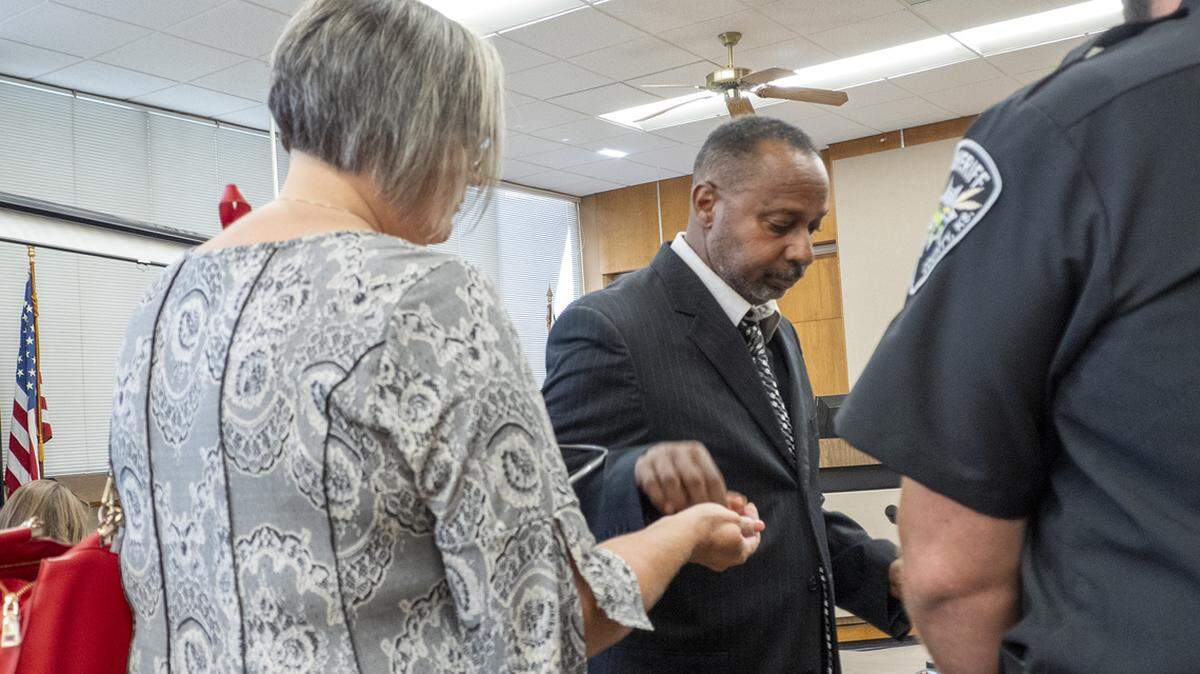
Linus Thuston served more than a decade as the Neosho County Attorney in rural southeast Kansas. During that time, he was accused of multiple ethics violations and criminal conduct. The accusations against Thuston are shocking. He allegedly committed sexual extortion, convincing dozens of women to send him nude photos in exchange for legal services. He even prosecuted some of those women in his role as county attorney.
Local officials had complained about Thurston for years, but because no candidate ever ran against him, he was repeatedly reelected. Thuston left office only in 2024, after first securing a highly favorable plea deal with the state attorney general’s office, which did not include charges for sexual exploitation.
While the allegations against Thuston are highly unusual, the inability of Neosho County voters to choose another county attorney is all too common. Kansas voters rarely have a choice in their prosecutor elections. Instead, the vast majority of the state’s six district attorneys and 99 county attorneys run for office unopposed every four years. A report released earlier this month from the Prosecutors and Politics Project at the University of North Carolina shows that since 2016, only 16% of Kansas prosecutors faced an opponent in either the primary or general election. Indeed, nearly half of all Kansans — 49% — live in a county that hasn’t held a contested election in over a dozen years. Only four other states in the country have such low levels of contested prosecutor elections.
Contested prosecutor elections are not only about ensuring democratic accountability. They also improve outcomes and transparency. During election years, local prosecutors bring more cases to trial, and they secure more convictions at those trials. The public also learns more about their local prosecutor when elections are contested. A pilot study found that media coverage of prosecutors increases significantly during contested elections, as compared to uncontested elections.
Happily, there is a relatively simple solution to increasing the number of contested elections in the state. Studies have shown that population size is statistically related to rates of contested elections. Kansas can follow the model of several other states, which have consolidated low-population counties into multi-county districts. More than a dozen states follow this model, including Colorado and New Mexico. Colorado’s prosecutors are more than twice as likely to run in a contested election. New Mexico’s prosecutors are three times more likely.
Creating multi-county districts offers additional benefits. Not all counties have enough work for a full-time prosecutor, which is why some county attorney positions are part-time jobs. Consolidating these offices could result in cost savings and avoid the conflicts of interest associated with government prosecutors who also represent private clients. Combining multiple part-time positions into a single full-time position could also help those counties, which have struggled to recruit and retain prosecutors. Last fall, news accounts reported that Harper County, Kansas, has had six different county attorneys since 2016, and that the office had been unable to find any applicants for the job after the most recent county attorney resigned in August.
Consolidating low-population counties such as Neosho County would not be a cure-all. It would not guarantee that prosecutors will never engage in misconduct. But increasing electoral competition is more likely to shed light on misbehavior, and it would give Kansans an alternative when they suspect that their government officials appear to be preying on the vulnerable, rather than protecting them.
Carissa Byrne Hessick is the Ransdell Distinguished Professor of Law at the University of North Carolina, where she also directs the Prosecutors and Politics Project.