
Kansas City has high obesity rates. Read this before you start a GLP-1 | Opinion
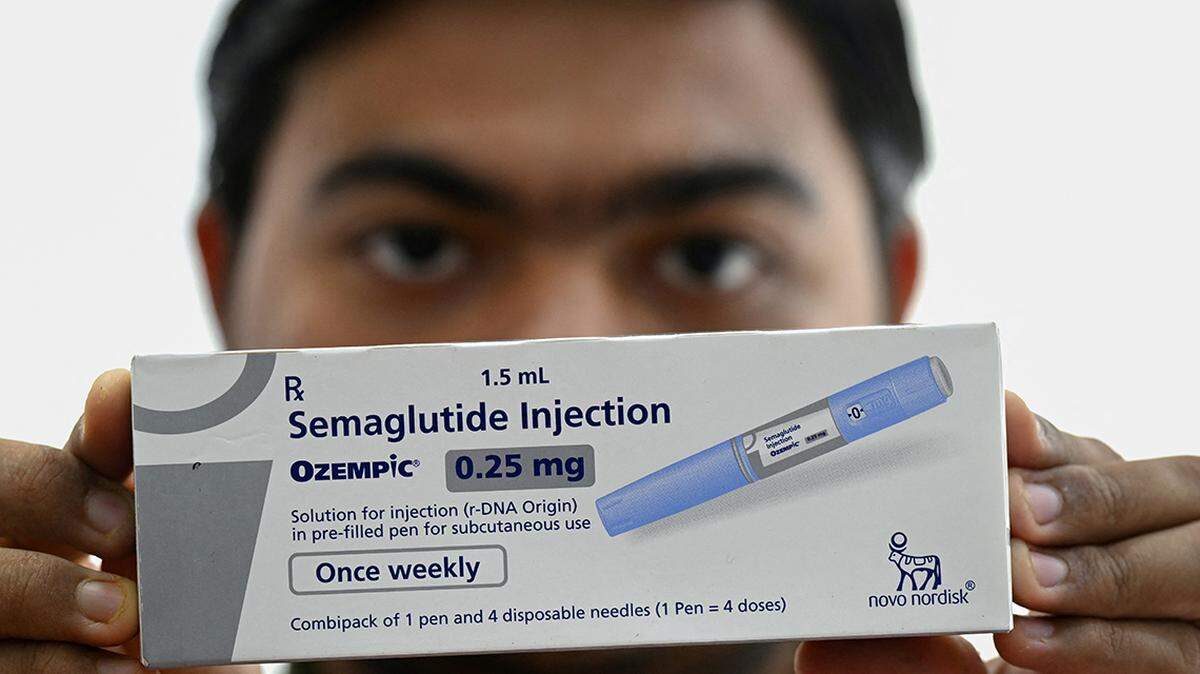
Walk into almost any primary care office in the Kansas City metropolitan area right now, and you will find a waiting room full of patients who have already decided they want semaglutide or tirzepatide. They saw it on social media. They heard about it from a neighbor. Some of them have already tried to get it through a telehealth app. They come in with the name of the medication and a rough idea of what it does, and they want a prescription.
Missouri and Kansas both rank among the states with higher obesity rates in the country. About a third of Missouri adults are obese. Kansas’ rates are similar. The Kansas City area reflects that, and patient interest about these medications is real. So is the confusion.
I want to be direct about what these drugs actually are, who they are right for and what people in this region need to understand before they start.
Semaglutide (sold as Ozempic for diabetes and Wegovy for weight loss) and tirzepatide (Mounjaro for diabetes, Zepbound for weight loss) work by activating receptors in the brain and gut that regulate appetite and food intake. They slow how fast the stomach empties. They reduce hunger in a way that most patients describe as genuinely different from willpower. Clinical trials have shown average weight loss of 15% to 21% of body weight over about 18 months. Those are meaningful numbers.
Real medical advance, not a fad
The evidence is solid. These are not fad medications. They represent a real advance in obesity treatment, and Kansas City physicians who specialize in this area have been paying close attention to the trial data for several years.
The Food and Drug Administration’s guidance on these drugs is fairly specific. For their use in weight loss, a person needs a body mass index of 30 or higher, or 27 or higher with at least one weight related health condition such as Type 2 diabetes, hypertension or high cholesterol.
Beyond the BMI cutoff, there are contraindications that matter. Patients with a personal or family history of medullary thyroid cancer or a condition called multiple endocrine neoplasia Type 2 should not take these medications. Active pancreatitis is a contraindication. Patients with certain gallbladder conditions need a careful evaluation before starting. These are not theoretical concerns, and they require an actual clinical review, not a checkbox on an intake form.
Several common medications can also complicate the picture. Antidepressants, corticosteroids and some diabetes drugs interact with how these medications work or affect weight independently. A physician who does not have your full medication list is working with incomplete information.
One part that gets left out of most of the coverage these drugs receive is clinically important: When patients stop taking GLP-1 medications, most of the weight comes back. A major study called the STEP 1 extension followed patients who discontinued semaglutide after about 16 months of treatment. Within one year of stopping, they had regained roughly two-thirds of the weight they lost. Blood pressure, blood sugar and cholesterol levels that had improved during treatment also moved back toward where they started.
This is not a failure of the medication. It reflects how obesity works as a disease. The biological drivers of excess weight do not go away because someone lost weight. When the medication is removed, those signals reassert themselves. The appropriate framework for thinking about this is the same as any other chronic disease medication. You do not stop blood pressure medication because your blood pressure got better on it.
Telehealth prescriptions can overlook conditions
Patients in Missouri and Kansas face a real access challenge here. Coverage for the weight loss formulations specifically remains inconsistent. MO HealthNet, Missouri’s Medicaid program, does not broadly cover these drugs for obesity. Kansas’ KanCare coverage has similar gaps. Many commercial plans require prior authorization and deny it on the first attempt. For a medication that works best as ongoing treatment, interruptions in access have direct consequences for patient outcomes.
Telehealth prescribing for these medications exists and some of it is legitimate. The concern is not that telemedicine is inherently wrong for this use case. It is that a five-minute intake that does not review your labs, your medication list, your thyroid history or your cardiovascular risk profile is not a clinical evaluation.
A Kansas City patient who starts one of these medications through a proper clinical relationship gets their thyroid function checked, their insulin resistance assessed and their sleep evaluated for apnea, which interferes with weight loss in ways that are frequently overlooked. They get counseling on what the first two months actually feel like so they do not stop during the adjustment period. They have someone to call when side effects come up instead of just stopping the medication.
None of that is complicated. It is just medicine done properly.
The medication does the heavy lifting. But the clinical relationship around it is what determines whether a patient stays on it long enough to get the benefit, manages the side effects correctly and understands what they are signing up for from the start. For patients in the region navigating real coverage gaps and real access barriers, that relationship matters more than it might in a place with easier health care access.
Quoc N. Dang is a board-certified physician and medical director at WeightLossPills.com