
The US needs more technicians. This KC school trains the next generation | Opinion
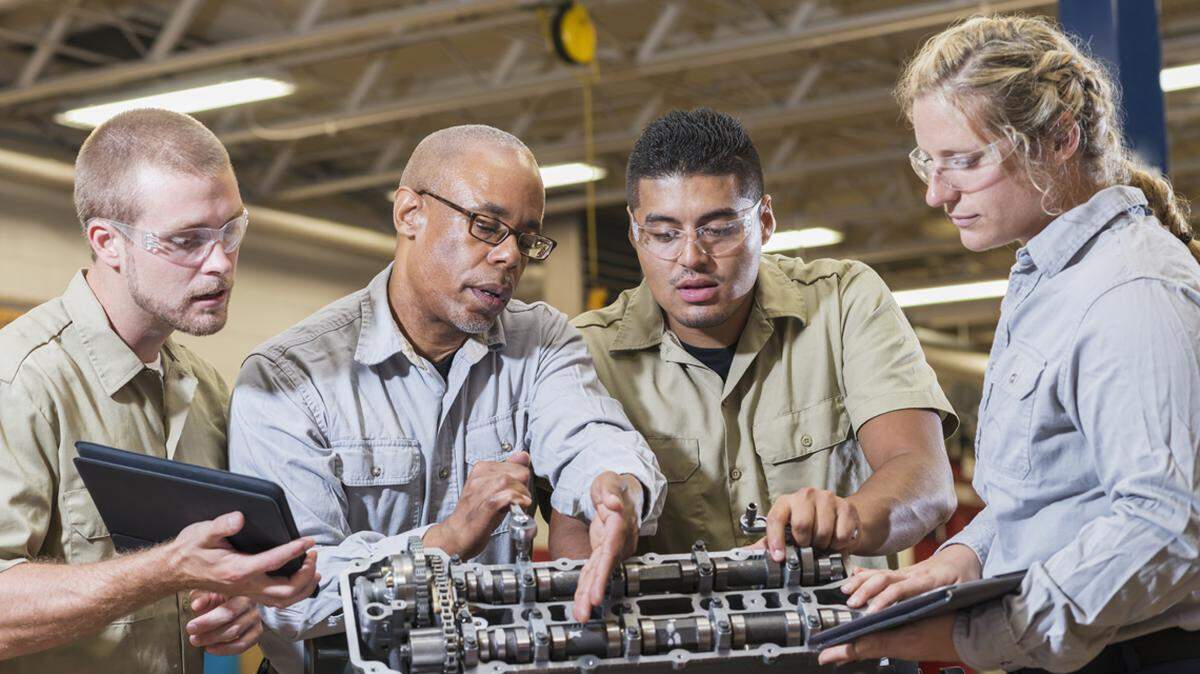
Last November, two of my high school students won a national competition and each one took home more than $1,000 in prizes.
The duo disassembled and reassembled a Chevy 350 engine in 1 hour and 44 minutes. They did it amid the pressure of a live audience and faster than two other teams from post-secondary technical colleges.
This wasn’t just any competition. It was the inaugural student engine competition hosted by AAPEX, an annual automotive industry trade show. The event attracts 45,000 attendees and thousands of potential employers from across the $2.3 trillion global supply chain.
Many of these companies have open positions they cannot fill. Technical schools are producing only about half of the 70,000 new auto technicians this country needs every year. For a young person pondering their future, this adds up to a stable career, where high-performing auto technicians can earn six-figure salaries.
Cultural barriers to overcome
Despite these career prospects, there are cultural obstacles to overcome that have been decades in the making. For example, one surprising trend now is how few high schoolers have a desire to drive.
A driver’s license used to be the pinnacle of teen independence. Meeting friends at the mall wasn’t just socializing — it was how young people learned confidence. Today, the malls are all but gone, and socialization happens on a phone.
That’s not criticism. It’s a reality. If cars aren’t a part of their daily life, it’s hard for them to imagine a career fixing them. Against that backdrop, I offer the following ideas for addressing the shortfall.
Earlier exposure to trades
The industry focuses on recruiting 18-year-olds. However, that’s at least five years too late because young people today have little exposure to anything mechanized.
Under budget constraints, testing requirements and an emphasis on college preparation, schools have gradually phased out industrial arts programs. Consequently, an entire generation grew up without even touching a tool.
Middle schools need exploratory programs. These should help students to learn the basics of simple circuits, small engines, and mechanical problem-solving.
Educator shortage
We also need to acknowledge the problems in the shortage of teachers. An educator has to be able to both do and teach, but recruiting talent from the industry is a hard sell. Teaching brings a pay cut with added responsibility: curriculum, safety, assessments, certifications, parental communication, advisory committees and more.
If we want the best professionals teaching the next generation, compensation and support need to reflect the complexity of the job.
Academic standards ties to expectations
There’s a misunderstanding that all academic programs aim for the same outcome — but they don’t and shouldn’t. The National Institute for Automotive Service Excellence, which is the industry’s gold standard, offers certifications. While each certification expands a tech’s earning potential, academics must focus on what they can realistically deliver. High schools, for example, should focus on the foundational, literacy and safety skills needed for entry-level work.
That’s important because when schools promise too much, employers expect too much as well, and students get discouraged. As a result, we lose aspiring techs just as they start their careers.
None of these ideas are revolutionary. It’s brass tacks for rebuilding the rungs of the career ladder we gradually removed over time. The technician shortage isn’t unsolvable. Organizations like AAPEX are working on building awareness. The rest of the community needs to put the structural pieces that actually create them.
Jack Stow is an Automotive Service Excellence certified master automobile technician and an automotive instructor with North Kansas City Schools.