
Kansas City, ‘No Kings’ is great, but real change is going to take more | Opinion
In the 1960s, we believed in speaking truth to power — a noble, even hopeful sentiment — but it’s complicated. The Constitution says legitimate power derives from consent of and listens to the governed. Illegitimate power derives from corrupt sources in the wake of the Supreme Court’s 2010 Citizens United decision, which opened the doors to corporations and other wealthy entities to spend money on elections without limits. That led to bribes, insider trading and enablers feeding a needy ego.
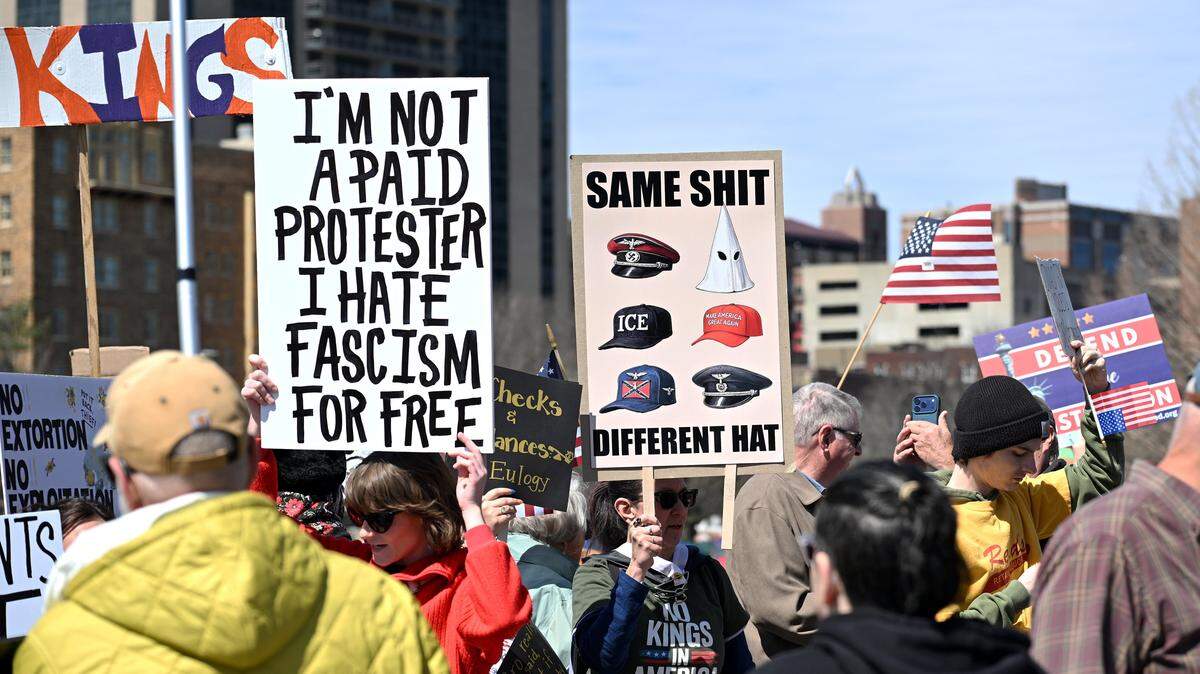
In Kansas City, we have spoken truth to the current power in Washington, D.C., on June 14 and Oct. 18, of last year, and March 28 this year through major “No Kings” rallies in conjunction with the national organizer, Indivisible, Inc. Protesters gathered at Mill Creek Park on the Plaza, as well as other locations across the metropolitan area. According to the KC Indivisible chapter and local news outlets, this was the largest single protest ever held in Kansas City, with an estimated 19,000 participants.
I was in attendance at the June and October “No Kings” rallies. They were powerful. They were peaceful. They were productive. But we need more. The most recent of these rallies, the largest protest ever recorded globally, drew more than 8 million protestors participating in 3,300 events worldwide. These demonstrations raise the consciousness of others, who swell the ranks at future rallies. Protests apply steady pressure on government officials.
But for massive and immediate change, we need massive and immediate action. We need action with consequences so rapid and overpowering that it brings an immediate widespread end to immoral and unconstitutional criminality by those in powerful business and government roles.
Single-day boycotts do little
When government refuses to listen, pressure must be brought by drivers powerful enough to effect change. The most powerful tactics are economic. Boycotting has proven to be effective. However, short-term boycotts lack long-term success. When consumers stop buying from a business once, there is a noticeable reduction in gross receipts for that day. Historically, however, people defer purchases until the following day. The store loses no profit long-term. Discomfort in the short-term does not change behaviors.
Long-term boycotts cause change. For economic action to be effective, painful and potent enough to bring about reform in government, it must be massive. It must be long term. And it must spread to other sectors.
Many believe today’s political situation is untenable. A person of questionable character heads the executive branch. He has been found guilty of 34 counts of felony crime, penalized for fraudulent business practices, and held civilly liable for sexual abuse.
Economic harm from tourism, tariffs
He and his apologists are destroying our government, our reputation on the world stage and our economy. Combined losses to the airline and tourism industries are huge. The BBC’s Laura Hall reported that the World Travel and Tourism Council projected a loss of $12.5 billion in spending by international visitors last year because of perceived danger and travel advisories. The U.S. was the only country forecast to see a decline in international visitor spending.
In addition to tourism losses, an analysis by the Penn-Wharton School of Business at the University of Pennsylvania shows the new tariffs will do massive harm to the country’s economy. Wages, spending, and foreign investment will all decrease. In April 2025, the school projected a long-term reduction in gross domestic product of 6% and a wage decrease of 5%, a $22,000 lifetime loss to middle-income families.
These affected industries hold massive economic power. We have long witnessed this power on government to create policies beneficial to their bottom lines. It can also be wielded for more noble causes.
If Americans are sufficiently alarmed by the current occupant in Washington, by daily reports listing civil and criminal infractions by governmental agencies, by international war crimes committed in their name — then Americans need to take an action more meaningful, more powerful than marching in the street. Americans need to conduct a national strike. A total shutdown of every store and employer in America. Zero work. Zero spending.
Within the last decade, the people of Italy, Greece, Belgium, France, India, Tunisia, Honduras, Peru, Brazil, Chili and Bangladesh have successfully used nationwide strikes against critical sectors including transportation, health care and public services. The reasons included wages, economic issues and government reforms. These nations conducted national labor actions that brought about desired results from their governments.
But it is complicated. National strikes and boycotts require shared commitment and shared suffering for a greater good. It is not a one-day event. It is not protest signs and marches. It is not refusing to buy from a particular store for one day. In other countries where national stoppages are common — and effective — they are led by labor unions.
The most complicated part of such a massive movement would be inspiring potential participants who must weigh the political benefits against the personal backlash of such an action. One such important step is occurring now in Kansas City as the Missouri Workers Center is planning an action on May 1. It is currently inviting people to discussions and training sessions and asking them to commit for May 1, the day that will show Kansas City know how effective a boycott could be. Every journey begins but with a single step. This May 1, action is such a step.
However complicated and painful, if we stand together, we can win this fight. We can get the attention of powerful allies and change our future.
National Strike. Now.
Al Griffin had a 17-year police career in Oklahoma, with the last 10 years as division head at the state police academy. He lives in Kansas City.
Editor’s note: Find other area May 1 demonstrations here.