If Missouri makes decisions about tobacco for Kansas City, we will all pay | Opinion
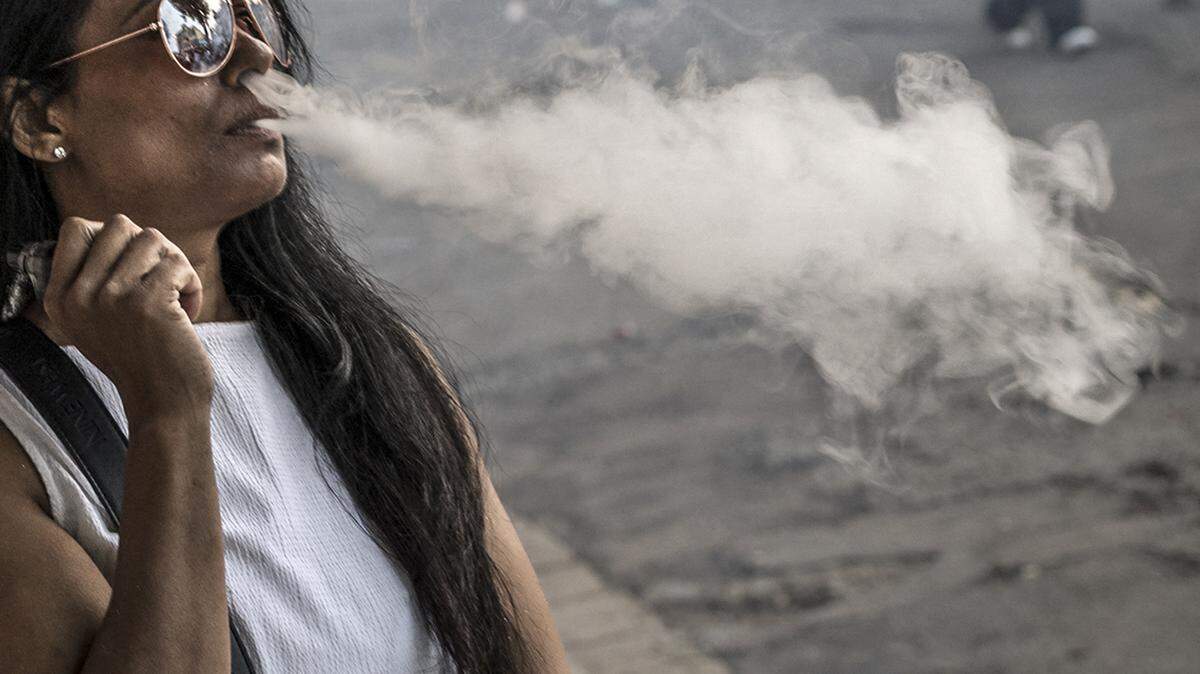
If Missouri passes House Bill 2085, communities such as Kansas City could lose the ability to protect residents — especially kids — from the harms of tobacco. Missouri should take a hard look at the public health impact of this bill. While it’s framed as creating uniformity, it would actually take away local control — and evidence from the American Heart Association shows that this kind of approach can harm public health.
Preemption means the state would limit what local communities can do. In this case, the bill would prevent cities and counties from passing stronger tobacco protections, even when local needs demand it. In Kansas City and across Missouri, local leaders are often the first to see where youth vaping is rising, or where tobacco retailers are concentrated. The stakes of this distinction are substantial. According to the U.S. surgeon general’s report on health consequences of smoking, approximately 480,000 Americans die each year from tobacco use, and many of those deaths are attributable to cardiovascular disease. These figures translate into heart attacks, strokes and the long progression of vascular illness that strains Missouri families, employers and health care systems.
Tobacco use remains the leading cause of preventable disease and death in the United States, which means that the policy tools available to reduce it carry commensurate weight. Behind these numbers are families and communities impacted by preventable heart disease and stroke.
Local tobacco policy is among the most effective of those tools, because communities possess detailed knowledge of the conditions their own residents navigate. Municipal and county leaders observe where youth vaping has concentrated, which neighborhoods have become saturated with tobacco retailers, and where marketing practices have produced the most harm. The American Heart Association has documented that more than half of teenagers who begin smoking start with menthol products, and that flavored tobacco products contribute directly to elevated rates of heart disease and stroke. When local officials respond to this evidence, they are engaging in the kind of evidence-informed governance that public health progress requires.
The American Heart Association has articulated a clear and consistent position on preemption of this nature. In its 2022 policy statement addressing the misuse of preemptive laws, the association identified blocking preemption as a direct impediment to public health advancement. This position is grounded in decades of evidence.
Fiscal considerations reinforce the public health case. While tobacco excise tax revenue contributes to the state budget, tobacco-related health care expenditures impose substantial costs on Medicaid and other state-funded programs. Reductions in tobacco use translate, over time, into reduced spending on cardiovascular admissions, stroke rehabilitation and oncology care, which ultimately saves taxpayer dollars.
Many of the tobacco control measures now considered standard — including smoke-free workplace protections, Tobacco 21 laws, and restrictions on flavored products — originated at the local level before being adopted more broadly. Preemption would foreclose that developmental pathway, and limit what the state can learn from its own communities about effective intervention.
For these reasons, Missouri shouldn’t tie the hands of communities working to keep people healthy. Lawmakers in Jefferson City should drop H.B. 2085.
Kaala Berry is a public health professional and a member of the American Heart Association Missouri State Advocacy Committee and Kansas City resident.