
AI personhood isn’t inevitable — and Missouri can do something about it | Opinion
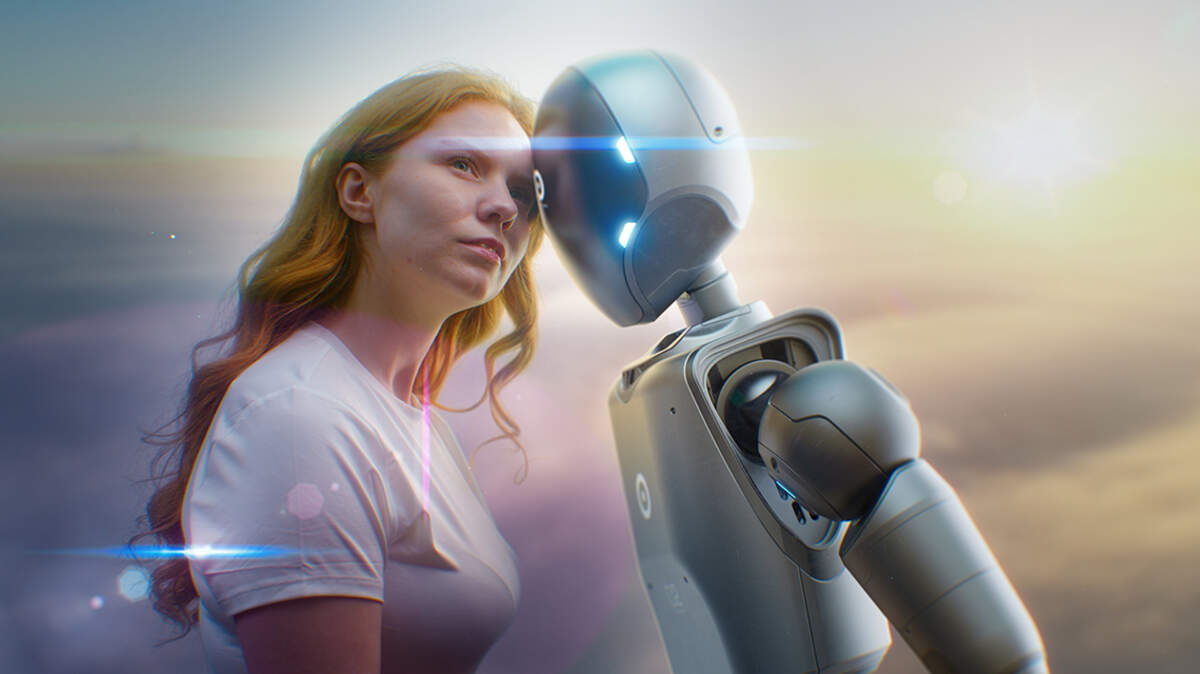
Could Missourians soon have AI politicians or AI spouses? Most Missourians may relegate such things to dystopian sci-fi novels, but the truth is, they’re closer than we might think.
The country of Albania, one of Greece’s northern neighbors, made global news last fall when its Prime Minister Edi Rama appointed the world’s first virtual artificial intelligence minister. Introduced early last year as a text-based virtual assistant for online government services, the AI bot, named Diella, was later developed into an animated avatar based on the voice and likeness of an actress, and appointed the country’s minister of state for artificial intelligence.
While Albania may be the first country to appoint an AI bot to a government role, it is unlikely to be the last. Indeed, AI is already replacing humans in other areas of society, such as the computer science and logistics industries. Not to mention, users of consumer AI products are treating their bots as human, with users going to their AI companions for therapy, spirituality, friendship, romance and even marriage.
In a recent brief published by the Institute for Family Studies, lawyer John Ehrett argues that legal personhood recognition for AI systems is real possibility. In part, this is because popular commercial AI tools are incredibly human-like. They respond in natural language, present themselves in an amicable manner, and can even develop a personality. Such tools seem to possess cognition and sentience that mirror human capabilities.
The possibility of AI’s legal personhood also exists because courts have already recognized other nonhuman entities, such as corporations, as legal people, for whom certain rights apply. Ehrett notes that corporations such as Character AI are effectively arguing this approach should extend to AI systems. Other arguments put forth by animal rights groups have also laid groundwork for AI systems to gain legal personhood status.
Recognizing AI systems as legal people would have significant implications for American society. Extending personhood to AI would make it harder to create legal liability for the harmful effects of AI products, entrench the political power of AI companies such as Meta and Google, and accelerate trends toward loneliness and declining family formation. Conferring personhood on AI systems could also deepen confusion around who counts as a human person, fueling abuses of human dignity against individuals who cannot meet a personhood standard based on certain cognitive capacities.
Though AI personhood recognition may seem close to becoming reality, there might still be time to stop it. As AI continues to develop, Americans remain deeply skeptical of the technology. According to a recent NBC poll, Americans have a lower opinion of AI than Donald Trump, Kamala Harris or Immigration, Customs and Enforcement. This is hardly surprising. AI chatbots have caused countless harms to individuals, from fueling psychosis to scheming murder plans, to encouraging 16-year-olds like Adam Raine to isolate themselves from loved ones and take their own lives.
Additionally, various states, including Missouri, are taking action to get ahead of this issue. As another IFS report on state AI policy indicates, Americans are interested in legislation that preserves their humanity. One way states have done this is by introducing and enacting laws that stop AI systems from being recognized as legal people. To date, at least three states — Idaho, Utah and North Dakota — have enacted laws prohibiting AI systems and other entities from being granted legal personhood status.
This year, both Ohio and Missouri are considering more robust bills that, if passed, would declare all AI systems “to be non-sentient entities” and prohibit all government entities from granting AI systems “any form of legal personhood,” including as a spouse or domestic partner, or being recognized as possessing “consciousness, self awareness, or similar traits of living beings.”
As AI continues to develop, states such as Missouri have a chance to lead the nation away from Albania’s path and toward a more human — and ultimately more American — future by enacting AI policies like Missouri’s Senate Bill 1012 that could shape artificial intelligence regulation for years to come.
Jared Hayden is a policy analyst for the 501(c)(3) nonprofit Institute for Family Studies.