
Gov. Kehoe, Missouri General Assembly betrayed President Trump on hemp | Opinion
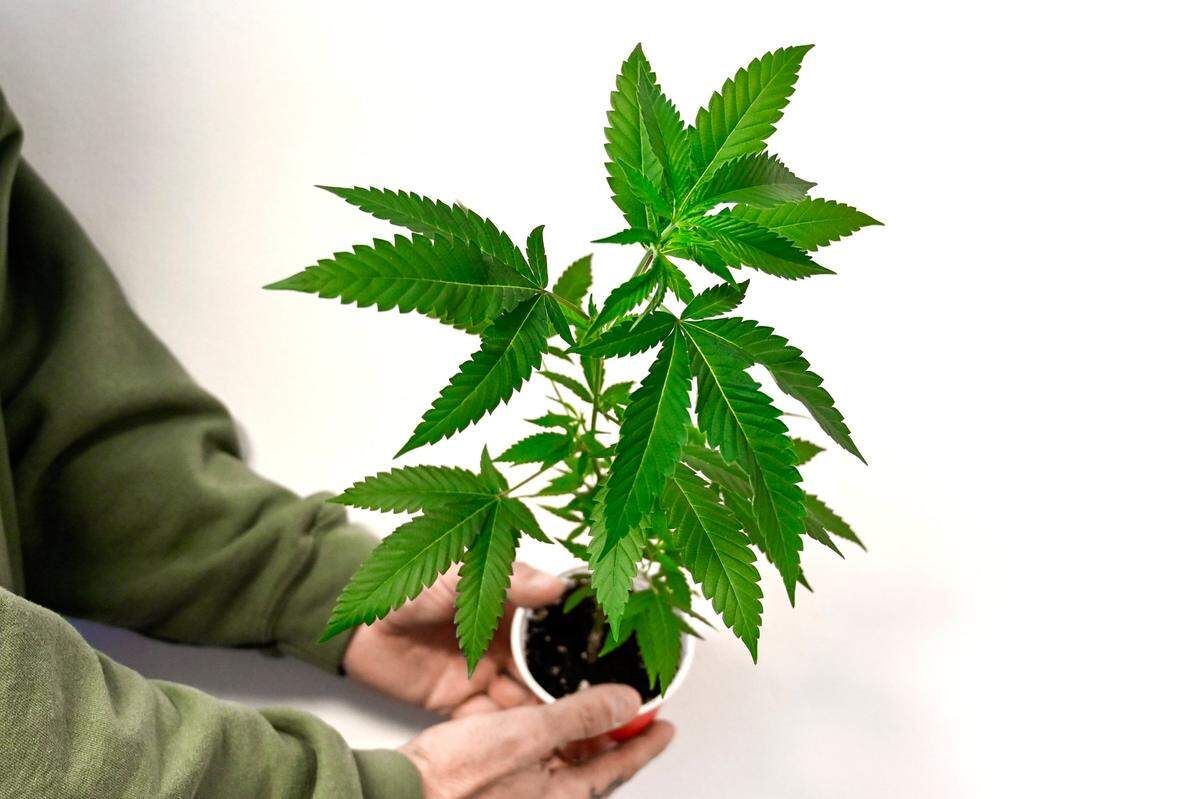
There is a distinction worth understanding before this story makes sense. I am in the hemp industry — not the marijuana industry. We work with the same plant, governed by different legal definitions, different rules and a different relationship with the taxpayer. Missouri law subsidizes a marijuana industry tax deduction unavailable to any other business, compensating them for what federal tax rules won’t allow. Walk into a dispensary, and you will find a security apparatus you would never tolerate at a liquor store or a winery. That is not safety. That is design.
In my wife’s and my hemp store, we receive no subsidies — only the same deductions every American business receives. We provide relief, not the highest THC content on the shelf.
Gov. Mike Kehoe has signed legislation that places Missouri in direct conflict with President Donald Trump’s agenda. On April 1, the Centers for Medicare and Medicaid Services opened the door to a Medicare CBD pilot for qualifying older adults. The same week, Missouri slammed that door shut by taking steps to ban intoxicating hemp. The General Assembly did the work. Gov. Kehoe made it permanent.
One must ask, in good conscience: How does this serve Missouri’s residents? The president has been unambiguous about veterans’ access to alternative therapies to manage pain. Veterans returned from war carrying wounds that do not show on an X-ray. The Department of Veterans Affairs offered opioids that bred addiction, and antidepressants that deepened despair. Since the smoke of 9/11 cleared, more than 140,000 veterans have died by their own hand — a toll exceeding the combat fatalities of Vietnam and every conflict since. Missouri House Bill 2641 abandons them to darkness, or to the black market.
Many veterans found in legal hemp a path toward life, and chose to take it. They chose to thrive, and in doing so, preserved their Second Amendment rights — rights they forfeit the moment they walk through the door of a marijuana dispensary. Kehoe has closed that door. The men and women who bled for this country deserve leaders who recognize that safety comes from expanding options, not eliminating them.
Marijuana lobby wrote bill, Kehoe signed
In Kansas City, hemp retailers are being red carded before the World Cup even kicks off. Consider Sacred Leaf KC, a locally owned shop in Westport built by a service-connected disabled veteran, carrying full lab documentation, clear labeling and an owner who has publicly called for stronger hemp regulation. In November 2025, the Missouri Attorney General issued a civil investigative demand, and in March this year, a cease and desist against 33 hemp shops in the state. The evidence? Lab results supplied not by any state laboratory, but by MoCannTrade — the same marijuana lobby that filed civil suits against Sacred Leaf in Jackson County seeking millions in damages.
Let that sink in. The marijuana industry collected the evidence. Thirty-one of 33 businesses targeted came directly from MoCannTrade’s report. The AG signed the warrants. This is lawfare — the same instrument wielded against President Trump, now turned against Missouri’s hemp farmers and small business owners. Someone wants this market cleared before the cameras arrive.
Catherine Hanaway was appointed attorney general by Gov. Kehoe directly from her partnership at Husch Blackwell, a law firm with a national cannabis practice and a platinum sponsoring membership in MoCannTrade. The marijuana industry’s law firm trained the state’s attorney general. The marijuana industry’s lobby bankrolls that law firm. The marijuana industry’s evidence fills the AG’s case files. That is not law enforcement. That is a hired gun carrying a state seal.
“The goal isn’t justice. It’s attrition. Drain our money, freeze our operations, damage our name, and watch us fold without ever proving we did anything wrong,” said Emmitt Monslow, operator of Sacred Leaf Kansas City. “Kansas City has been here before. This is the Pendergast era — just with a different product.”
Tom Pendergast effectively ran Missouri for two decades from a Kansas City office, picking winners, burying losers and calling it progress. The suits changed. The machine did not. Missouri’s modern Pendergast has a name: Steve Tilley, the marijuana industry’s top lobbyist and former Missouri House speaker.
The cost of this machine is real. For four years, our company Slaphappy Beverage has kept its doors open. In November, we lock them forever. Our invitation to Kehoe remains open: Come to the Hemporium. Come see the dreams you have destroyed.
Rural Missouri abandoned
The legal dispensary in Hermann closed because the profits were not there. The marijuana industry built its model for population centers, not for rural Missouri. Hemp filled that gap. It is not a perfect market, but it is legal, accessible and it deserves regulation, not elimination. H.B. 2641’s sponsor once wanted that too. Our customers are not driving 30 miles to a dispensary, and they will not start now. In more than 56 Missouri counties, there is no dispensary, no alternative — only the black market. Kehoe and the General Assembly have handed those communities to the black market. Back to the opiates.
State Sen. Mike Moon went to the Missouri Senate floor and testified that he searched for the products said to be targeting our children. He found nothing. The threat existed only in the brochures of the lobbyist who paid for this outcome. By blocking Division of Cannabis Regulation data collection, state senators did not merely violate Article XIV’s safety mandates — they cleared a path for Missourians to break federal firearms laws knowingly.
The record was there. The compromised licenses. The massive recalls. The looted social equity program. The PAC money that preceded the executive order. The lobbyist with the drug conviction and another under FBI scrutiny — four years spent trying to eliminate competition through the legislature.
And now, consider this: The federal government has proposed moving marijuana to Schedule III — an acknowledgment, at the highest level, that cannabis is medicine. President Trump has not opposed this reclassification, and he threw the hemp industry a lifeline in December with an executive order to speed up that rescheduling. Missouri’s governor, in the same moment federal rescheduling is happening, has moved to eliminate the industry that has served that medical need at the community level — legally, affordably and without the apparatus of a cartel-backed oligarchy. Hemp will become a Schedule I controlled substance Nov. 12 in Missouri, nullifying the progress Trump has made. This takes place regardless of any federal changes.
Kehoe saw seniors. Veterans. Farmers. Small business owners. People who followed federal law while the marijuana industry rigged the game around them. The people who built this industry on fraud asked the governor to finish the job.
Chose oligarchy over farmers, veterans
Uncountable numbers of Missourians out of work and small businesses shuttered. Eliminating an industry does not merely eliminate an income tax — it eliminates the income. Gov. Kehoe and the General Assembly have betrayed President Trump to protect an oligarchy. They have betrayed Missouri. A law written by the powerful to devour the weak, dressed in the language of public safety, is not a just law. And while hemp is banned, the General Assembly cannot make up its mind on deadly 7-OH. So much for public safety.
Residents of Missouri, consider the weight of what has happened. The testimonies were delivered. The letters were written. The phone calls were made. The evidence was presented, documented and placed before the governor. The compromised licenses. The massive recalls. The looted social equity program. The PAC money that preceded the executive order.
And yet: Kehoe signed it anyway.
The question that deserves an answer is not whether this law will harm people. It will.
The question is why, with all that before him, Kehoe chose the oligarchy over the farmer, the veteran, the older Missourian and the small business owner who built something in good faith on federally legal ground.
Today the state targets hemp. Tomorrow, it will target other products you rely on and trust. If you believe this overreach stops here, you have not been watching Missouri long enough.
Missouri has always had a Pendergast. Now it has a governor who proved it.
John Grady is a Missouri Navy veteran, former hemp farmer and manufacturer, and Farmer Veteran Coalition member who works with his wife at Missouri’s first, soon to be closed hemp general store. He is a Republican candidate for Missouri House of Representatives for District 61.
This story was originally published April 25, 2026 at 5:02 AM.