
When data center developers buy up land, Missouri farmers lose out | Opinion
For generations, farmland passed from one set of calloused hands to the next. Rural America rested on a simple truth: The people who lived on the land were the ones who cared for it. They made the decisions, bore the risk and passed both the soil and the lessons on to their children.
Today, that foundation is cracking. The question of who owns the land has become one of the most important, and least discussed, issues shaping the future of agriculture. Land ownership isn’t just a legal detail. It determines who has the power, who has the opportunity and who gets pushed aside.
Commodity prices, paid to farmers, have remained stagnant for 50 years. For decades, farmers have been paid below the cost of production for the commodities that feed this country. When you’re losing money on every bushel, you cannot build equity. And when you cannot build equity, you can’t buy land. And when you cannot build equity, kids don’t come back to the farm.
It’s the opening absentee investors have been waiting for. Low prices weaken farmers’ prospects and investors swoop in. When commodity prices stay low year after year, farmers are forced to do things they never wanted to do: Take on more debt, sell off a parcel or rent ground they once hoped to own. Meanwhile, investment funds, venture capital and private equity firms show up with cash in hand and no intention of living in the community.
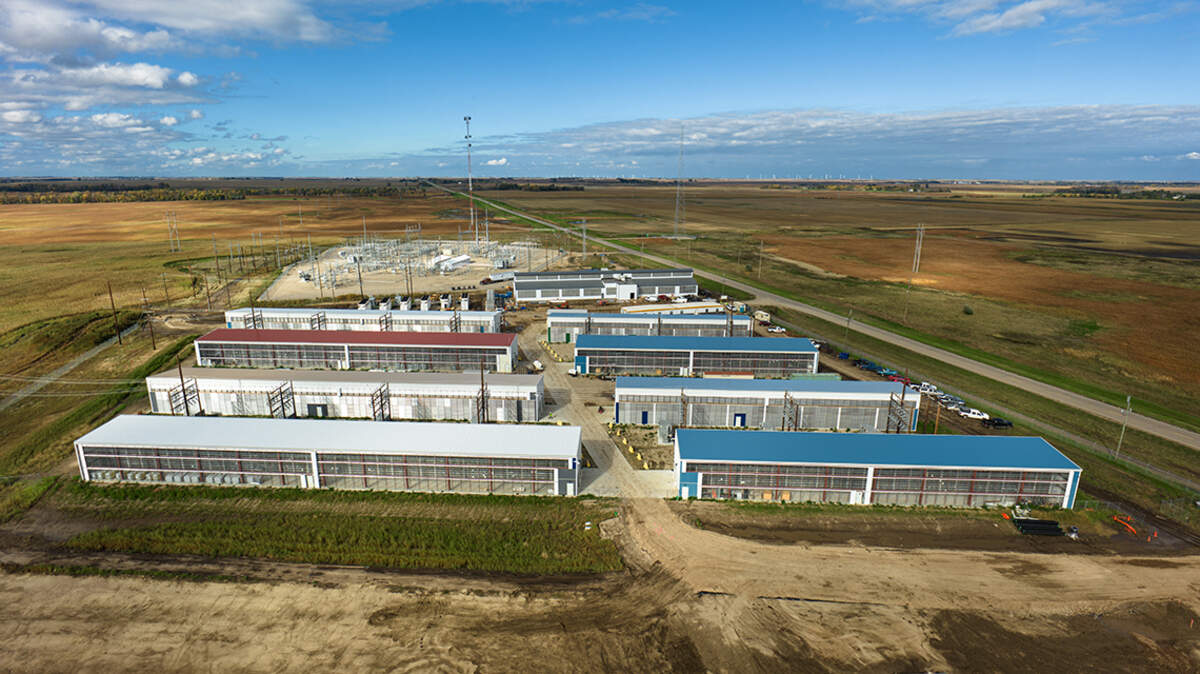
Across the Midwest, developers are buying farmland for hyperscale data centers.
These facilities have large footprints and require massive amounts of power and heavy water. They don’t create many jobs, but do drive up land prices and permanently remove agricultural land from production. In several counties, developers have offered prices that no farmer, especially a young farmer, could ever match.
Even land that stays in production isn’t safe. Developers buy the land, carve it into shares and rent it back to the same farmers who were priced out of owning it, creating a permanent tenant class. This isn’t a coincidence. It’s a business model built on the failure of our farm policy, and it’s intentional. When a local farmer buys land, the money stays in the community. When an investor buys it, the rent checks leave town before the ink even dries.
The average American farmer is nearly 60 years old. We talk endlessly about getting young people into agriculture, but we ignore the biggest barrier they face: They can’t obtain land. The latest data from the U.S. Department of Agriculture shows that only 5% of U.S. farmland is expected to be available for purchase in the next five years. That means young farmers are competing for a tiny slice of land against investors, corporations and now data center developers with virtually unlimited capital.
Missouri has felt this shift acutely. The state has lost tens of thousands of family farms since the 1970s, and the average farm size has grown steadily as consolidation accelerates. In parts of southwest Missouri, a majority of farmland is now owned by absentee landlords. Add in nonagriculture buyers such as energy companies, developers and tech data centers, and the pressure on agricultural land intensifies.
We also ask farmers to be good stewards of the land. But nearly 40% of farmland is rented, often on short-term leases. A tenant on a one-year contract can’t justify planting cover crops, building terraces or investing in long term soil health. They don’t know if they’ll even be farming that ground next year. And when farmland is converted to data centers, the land is lost to agriculture permanently. These facilities can require millions of gallons of water per day for cooling — water that once supported farms, livestock and rural communities.
This isn’t just an economic shift. It’s a democratic one. When outside interests control the land, they also control zoning fights for local control, water rights and the future of rural communities.
Farmland should not be a playground for the wealthy. It should be a place where families can build a life, where young people have a future and where communities can grow.
If we want rural America to survive, we need policies that support young farmers, limit corporate and nonagricultural land consolidation, strengthen local control and reward long-term stewardship over short term extraction. Because the question isn’t who owns the land. It’s who owns the future of rural America — and right now, too much of that future is being sold off to the highest bidder.
Darvin Bentlage is a Lawrence County, Missouri, farmer and a member of the 501(c)(3) nonprofit Missouri Rural Crisis Center.
This story was originally published April 24, 2026 at 5:04 AM.