
Reporter, blogger, YouTuber: What makes a journalist in 2026? | Opinion
Current journalism is like current warfare. They’re both asymmetrical. Take warfare. Countries used to need big ships and expensive planes to wage war. A B-2 Spirit stealth bomber costs more than $2 billion per unit. But now war can be waged using drones, which are relatively cheap. This is asymmetrical warfare.
Likewise with journalism. A newspaper press or broadcast station is a major investment, but now anyone with an inexpensive computer can have almost immediate, global distribution. This is asymmetrical journalism.
And it’s getting more lopsided with newsroom layoffs within the industry. So, we have implosion of traditional journalism, and proliferation of new, readily available means of communication.
So who should qualify as a journalist? It was a difficult question before the internet, but it’s more difficult today. What about freelancers, bloggers or podcasters who post their work online? To call someone a journalist, should we focus on the person’s purpose to disseminate information or demand employment by a news organization? If everyone who makes information public is a journalist, the definition is arguably too broad. Or maybe modern technology calls for this sweeping definition. But then what happens to standards professional journalists are supposed to honor — like truth?
Courts have long grappled with defining “journalist.” The Supreme Court declined to do so in 1972 in Branzburg v. Hayes, a 5-4 decision using the term “newsman.” The issue was whether reporters who receive a subpoena to testify to a grand jury investigating crime have a First Amendment right not to respond. The court said no and mentioned a practical consideration: If it granted a “constitutional newsman’s privilege,” then sooner or later it would need to define “newsman.”
A response to Branzburg was an uptick in states passing shield laws to protect journalists who promise confidentiality to sources from being forced to reveal those sources in legal proceedings. Currently the District of Columbia and 40 states have shield laws, but not Missouri. Maryland passed the first one in 1896.
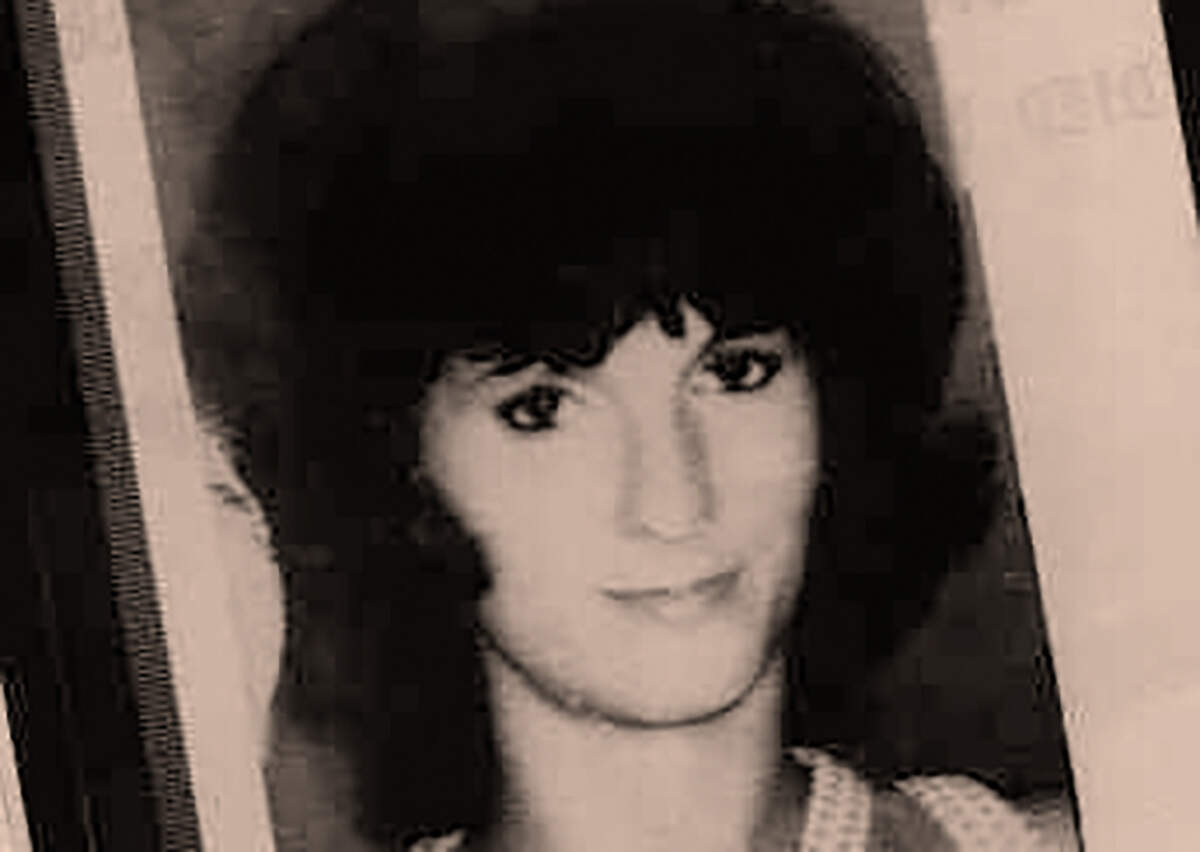
Protection for Karen Silkwood documentary maker?
Some states are more expansive in their shield law’s definition of “journalist,” and some are more restrictive. Some states use undefined terms: “newsperson,” “professional journalist,” “reporter.” Some have definitions that cover only journalists who work for traditional news media. Broader protection is available in states using the term “person” disassociated from a news organization. For example, Tennessee covers: “a person … who is independently engaged in gathering information for publication or broadcast.”
Lower courts have also come up with differing answers on who qualifies as a journalist. For example, Arthur Hirsch was making a documentary film about Karen Silkwood’s death. She worked at a Kerr-McGee nuclear power plant and then died under mysterious circumstances while driving to meet a reporter, apparently to give him information about unsafe working conditions.
In Oklahoma, Silkwood’s family sued Kerr-McGee, and then Kerr-McGee subpoenaed Hirsch. The trial court denied Hirsch protection and ordered him to divulge information he claimed he received in confidence. But the Tenth Circuit Court of Appeals concluded that for purposes of making the film, Hirsch was an investigative reporter.
Blogs, Facebook, YouTube
What about bloggers? In 2010, the Superior Court of New Jersey said blogger Shellee Hale was not a journalist covered by shield law. She was a “certified life coach” who created Pornafia, a website to inform the public about scams and technological issues in the adult entertainment industry. “New media should not be confused with news media,” the court said.
What about an independent journalist who posts his work on Facebook and his YouTube channel, Corruption Report? Justin Pulliam brought a federal civil rights suit against Fort Bend County, Texas, and some members of its sheriff’s office. He claimed free speech and equal protection violations and First Amendment retaliation from two incidents in 2021.
The first incident involved Pulliam shooting video in a park where a corpse was found. He was told to leave and go to a press conference at the park entrance. But then authorities ejected him because he was “not media” under the sheriff’s media relations policy, which said the term media “does not generally include social media.”
The second incident occurred when the sheriff’s office was conducting a welfare check on a man with mental illness and a firearm. When Pulliam arrived, the man’s mother confronted him. But Pulliam gained her permission to record video, saying he was there to ensure authorities would not harm her son. A sheriff’s sergeant repeatedly told Pulliam to get “across the street,” and ended up handcuffing Pulliam and arresting him for “interference with public duties.”
On March 27, a federal judge awarded Pulliam approximately $75,000 in compensatory damages and ruled that the county could not treat reporters who used social media differently from how treats traditional reporters.
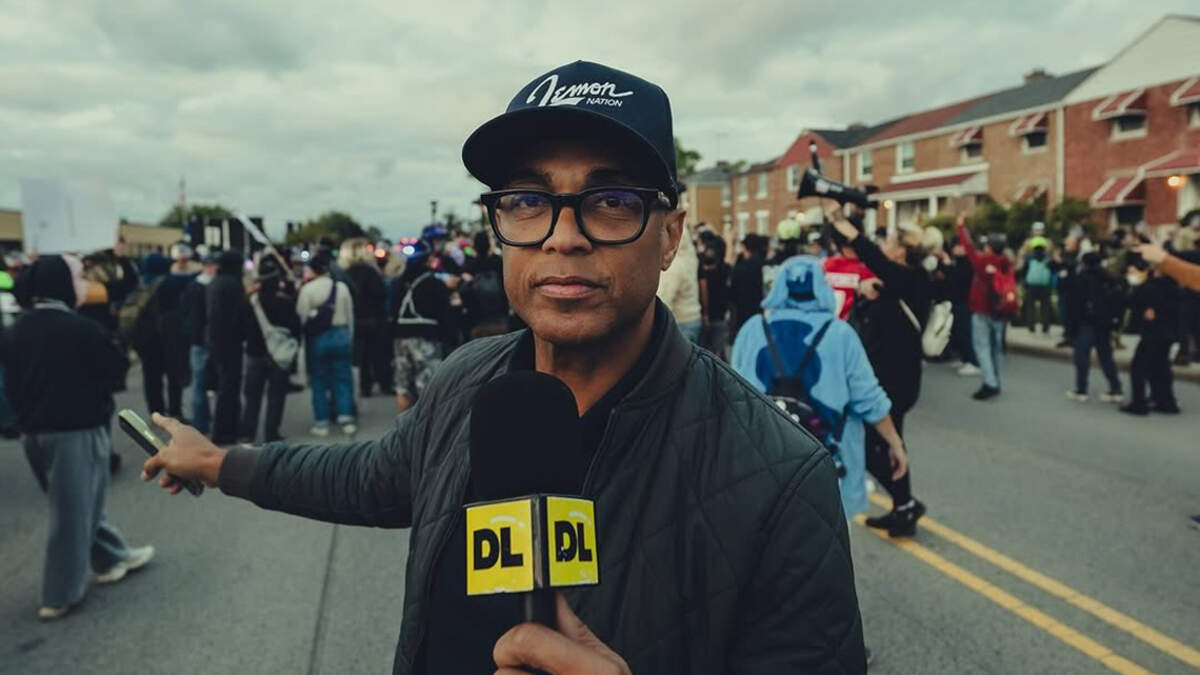
Don Lemon: ‘face of the 1st Amendment’
Still in process is a case involving Don Lemon, a former CNN anchor. On Jan. 18, he was arrested while covering a protest at Cities Church in St. Paul, Minnesota, where an Immigration and Customs Enforcement official was a pastor. News coverage showed Lemon explaining that he was not part of that protest but was a journalist covering it.
The indictment alleges that Lemon engaged in “oppression, intimidation, threats, interference, and physical obstruction” at the church and physically obstructed people from leaving in violation of the federal Freedom of Access to Clinic Entrances Act. Lemon has pleaded not guilty.
Lemon said Nancy Pelosi told him he would be the “face of the First Amendment” now. Lemon also says he is considering running for president. Yes, Lemon making lemonade.
Sandy Davidson is professor emerita from the University of Missouri School of Journalism, where she was the attorney for the Columbia Missourian for 30 years.