
Verdicts against social media companies are good news for families and kids | Opinion
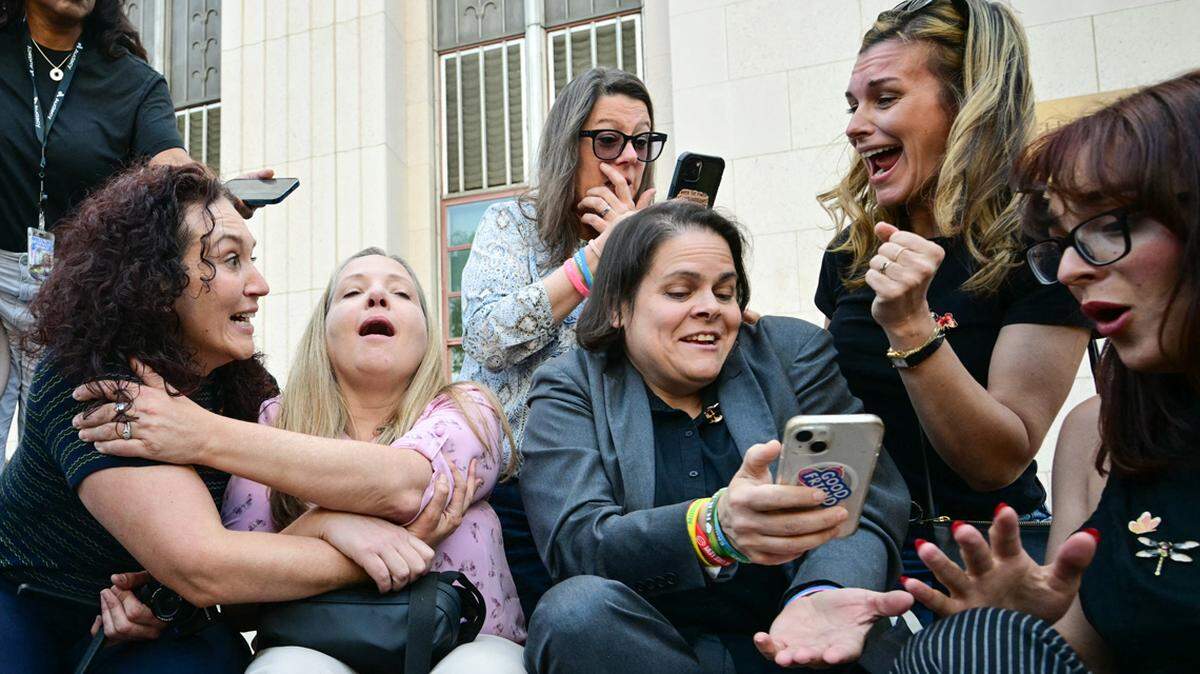
I cheered aloud, alone in my own home, earlier this week upon hearing the California jury verdict in a high-profile social media addiction trial. Shortly after, a dear friend called me from her car also celebrating the news. As a lawyer and mom of two teenagers, this week feels like a very big win for families not only in Kansas City, but all over America.
A California jury found Meta and YouTube liable for designing addictive platforms that harmed a young users’ mental health, awarded approximately $6 million in damages, concluding the companies failed to warn users about the risks. In a separate New Mexico case this week, another jury ordered Meta to pay $375 million for misleading users about platform safety and failing to protect children from sexual exploitation on its services, marking one of the largest child safety verdicts against a tech company.
These trials amplified and brought more evidence to light of what parents knew was happening all along. Consider these two emails discovered in the recent trials. One internal YouTube email revealed in the California trial states simply, “Goal is not viewership, it’s viewer addiction.” Or this internal email outlining Meta’s driving mission written by Max Eulenstein, Meta VP of Product: “No one wakes up thinking they want to maximize the number of times they open Instagram that day. But that’s exactly what our product teams are trying to do.”
Clearly, Big Tech has been doing its jobs very well since 46% of teens report they are online “almost constantly,” and American teenagers report spending about 4.8 hours per day on social media alone. As author Catherine Price points out, even at just four hours per day, that adds up to 60 full days per year, a quarter of our waking lives.
This is not about being anti-tech. Technology is all around us, and its influence and pervasiveness are only going to increase. At times, it can be an amazing tool to form connections and make our lives more efficient, creative and productive. But that’s not what these cases are about. As author Jonathan Haidt explained: “This bellwether case tested a new legal theory: The harm is not just what algorithms show children, but rather that these products were designed to foster addiction. The companies knew they were harming children by the millions-and did it anyway.”
Parents have been in the trenches, battling this addictive technology every single day. After school. All weekend long. And our opponents aren’t amateurs — they’re thousands of the best child psychologists in the world who wake up with a singular mission to design addictive technology. That’s because the longer your child scrolls, the more money these companies make. It’s that simple.
But the cost has been staggering. This addictive technology has eroded our children’s attention spans and mental health. And for some of the families who came forward in these trials and the trials that will follow, it has led to the unthinkable — the loss of a child.
Thankfully, the tide is turning and awareness is growing. Thanks in large part to Haidt and his groundbreaking bestseller “The Anxious Generation” and the movement that followed, 40 states now have phone-free school policies. I had long given up on politicians doing anything meaningful to protect kids online before mine were fully grown adults. These new verdicts gave me a reason to reconsider.
But this week, the win belongs to the two juries and, most important, to the brave families who stepped forward and have had to relive their tragedies multiple times in an effort to bring these cases forward. In the middle of unimaginable pain, these families created a lasting legacy for their children, and they gave parents like me — cheering from our living rooms — real hope that the momentum might finally shift toward safer technology for our kids.
Katherine Coughlin was an attorney at the United States Department of Justice, Civil Division, and worked in the U.S. Senate. She is now a technology consultant, a mom of two teenagers and a 17-year resident of Kansas City.