
Mark Twain was right. Want to sell a book? Ban it | Opinion
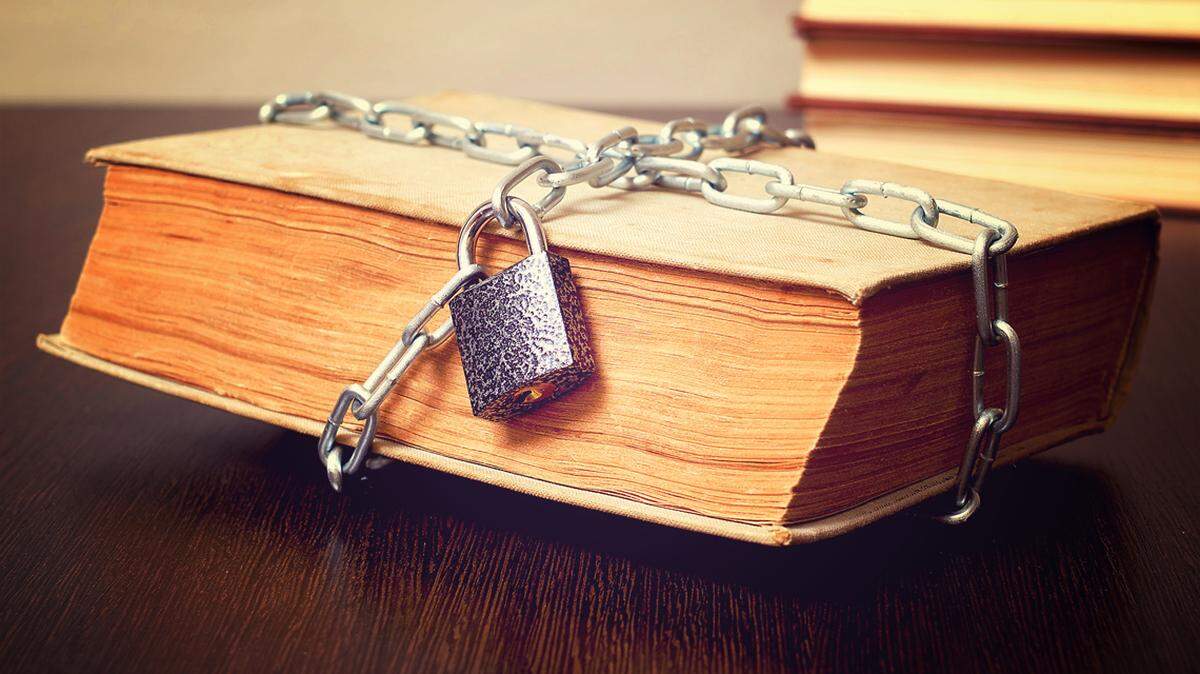
Have you ever known a solution in search of a problem? Imagine inventing the wheel and wondering what to do with it. Or the nail in search of a hammer. Or a book in search of someone to read it.
When the printing press was invented in 1436 A.D., only a few people knew how to read. Thus, the solution was figured out before the real problem became apparent: A book actually needed people to know how to read it.
Slowly, the problem was solved. As more books were printed, more people began to read. In 1518, along came the first best-selling author in history — Martin Luther of Protestant Reformation fame, who sold more than 5,000 copies in two weeks of the German-translated version of the New Testament Bible.
How I long for the old days of the 1500s when books became bestsellers because people actually wanted to buy and read them. Alas, that was then and this is now. Consider how upside down kooky bizarro the world has become with the newest latest greatest form of marketing books: banning them.
And what are we banning? Kids’ books. And why are we banning them? To protect our kids. And what’s the result? Bestselling books. Why?
Missouri’s famous son Mark Twain so brilliantly exclaimed, “The more things are forbidden, the more popular they become.”
What’s the best way to inspire kids? Tell them what they cannot do. Because somewhere in the depths of childhood DNA is the immediate reaction to question why something is forbidden. Unlocking the door to forbidden knowledge means there’s something behind the door worth unlocking — right?
Why ban books? Because the problem is books might make us think, in particular our kids. Thus, we must protect them from thinking. And the solution is to prevent them from reading books.
But wait — it gets even better. As of 2026, 25 million U.S. children cannot read proficiently. Only 33% of fourth graders read at or above their grade level. Only 39% of 9-year-olds read for pleasure daily in 2022, down from 53% in 2012. And 1 in 3 children entering kindergarten lack basic reading skills. The end result is that the 1 in 6 not reading proficiently by third grade fails to graduate high school on time.
Missouri ranks third in the nation for schoolbook bans in 2022, with 315 books removed in just six months across multiple school districts. States such as Florida and Texas lead the nation with more than 1,000 and 600 banned books, respectively.
Kids are reading less than ever, so the idea is to ban books that aren’t being read because kids don’t read books anymore.
Hmmm.
As a kid, I always loved the word “oxymoron” even before I knew what it meant because I definitely knew what a moron was. Or in our case, oxymoron means a particular phrase containing two or more words of conflicting concepts such as, “bestselling banned book.”
Of course, social media, the internet and smartphones have nothing to do with our kids not reading or finding everything they don’t need to read. Why turn to books when you can find everything stupid and inane everywhere else?
Oxymoron is beginning to sound less moronic than ever.
But what are these bastions of bestselling banned books? Let’s start with the best bestseller: “1984.” Throw in a dash of “Great Expectations.” Add one part “Huckelberry Finn,” half a “Harry Potter” and top it off with a “To Kill a Mockingbird.” Let’s not forget “Captain Underpants,” “Goodnight Moon,” “Where the Wild Things Are” and “Where’s Waldo?”. And the super-scariest of them all: “Green Eggs and Ham” and the Bible.
Looks like there’s only one real solution to reinspiring our kids to read again. We know what works. Let the banning begin
Carew Papritz is author of “The Legacy Letters.”