
New Chiefs stadium in Kansas would be a huge boost for jobs and the economy | Opinion
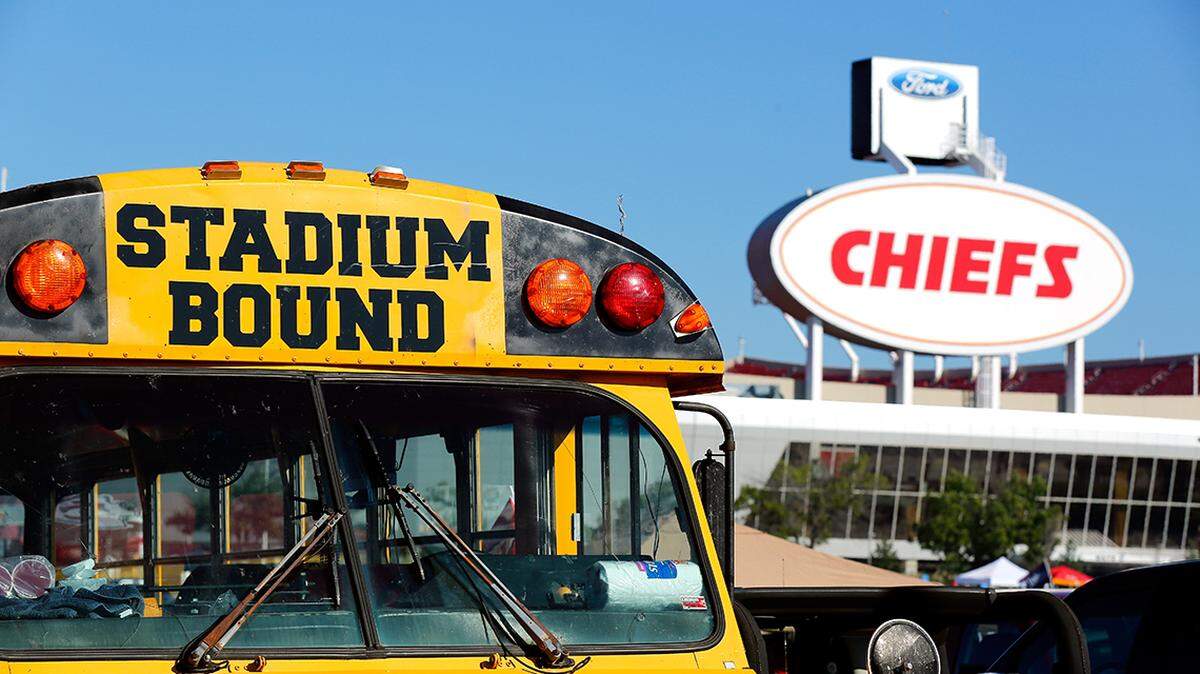
As organizations representing working men and women across this state, labor unions believe it is important to respond to state Sen. Cindy Holscher’s recent Star guest commentary changing her position on the Chiefs stadium project in Kansas. This is not to engage in partisan gubernatorial politics, but to ensure the conversation is grounded in facts and in the real economic opportunity this project represents for Kansas workers.
Let’s get one thing straight: Twenty thousand new jobs coming to Kansas over the next several years is a good thing. It is a great thing. In fact, you could say it’s a once-in-a-generation thing.
That is what Kansas will be getting with the Chiefs’ decision to build their new stadium, training facility and team headquarters in Kansas.
Together, the Working Kansas Alliance represents 500,000 workers across the state. We take pride in ensuring that skilled, trained professionals have reliable, well-paying jobs they can raise families on — jobs just like the 20,000 positions expected during the stadium’s construction phase alone. Those jobs mean paychecks for Kansas families, apprenticeships for young workers entering the trades and economic activity that supports communities across the state.
In her commentary, Holscher argues against the deal because she says it redirects “new state sales tax revenue” to cover part of the cost of the stadium. The key word there is “new” — because the fact is, the only taxpayer funds that will be used to cover stadium costs would come from the new revenue being generated by the stadium itself and new development in nearby areas. Not one dollar will be taken from schools, law enforcement or other budget needs at the county or state level.
That’s how STAR bonds work — and why this is a very good deal for Kansas taxpayers.
Sen. Holscher knows that. Why do we say that? Because she voted for it.
She voted with the vast majority of the Legislature in support of giving the state the authority to negotiate this deal with the Chiefs. In fact, her vote authorized the state to offer more public support than the final agreement provided.
Her guest commentary also compares the stadium proposal to the failed tax policies of former Gov. Sam Brownback. That comparison simply does not hold up.
The Brownback tax experiment weakened Kansas’ budget because it centered on broad tax cuts for the wealthy that reduced state revenue. The stadium proposal is fundamentally different. Instead of reducing revenue, it is designed to generate billions of dollars in new economic activity through tourism, construction, events and surrounding development
The Brownback experiment placed Kansas in the national headlines for the wrong reasons. By contrast, a world-class stadium complex has the potential to make Kansas a national destination for sports, entertainment and tourism.
Beyond the construction phase, the long-term benefits are equally significant. A modern stadium would allow Kansas to host events that currently go elsewhere — Super Bowls, major concerts and national conventions. Every one of those events means jobs: jobs planning events, jobs staffing events, jobs in hospitality, transportation, maintenance and operations.
Kansas has long been a state that builds things — railroads, infrastructure, manufacturing plants and communities that grow around them. Projects such as this new stadium represent an opportunity to continue that tradition while positioning Kansas as a national destination for sports, entertainment and tourism.
Ty Dragoo is chairman of the 501(c)(4) nonprofit Kansas Working Alliance, whose member organizations collectively represent more than 500,000 working Kansans.
This story was originally published March 13, 2026 at 5:08 AM.