
He was moving as surgeons were about to take his organs. We can prevent that | Opinion
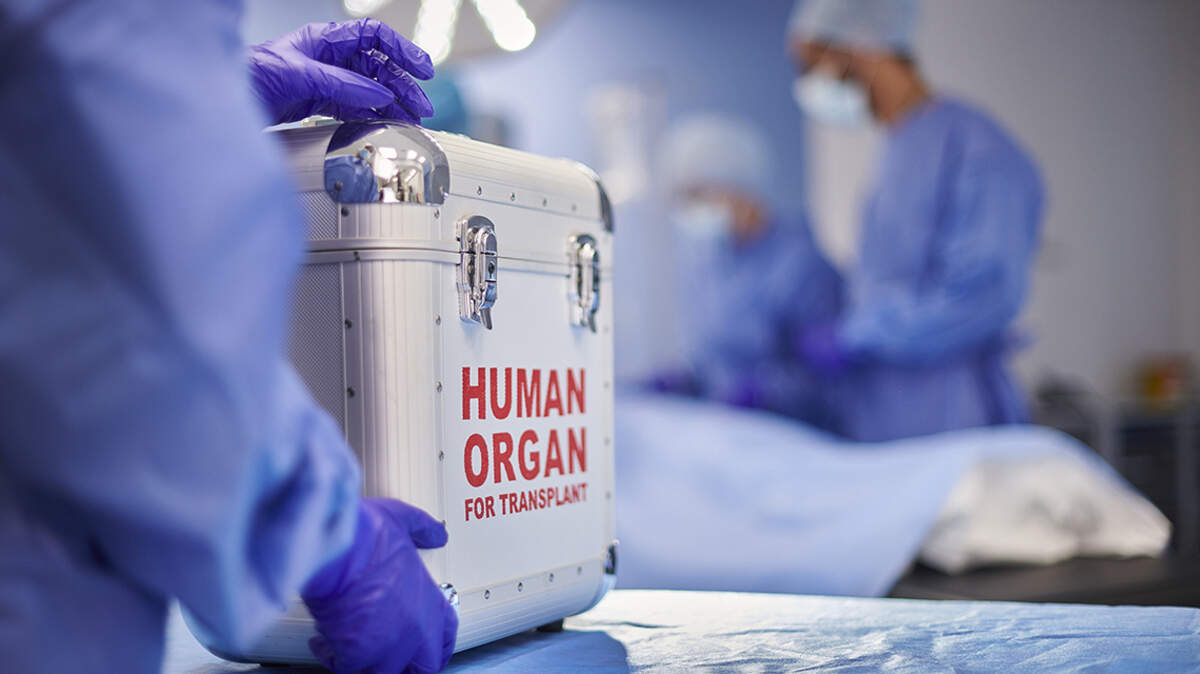
It was 2021 when Anthony Thomas “TJ” Hoover was wheeled into an operating room in Kentucky to donate his organs. He had been declared brain dead — but he was still crying and moving. The procuring surgeon refused to touch him and the operation was canceled. Just the day before, he’d been in the lab for a heart catheterization to see if his heart was good for donation. He woke up during that procedure.
“I’ve dedicated my entire life to organ donation and transplant,“ said Nyckoletta Martin, an organ preservationist. “It’s very scary to me now that these things are allowed to happen and there’s not more in place to protect donors.”
The 1980 Uniform Determination of Death Act has provided the legal basis for determining death by neurological criteria. The American Academy of Neurology provided guidelines in 1995 for brain death determination and they were revised in 2010, but nationwide adherence to these guidelines has been variable.
This inability to follow guidelines could violate the so-called “dead donor rule,” which states that a person must be dead before donating organs.
In a 2016 study, David M. Greer noted that out of a total of 508 unique hospital brain death policies he was able to obtain, 492 provided adequate data for analysis. They showed variables in testing of hypotension, hypothermia, clinical examination, apnea testing, appropriate ancillary testing and exactly who determines brain death.
“Hospital policies in the United States for the determination of brain death are still widely variable and not fully congruent with contemporary practice parameters,” he concluded. “Hospitals should be encouraged to implement the 2010 AAN guidelines to ensure 100% accurate and appropriate determination of brain death.”
Later in a 2020 study, he concluded that national accreditation bodies could be a key ally in ensuring that proper policies are in place at the hospital level.
This could be accomplished by the Joint Commission, a nationwide nonprofit that already certifies and accredits thousands of health care organizations. It has been recognized by the Centers for Medicare and Medicaid Services as having standards that meet or exceed Medicare’s requirements, with a survey process that is comparable to the government’s. Under the Joint Commission’s rigorous surveillance, hospitals that do not meet brain death testing standards would lose Medicare and Medicaid funding.
As a retired surgical technologist who has worked organ retrievals, and as Kansas was the first state to enact a uniform determination of death act in 1970, I’m advocating for the patients who give the gift of life. They are not just donors, but loved ones — and they have no voice. We must speak for them.
Join me. Please reach out to Sen. Roger Marshall at 202-224-4774 and Sen. Jerry Moran at 202-224-6521. Ask them to urge their colleagues to give the Joint Commission authority over hospitals for brain death testing regulation.
Keri Strahler is CEO of the 501(c)(4) nonprofit Shawnee County Mercy Advocates. She also serves on the PAIMI Advisory Council for the Disability Rights Center of Kansas.