
Kansas City World Baseball Classic fans, remember this Negro Leagues great | Opinion
Baseball fans, get ready: The World Baseball Classic returns next week for the first time in three years. As we root for Team USA to bring home the crown, we’ll also embrace other premier talent from around the globe including Mexico, Puerto Rico, the Dominican Republic, Venezuela and the defending champion Japan. You see, there’s a common, shall we say global thread that connects them all: the Negro Leagues.
This year, I’ll specifically be taking a special interest in Cuba. This isn’t only because of its star-studded bullpen featuring star pitcher Liván Moinelo and closer Raidel Martínez. But more important, I’ll pay homage to one of the most important players in the island’s history with a unique Kansas City tie.
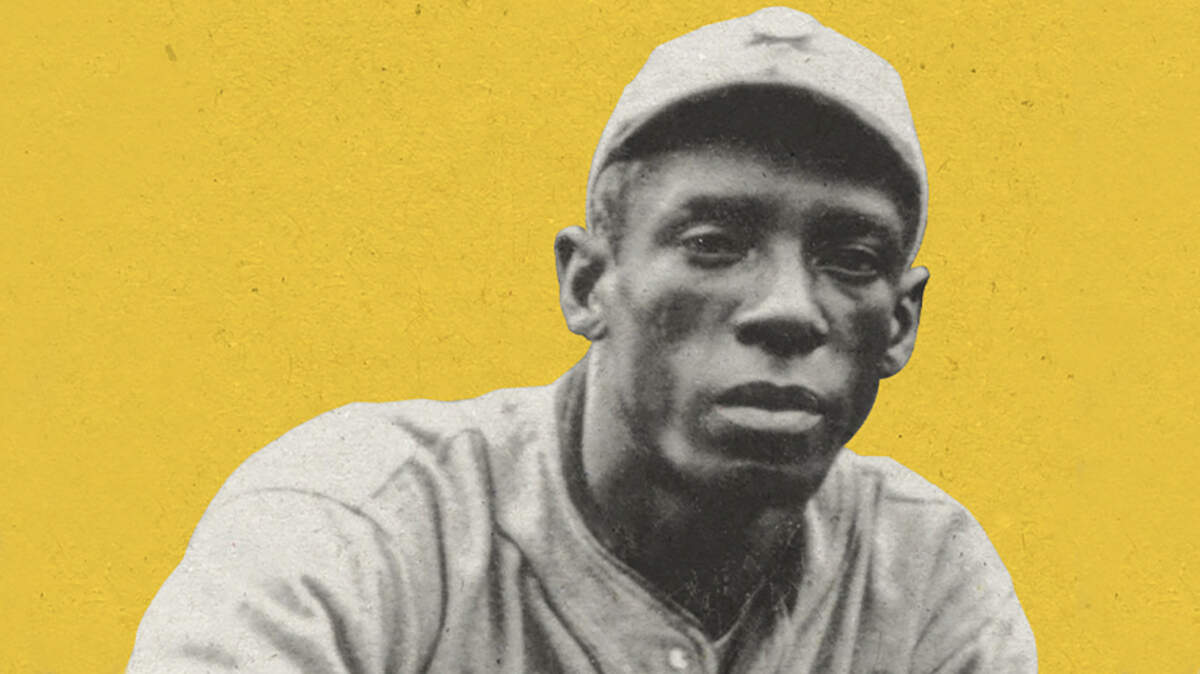
That’s José Méndez.
If the name is not familiar to you, it should be. After all, the late legendary pitcher starred in the Negro Leagues for the Kansas City Monarchs as both a player and manager during the 1920s, long before Jackie Robinson’s Brooklyn Dodgers debut in 1947. Méndez, who was inducted into the National Baseball Hall of Fame in 2006, still is considered one of the greatest pitchers of his era.
Nicknamed “El Diamante Negro” or “The Black Diamond” for his dominance on the mound, he led the Kansas City Monarchs as a player-manager to the first Negro League World Series championship in 1924. It was there against the Hilldale Club (of the Eastern Colored League) where he famously pitched a complete game shutout in the final of the series. This is more than 100 years ago when Kansas City began to blossom — spurred by economic development projects such as the Country Club Plaza — and, of course, when the 18th & Vine District was epicenter of Black life.
Before Méndez was striking out players at Muehlebach Field (later renamed Municipal Stadium), he had already cemented himself in Cuban baseball lore as a flame-throwing righty. Think Pedro Martinez. He was a standout for the Cuban Stars of the Negro Leagues from 1908 to 1912. In the fall of 1908, in the middle of the Second Occupation of Cuba, Méndez pitched the games that established him as a legend. The Cincinnati Reds were visiting Havana playing Cuban League teams, and Méndez completely dominated, pitching 25 consecutive scoreless innings in three dazzling appearances. And, although segregated from participating in the majors, he was among the early stars of the Negro Leagues who earned the white players’ respect.
His uncanny ability to outduel Major League competition with far less support and resources not only put him in the international spotlight, but also helped make him a Cuban hero. It has made him, along with the legendary Martin Dihigo, one of the founding fathers of Cuban baseball who paved the way for Tony Perez, Orlando “El Duque” Hernandez, José Canseco, Rafael Palmeiro and others. The ace’s impact was felt across Cuban winter circuits for years with memorable performances on the island before he finally made his way to Kansas City.
It was here later in his career, where he signed as a playing manager with Monarchs, a squad part of the newly formed Negro National League. The team was founded and owned by J.L. Wilkinson. The Baseball Hall of Fame owner (who later signed Robinson to his first contract in 1945) made a great investment as Méndez showed off his leadership skills in this hybrid role, where he spent more time covering the infield as a versatile shortstop than a fastball pitcher.
The championship title and three Negro National League pennants in his years with the Monarchs are just a small part of his legacy. But we cherish them as it established our team as one of the best teams of the era — long before the Royals.
The metropolitan Kansas City area is home to thousands of Cubans who should be particularly proud to watch the national team go for the title during the WBC. And they, like all of us, should take a moment to remember one of the greatest Cuban players ever when we tune in to watch. The players who will take the field owe a great deal to Méndez, who helped put KC on the baseball map.
Bob Kendrick is president of the Negro Leagues Baseball Museum in Kansas City.