
Prediction markets work just like gambling. Kansas, regulate them the same | Opinion
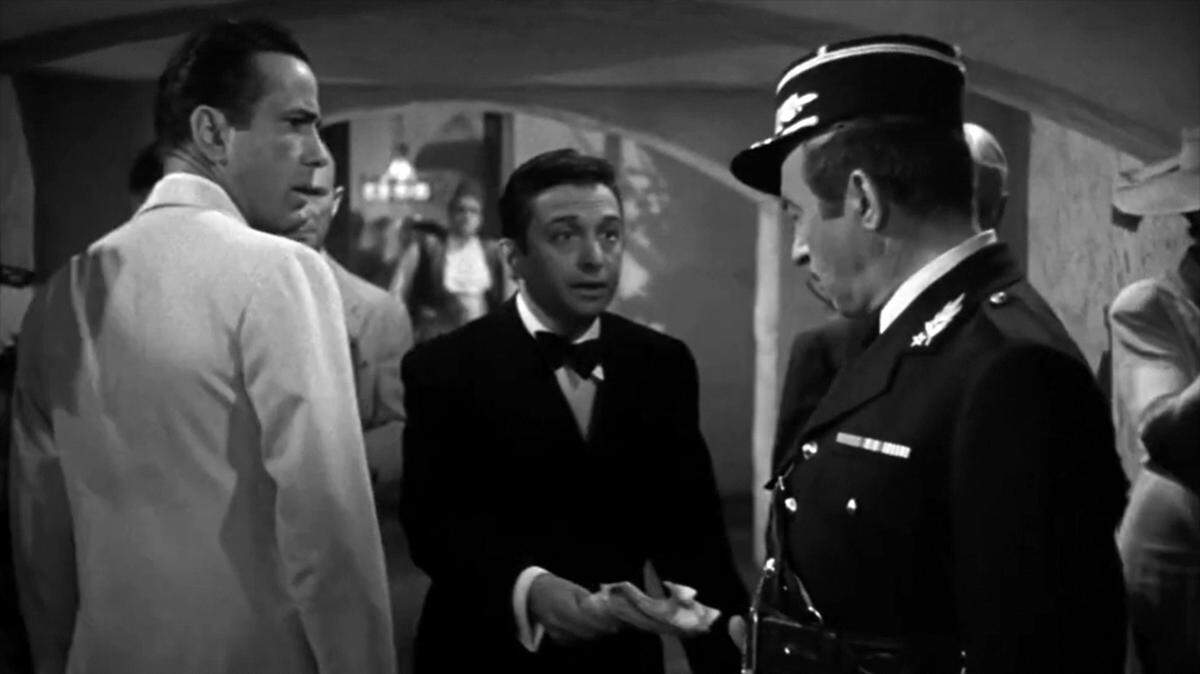
I was watching the movie “Casablanca” last week, and I again laughed at the line from corrupt police chief, Louis, played by Claude Rains. To keep the occupation leadership happy, Louis closes down Rick’s Café by telling Rick, “I’m shocked — shocked — to find that gambling is going on in here!”
A croupier then comes up to Louis and hands him cash: “Your winnings, sir.”
The scene reminded me of what is happening with prediction markets today. Prediction markets currently operate with federal oversight by the Commodity Futures Trading Commission, which calls them “designated contract markets.” Under prediction markets, users trade contracts on any manner of incidents, from election results to sporting events or what the Dow will finish at on any given day. Oh, and the Commodity Futures Trading Commission doesn’t consider that as a gaming (or gambling) activity.
To me, that position doesn’t pass the smell test — but it does pass the quacks and walks like a duck test. I served on the Kansas Racing and Gaming Commission, worked with 34 different lotteries in my career and introduced a sports betting bill when I was in the Kansas Legislature. To me, a prediction market looks, smells and walks like gaming.
But, under the CFTC, prediction markets operate with few, if any, restrictions on trading. When will someone announce, “Prediction markets are gambling?! I am shocked — shocked!”?
Some states are taking a look at prediction markets to make an effort to exercise a modicum of control over the gaming involvement. Large prediction market companies such as Polymarket, Kalshi and PredictIt, counter by saying that the positions are contracts between people and do not meet a definition of gambling. They offer a binary yes or no position on myriad events.
By the way, if you are interested in participating in a prediction market, there is a position out there as to whether Jesus Christ will return by Jan. 1, 2027. As I write this, 4% are buying the yes position.
Who should regulate prediction markets, if regulation is needed? State gaming commissions are in place and regulate sports betting and casinos. These entities are in the best position to control gaming in their state. The CFTC has removed many controls under the new administration and show no inclination to be involved with further regulation.
State-regulated gaming such as lotteries, casinos and sports betting were approved in order to generate revenue for states. Prediction markets are clearly competition — and in many cases, replication of state gaming. Additionally, federal oversight puts gaming into states that may not approve of gaming in any manner. Prediction markets are an affront to local control in addition to current lax federal oversight.
Jan Kessinger served from 2017 to 2021 in the Kansas House of Representatives, where he sponsored legislation on sports betting.