
Our KC church knows the battle against drugs, homelessness from experience | Opinion
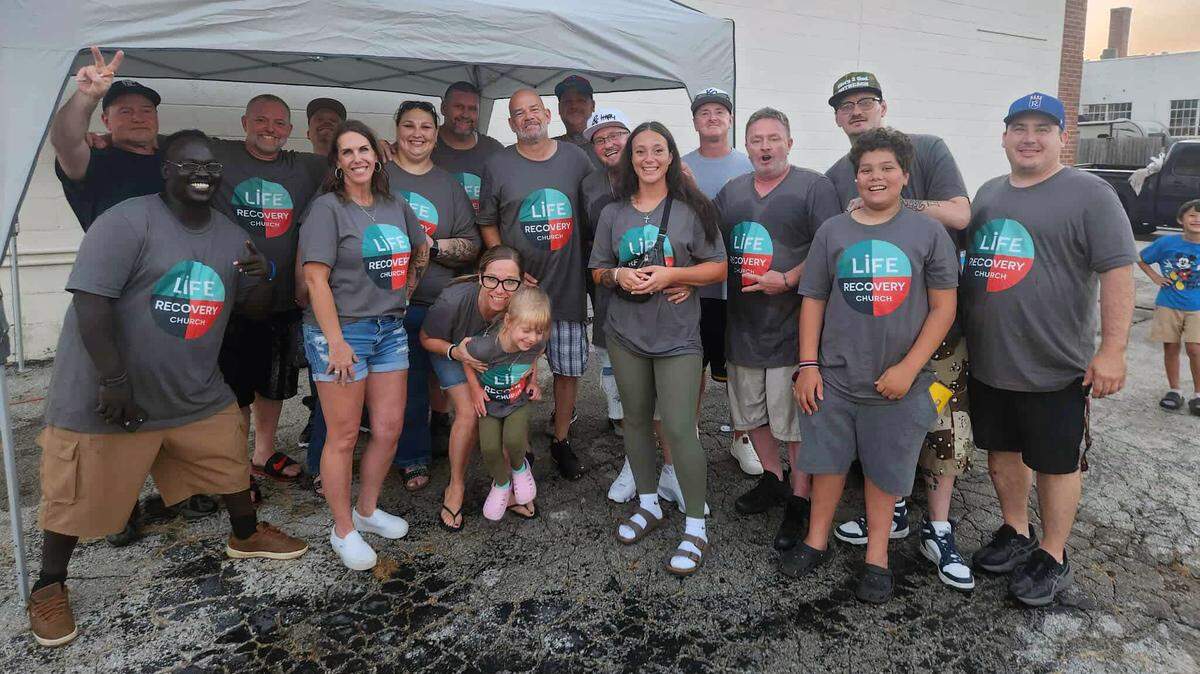
Seven months ago, I was a woman drowning in addiction, domestic violence and unstable housing, fighting to keep my child while trying to rebuild a life that felt hopeless.
Today, I’m a certified Missouri Peer Specialist, working toward an addiction ministries certificate. I have my daughter, housing and a healthy relationship, and I am part of the leadership team at Life Recovery Church — the same church that helped save my life. My story is living proof that recovery is possible. But my work reminds me daily that too many people in our city don’t find that support.
Fentanyl has rewritten the landscape of our metropolitan area. It’s not just a drug problem — it’s a mass casualty event in slow motion.
Under the bridges, behind the motels and in the woods, you’ll see what I see every month: tents collapsing in the cold, people clinging to their life, and a drug supply so poisoned that one mistake is a death sentence. And the faces keep getting younger.
We meet young adults carrying pain that looks decades deep, who have already overdosed multiple times, trying to survive another night outside. Many of them left unstable homes with no safety net. They don’t know how to get an ID, how to apply for Medicaid or even what treatment options exist. They’ve never had an adult walk them through a form, let alone a system.
That’s the part people don’t see. It’s not just addiction. It’s a generation of young people who have never been taught how to navigate the world, and who are now trying to survive in the deadliest drug environment we’ve ever seen.
At Life Recovery Church, we don’t talk about this crisis from a distance. We were born from it. Our lead pastor, Tommy McGee, spent 20 years battling addiction and incarceration. In 2023, he buried his brother after a fentanyl overdose. Many of our members have similar stories. This isn’t a ministry built on theory. It’s built on lived experience.
Once a month, we load a box truck with supplies. Then we head straight into the places where the homeless are trying to survive: public libraries, encampments and abandoned structures.
We don’t hand out resources from a distance. We kneel down, pray and listen. We connect people to resources. Because most of our volunteers are alumni of various recovery programs, we know exactly how to navigate the maze of treatment that overwhelms those who are already drowning.
We act as a living bridge — walking people to the door of the resource they need, not just pointing them toward it.
And when it comes to the young ones, that bridge is often the difference between life and death. They don’t need pamphlets. They need people. They need someone who will sit with them, explain the steps, make the calls and walk beside them until they believe they’re worth saving.
This crisis won’t fix itself. We need boots on the ground — people equipped with compassion, and the willingness to walk into the places where hope feels impossible.
Right now, this city needs more than buildings. It needs lifelines. And we’re determined to be one.
Rachel Drey is outreach coordinator for Life Recovery Church at 415 N. Sterling Ave. in Sugar Creek. The church accepts donations for clothing and hygiene items, and welcomes volunteers to join its outreach on the second Saturday of every month at 9 a.m.