
KC-area program will help kids disconnect from smartphone distractions | Opinion
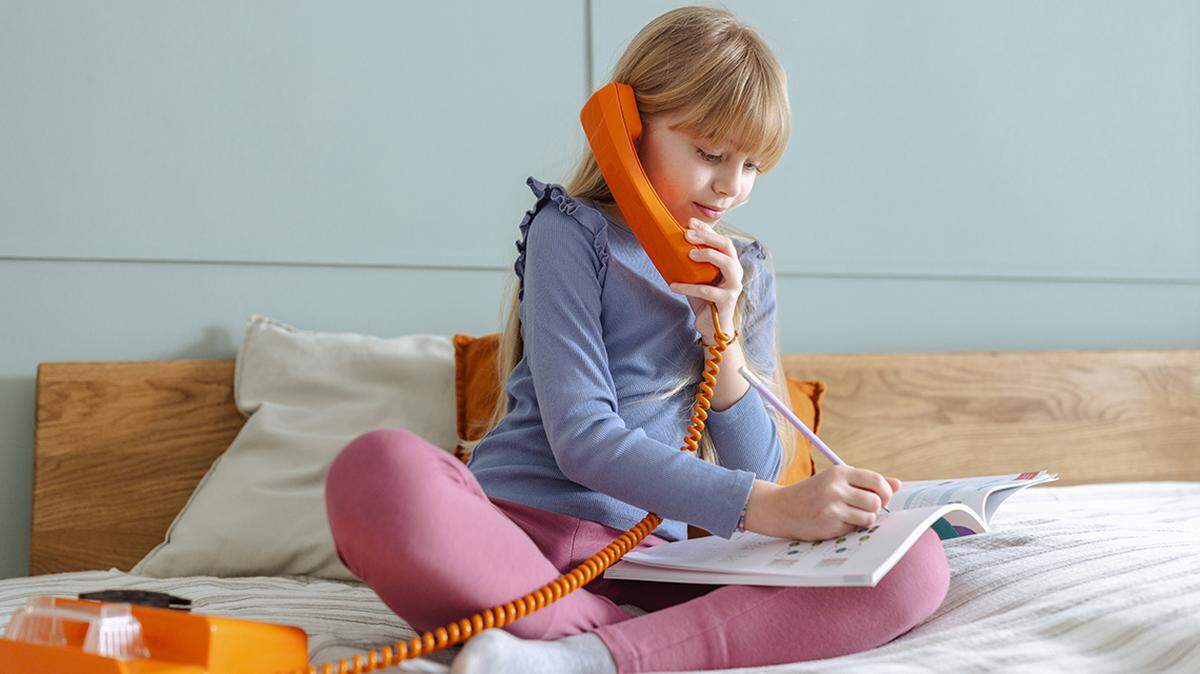
Not long ago, childhood sounded like this: a phone ringing in the kitchen, a child nervously asking, “May I please speak to …,” a call to invite a friend over, or a conversation with a grandparent. Before smartphones and tablets were part of childhood, the landline was how kids learned to communicate. It offered connection without distraction — independence without overload. And we all had one.
Today, many parents feel caught between wanting their children to build those same skills and feeling pressure to introduce smartphones earlier than they’d like. Research continues to raise concerns. A recent study in the journal Pediatrics found that smartphone ownership in early adolescence was associated with higher rates of depression, sleep problems and obesity.
And yet, many families still hand over smartphones earlier than they intend — not because they feel confident about it, but because they don’t want their child to be “the only one” without one. Author Jonathan Haidt calls this a “collective action problem.” Individually, parents hesitate. Collectively, it becomes hard to resist.
In one Kansas City–area school community, parents are trying something different: coming together in the first schoolwide landline initiative of its kind in the country.
On Feb. 23, families connected to Nativity Parish School in Leawood will mark the launch of Project Landline — a parent-led initiative providing a voice-only landline phone to every kindergarten through fifth grade household in the school. The program will kick off with a community celebration at a local roller rink, where kids will skate with friends and families will receive their landline phones, along with expert-created resources designed to help them talk about phone etiquette, approved contacts, quiet hours and responsibility.
A landline may feel simple, but it was once the most powerful device in our homes. It gave kids autonomy: the ability to make plans, solve small problems and connect with people beyond the immediate reach of their parents.
Today, many children can’t communicate without an adult acting as an intermediary — texting another parent, arranging play dates or passing along messages. A landline restores that independence in an age-appropriate way. With it, kids learn to initiate conversations, listen, ask questions and navigate everyday social moments using their voice.
Tin Can phones show voice communication matters
Voice-based communication matters. Unlike texting, it allows kids to hear tone, practice real-time interaction, and experience the physical sense of being heard and connected. Starting with a landline helps children build these foundational skills — without the constant notifications, comparisons and pressures that come with smartphones. The success of the Tin Can voice-only phone system for kids shows there is an appetite for this type of device.
By starting with simpler tools, families can practice setting expectations, talking through boundaries and building confidence together. Those early conversations and skills create a strong foundation — making it easier to introduce more complex technology later, when kids are developmentally ready for it.
What makes Project Landline notable isn’t just the phones. It’s the fact that an entire community is doing this together. When families move in the same direction, it removes pressure from individual parents and creates space for healthier choices to stick.
Screen Sanity, an international nonprofit headquartered in Kansas City, is supporting this pilot with training and resources, but the momentum is coming from parents themselves — parents who want their kids to grow up connected, confident and capable. Project Landline is one small example of what can happen when families ask a different question: not “How soon should my child get a smartphone?” but “What skills do we want them to build first?”
The phone is ringing. Kansas City families are answering — together.
Tracy Foster is the co-founder and CEO of Screen Sanity, an international 501(c)(3) nonprofit based in Kansas City that helps families navigate emerging technologies such as smartphones and social media. She lives in Overland Park.