
If Missouri slashes developmental disability funding, it will hurt you, too | Opinion
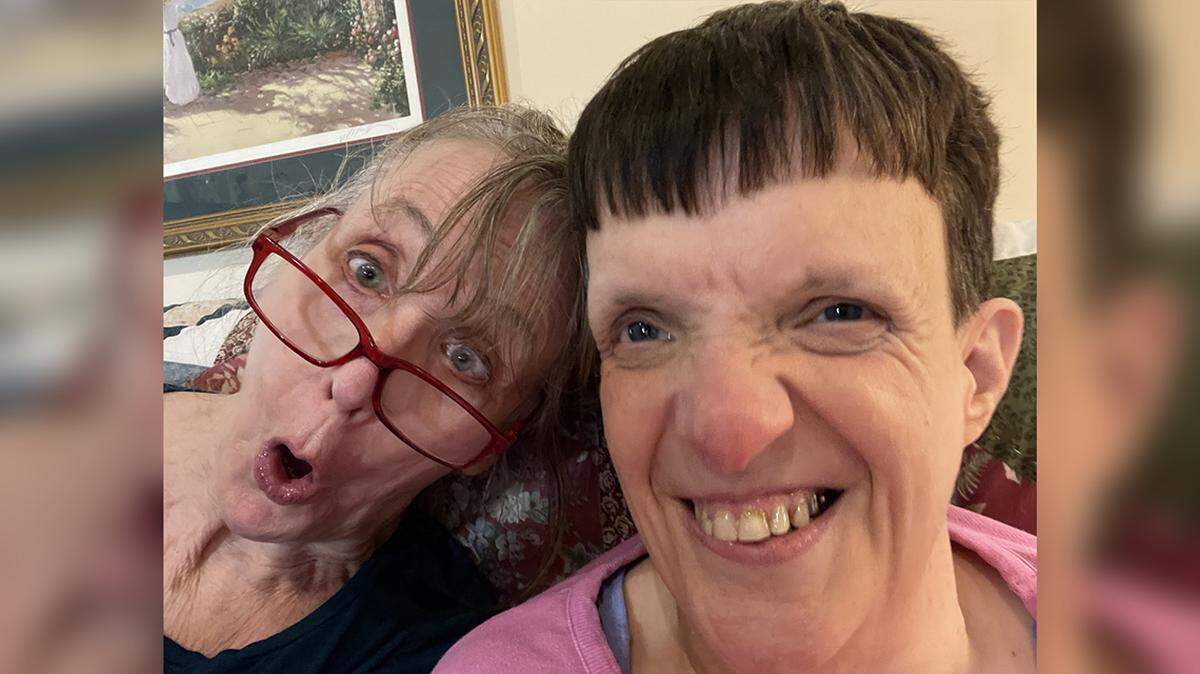
I am my sister’s keeper.
My baby sister Nancy is 60 years old. I am her guardian, and our sister Susan is her primary caregiver. Born with cerebral palsy and profound intellectual deficits, Nancy cannot marry, make her own health care decisions or vote. She does not understand Bitcoin or rush hour traffic or politics.
My mother used to take her to political town halls and fundraisers so the candidates could meet a person with developmental disabilities or DD. Nancy worked those rooms like a pro — shaking hands, giving hugs, posing in pictures. And if a candidate stopped being human and started to pontificate, Nancy would walk away.
Oh, to be talked at by a pompous water balloon and have the integrity simply to walk away.
Nancy is one of more than 3,500 people in Missouri’s Self-Directed Supports program, under the developmental disabilities division of the Department of Mental Health. Self-Directed Supports allows people with developmental disabilities and their parents or guardians to manage their own care by providing funding for caregivers, special equipment and services not covered by Medicaid or Medicare. It also helps with community specialists who help connect families to necessary services.
Nancy is fortunate. She lives at home with Susan. Her second caregiver, Steffi, is a devout Christian who feels called by God to help our family. Susan and Steffi have special training to manage Nancy’s needs, while keeping her active, healthy and safe. They do their jobs without sick pay, vacation or other benefits.
Nancy goes to an outstanding day program called Developing Potential, Inc. Clients spend their days in a range of activities and outings. The staff are kind and trained to accommodate their clients’ wide spectrum of mental, physical, and emotional needs. Day habilitation DD programs statewide are funded by the Department of Mental Health.
Every DD program and service has a long waiting list. Missouri is not meeting the current needs. Yet the plan is to do less. The current budget proposal demands drastic cuts to all DD programs and services.
Staff for day programs like Developing Potential would have their pay cut by 33%. Caregivers like Susan and Steffi would have their pay cut by 31%. If Steffi can’t pay her bills, then despite her faith, she will have to quit.
Funding for special equipment, services and community specialists has been completely eliminated.
Without day programs, caregivers, necessary equipment and service, the burden of care for many families will become impossible, and their DD loved ones will have to be placed in an institution or nursing home. Nursing homes are not equipped to replace friends and family.
Financially, these cuts make no sense. In 1999, the Supreme Court ruled states must provide community DD services and that unnecessarily institutionalizing DD people is illegal. Living at home with community care is significantly cheaper than institutionalization. The annual Self-Directed Supports cost per person is approximately $48,500. The cost of care for one institutionalized person can be from $200,000 to almost $600,000, according to the state’s own figures. If one-tenth of all SDS recipients are institutionalized, the cost to the state of Missouri could exceed $200 million. That’s not counting the lawsuits.
You don’t have to care about disability rights or personal stories about my sister. Maybe people with developmental disabilities freak you out. Maybe you’ve got enough on your plate and you just can’t worry about helpless strangers being stuck in institutions. The cuts to DD services will still affect you. The cost of institutionalization and lawsuits will come from your state and federal taxes.
If you can have a moment, please email your legislators and ask them to make the honorable choice, the fiscally responsible choice, to oppose all cuts to developmental disability services.
Kat Meltzer grew up in Independence and Kansas City. She is a writer and artist based in California, and spends half the year in Lee’s Summit because she likes her sisters.