
Railroads bring prosperity to Kansas City. That success isn’t guaranteed | Opinion
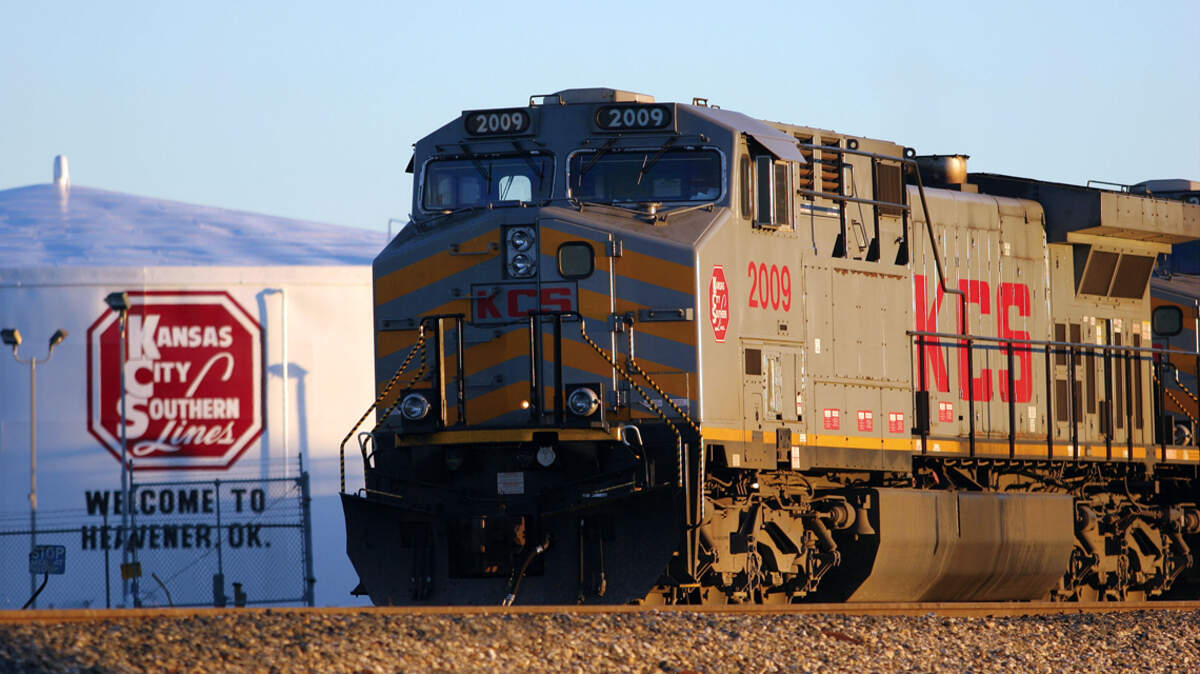
Kansas City has long been defined by movement — of goods, people and opportunity. As America approaches its 250th anniversary, it is worth reflecting on how freight rail helped make that movement possible, transforming Kansas City from a river town into a vital transportation hub.
Its location at the crossroads of east–west and north–south trade routes, combined with access to the Missouri River, made Kansas City a natural gateway between the agricultural heartland and national markets. It’s also where all six Class I railroads intersect. That legacy remains central to Kansas City’s economy and to America’s supply chain.
Kansas City also understands that transportation investment drives economic vitality. The return of the streetcar reflects a recognition that well-functioning transportation networks result in growth, connectivity and opportunity. Freight rail may operate mostly out of sight, but it is essential to the region’s success.
That success has depended on smart public policy, especially at the federal level, balancing strong oversight with the flexibility required to operate complex, capital-intensive infrastructure.
A defining moment came in 1980, when Congress enacted partial economic deregulation of freight rail, preserving essential federal protections while allowing railroads to reinvest private capital. The result was a renaissance for rail hubs such as Kansas City. Since then, railroads have invested billions of private dollars in yards, terminals, intermodal facilities and technology across the region. Service improved. Safety improved. And Kansas City strengthened its role as a cornerstone of North American logistics.
That investment continues today, with railroads investing more than $23 billion annually nationwide. In Kansas City, that investment shows up in artificial intelligence-enabled inspection systems, automated track monitoring, digitized yards and real-time network analytics. These technologies improve safety, reduce congestion, lower emissions and support the highly skilled workforce that keeps freight moving.
Today, that success is not guaranteed. Policy debates in Washington, D.C., increasingly lean toward prescriptive mandates, fragmented state rules and one-size-fits-all requirements that fail to reflect how freight rail networks actually function, especially in complex hubs such as Kansas City, where multiple railroads and supply chains converge.
This matters now, as Congress begins work on major transportation legislation with direct consequences for Kansas City. The path forward is clear and achievable.
First, preserve the proven framework that enables private investment. Freight rail is unique: Its infrastructure is privately owned, privately financed and maintained largely without federal operating subsidies, while delivering enormous public benefits. Undermining that model would weaken Kansas City’s competitiveness and strain the national supply chain.
Second, prioritize performance-based regulation over prescriptive rules. Policymakers should focus on outcomes — safety, reliability, and resilience — not dictate how railroads deploy technology. National uniformity and strong federal preemption are especially important in a region like Kansas City, where freight does not stop at city or state borders.
Third, continue investing in shared infrastructure priorities. Public-private partnerships that reduce bottlenecks, modernize crossings and improve grade separations help maximize the value of private investment already flowing into the region, benefiting freight movement, passenger mobility and surrounding communities.
Finally, ensure permitting remains predictable and timely. Rail corridors are long-established rights-of-way. Pairing efficient reviews with sensible federal preemption provides the certainty needed to plan projects, create jobs and deliver real safety and economic benefits.
For nearly two centuries, Kansas City and freight rail have grown together, and with the right policies, they can continue to do so for generations.
Ian Jefferies is president and CEO of the 501(c)(6) nonprofit Association of American Railroads.
This story was originally published February 5, 2026 at 5:04 AM.
CORRECTION: This commentary originally misstated the number of Class I railroads in the United States.