
AI is here, and Kansas can handle its power needs — or be left behind | Opinion
Artificial intelligence is often portrayed as a triumph of software — algorithms, data and computing power reshaping everything from health care to manufacturing. But beneath the digital surface lies a far more physical truth: AI runs on electricity, and the future of artificial intelligence will depend on whether regions like Kansas can deliver reliable power at scale.
As AI expands, electricity demand is rising faster than almost anyone predicted. Data centers that train and operate AI models consume enormous amounts of power and require it continuously. Unlike traditional industrial loads, AI infrastructure cannot tolerate outages or instability. Even short disruptions can halt operations, damage equipment or interrupt critical services.
This is no longer a distant concern. Utilities across the Midwest are already forecasting unprecedented load growth driven by data centers, advanced manufacturing, electrification and AI-enabled industries. And because Kansas sits at the center of the U.S. power grid — with strong energy resources and major transmission pathways — it finds itself on the front lines of this transformation.
Modern AI systems require massive computational capacity. Training large models and running real-time applications around the clock uses far more electricity than earlier generations of digital infrastructure. Nationally, electricity demand from data centers is projected to double within the next decade, largely because of AI workloads.
Wind, central location invite developers
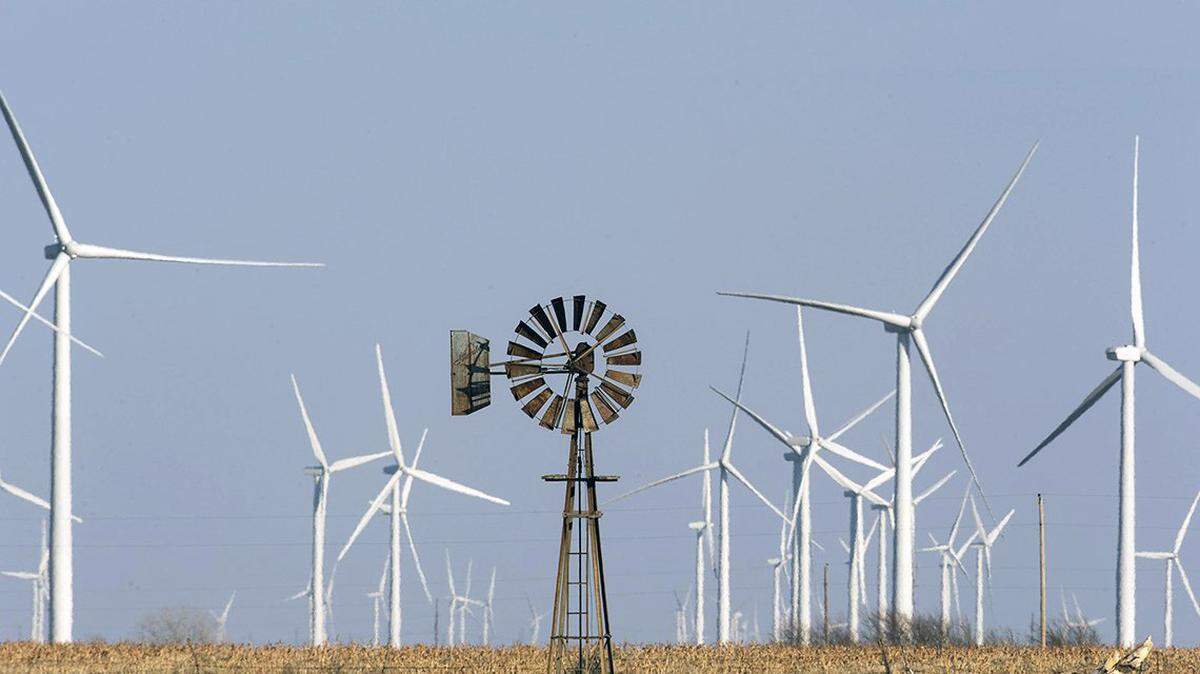
That demand is arriving unevenly. It clusters in regions that can offer land, grid access and predictable power prices. Kansas increasingly fits that profile. With its strong wind resources, available industrial sites and central location, the state is attracting attention from developers looking for reliable places to build the next generation of digital infrastructure.
But opportunity brings responsibility. AI-driven growth does not simply need clean energy — it needs firm, reliable power that works every hour of every day.
For years, energy policy focused primarily on reducing emissions and expanding renewables. Those goals remain vital, and Kansas has led the nation in wind development as a result. But AI is changing the conversation.
AI systems do not pause when the wind slows or clouds roll in. Data centers and advanced manufacturing facilities require continuous power, regardless of weather or season. That reality is pushing reliability back to the center of energy planning.
For Kansas, this means the future grid cannot rely on any single resource. Wind is a cornerstone, but it must be complemented by firm generation, energy storage and expanded transmission. Advanced nuclear technologies, modern natural gas, long-duration storage and emerging fuels such as hydrogen all have roles to play alongside renewables.
This is not about choosing winners. It is about building a system that works under real-world conditions.
One of the biggest obstacles facing Kansas is not generation — it is transmission and timing.
The state can produce large amounts of electricity, but moving that power to where it is needed remains a challenge. Transmission projects often take years longer to approve and build than power plants themselves. Meanwhile, companies planning AI facilities and manufacturing plants operate on much shorter timelines.
Prioritize grid expansion, efficient permitting
If Kansas wants to remain competitive, grid expansion and permitting efficiency must be treated as economic development priorities. Faster interconnection, regional coordination and long-term planning will determine whether new investments choose Kansas — or look elsewhere.
AI is increasingly seen as a strategic asset, shaping productivity, national security and economic growth. But AI leadership depends on energy leadership.
Regions that can deliver reliable, affordable power will attract capital, talent and high-value industries. Regions that cannot risk being bypassed, regardless of workforce quality or incentives.
For Kansas, this moment presents a choice. The state can continue to lead by embracing a balanced, pragmatic energy strategy — or it can allow infrastructure constraints to limit its potential.
Kansas has already shown what is possible when policy aligns with engineering reality. The wind industry created jobs, investment and national leadership. The next phase — powering AI and advanced industry — will require the same foresight, paired with a broader understanding of reliability and scale.
The decisions Kansas makes in the next decade will shape its economy for generations. This is not about abandoning climate goals or clinging to outdated systems. It is about building energy infrastructure that supports farmers, families, manufacturers and innovators alike.
AI may be written in code, but its foundation is physical. And the future of intelligence may depend as much on the Heartland as on Silicon Valley.
Kansas can help power that future — if it plans for reliability, speed and scale now.
Rajas Nimbarte is an energy infrastructure and clean-technology professional focusing on the intersection of energy policy, regulation and large-scale infrastructure delivery.