
Missourians shouldn’t pay for AI data centers’ enormous energy needs | Opinion
In towns across Missouri, the people are turning out in hundreds at public meetings about coming data centers, spilling out of doors to protest. Local governments want development and new tax revenue, but data centers make bad neighbors.
Our data-saturated world has an insatiable demand for electricity, especially for cloud computing services, cryptocurrency and artificial intelligence. It takes an enormous amount of data and resources to train an AI’s large language model, and an ever-expanding number of servers to store the information created by their computations. By some estimates, an AI-assisted search takes 10 times the electricity of a typical Google search.
AI dominates the financial markets. Investors are pouring trillions of dollars into it and expect to get that money back with interest. In the end, we will all pay.
Data centers can occupy hundreds of acres and draw as much electricity and water as a city of 50,000 people. By 2030, data centers are expected to consume as much as 12% of America’s electricity, according to Lawrence Berkeley National Laboratory. And that figure will grow with constant streams of new data looking for chips and servers to call home.
Large data centers can consume up to 5 million gallons of water a day for cooling. The Missouri River can handle this, but small streams and rural water tables that are already over-pumped for agriculture cannot. Servers generate a lot of heat, and cooling fans, sometimes called “screamers,” are extremely loud and can be heard by neighbors. The sheer size of data centers makes them offensive, especially in natural areas. Data centers also come with numerous air-polluting backup diesel generators.
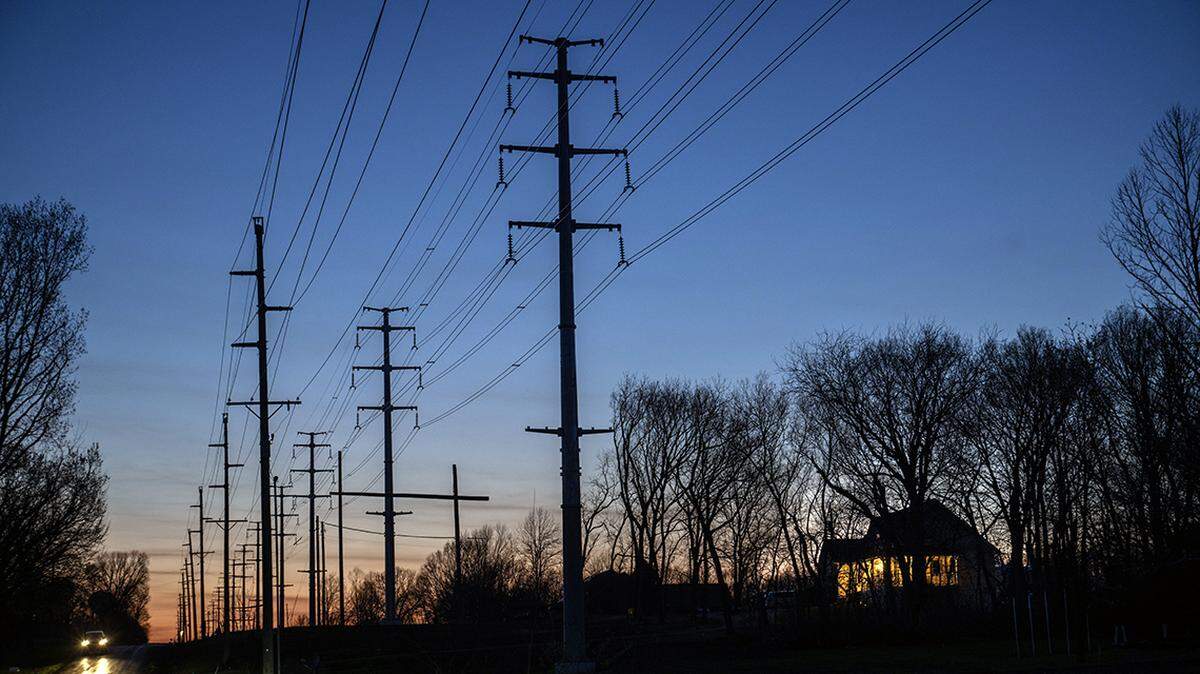
Ideally the developers would build their own power plants. Some will. Some of those will be solar or wind plants with battery backup. But more often, they expect to draw from the grid owned and managed by monopoly utility companies, such as Evergy, and shared with other customers — us. There are ways to make sure data centers pay their fair share of the energy cost, but we regular ratepayers will still pay more for our share of a more expensive pie, as the overall cost of energy rises with new electricity generation and transmission being built to serve data centers.
This couldn’t come at a worse time. The national electric grid is old, overstressed and in bad need of upgrades. Old coal-burning plants that should have closed because they are no longer economical to run are being ordered to stay online. Old nuclear reactors are being taken out of mothballs. Natural gas is expected to be the data industry’s and utilities’ preferred fuel, but higher demand will raise the volatile price of gas. The U.S. Energy Information Administration expects natural gas spot prices to rise “sharply” — 33% — in 2027.
If data centers trigger a huge new demand for fossil fuels, we can bid farewell to any hope of reducing greenhouse gases and slowing climate change.
In his state of the state address, Gov. Mike Kehoe aid Missouri “is all-in on nuclear.” Small modular nuclear reactors, touted as the hope of the future, have not proven themselves to be as cheap and fast to build as promised. Only two are commercially operable in the world as of November 2025.
South Carolina customers are still paying $9 billion in costs for a large reactor that never was finished. That’s because South Carolina allowed power companies to enact CWIP, or construction work in progress, pricing — meaning that utility customers pay the costs of a new plant before it delivers power, and even if it never does.
Last year, the Missouri legislature passed CWIP at the behest of the utilities. Investor-owned, regulated utilities such as Evergy make all their profit from building infrastructure and billing us, and there’s nothing more profitable than a nuclear plant.
No doubt artificial intelligence has many beneficial uses beside its threats, but data centers are pushing the limits of manageable growth. This is one kind of NIMBYism — “not in my backyard” — that is justified.
Henry Robertson is energy committee chair for the 501(c)(4) nonprofit Sierra Club, Missouri Chapter.