
When Missouri prisoners die in custody, we all deserve the truth | Opinion
During my time incarcerated at the Missouri women’s prison in Vandalia several years ago, I had a friend with sparkling blue eyes. But one day, her eyes were crossed, and it made me wonder if something was going on. She started getting sick. And then another day, she died. It was from a brain tumor. The prison had not treated her. I heard the staff say she was faking her illness to get out of work. She was only 40 years old when she died, leaving five children behind.
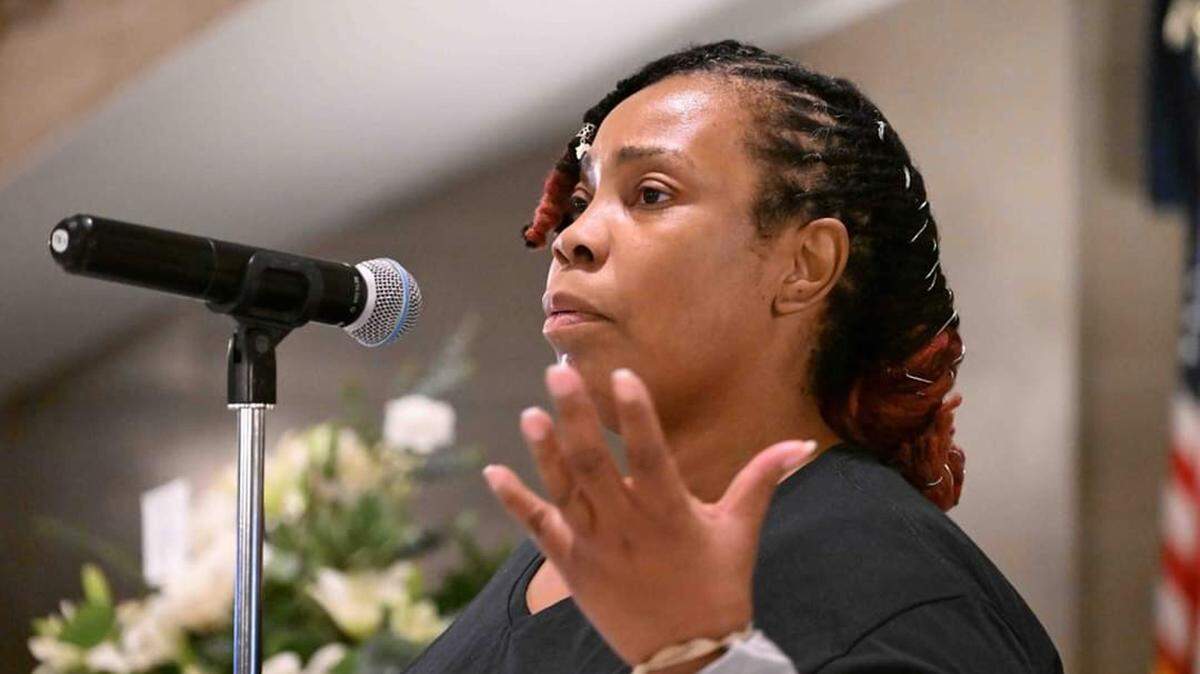
On Jan. 14, I testified before the Missouri House Corrections Committee about incarcerated people dying while in state custody. I told the lawmakers there is no oversight of what is happening inside our prisons.
Missouri pays hundreds of millions to a health care provider to serve the incarcerated community throughout the state. This contract delineates clear standards of care, naming the number of required health care providers in each facility, as well as timely care for people who are sick. The contract even provides for fines by the state if these goals are not met. However, the Missouri Department of Corrections moves slowly to hold the company accountable for failing to deliver health care as promised in the contract. The result is limited care to people who need it. The state is wasting millions and millions of dollars for health care that is not being provided.
The lack of humane treatment for people inside prison, whether they are serving four years or 40, should be of concern to all of us, because it profoundly impacts public safety. Denying individuals the opportunity to heal themselves, to give back to society in some way, to access medical and mental health care and care for substance use, lessens opportunity to find redemption, and increases the likelihood of recidivism and future problems.
I started the Missouri Justice Coalition because we desperately need to build on the small prison advocacy movement in our state to expose what is going on and to offer solutions.
MO Justice is made up of people impacted by the system, including our board of directors, and is focused on helping others affected. We are the ones closest to the problem. We know what is needed.
To that end, we are working on all facets of mass incarceration, from prison conditions and prison medical care to neglect of mental health issues and drug proliferation.
We need transparency in the system. I tell people that prison “disappears” people when nobody knows what happens to them. It is why families such as Alan Lancaster’s are suing the Missouri Department of Corrections: They do not know the circumstances in which their loved ones died. It can be years before an autopsy report becomes available.
Where are the investigations and hearings? We must demand accountability. Missouri’s leaders have a duty to oversee every single department of the state, including the Department of Corrections. These are human beings, and for society to discard them is a big mistake. More than 95% of them have an “out date,” and they are coming home.
How we treat people we deem as disposable is a mark of our society. The experience of being incarcerated left a mark on my spirit — and ever since, I have dedicated myself to revealing the truth and fighting against what is happening in Missouri’s prisons.
ML Smith is the founder and executive director of the 501(c)(3) nonprofit Missouri Justice Coalition. She is the former co-director of the 501(c)(3) nonprofit Missourians to Abolish the Death Penalty.