
This commonsense solution can help Kansas’ strained health care system | Opinion
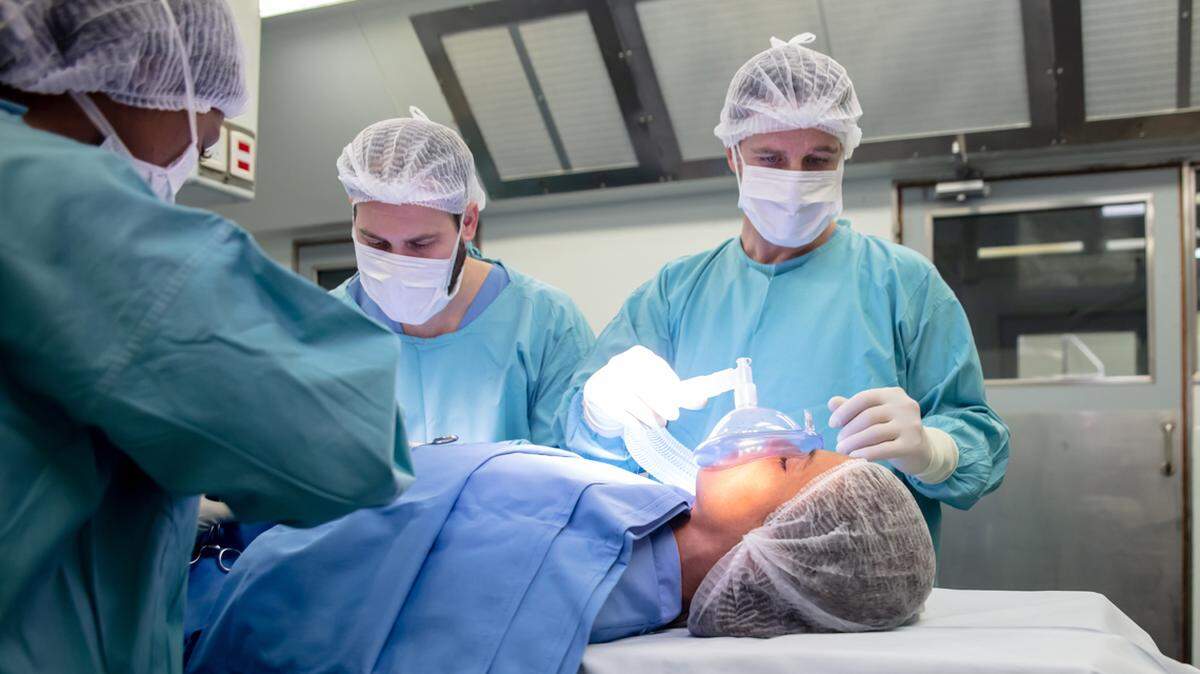
Kansas families expect timely, safe medical care — whether it’s a cesarean section in the middle of the night, surgery after a farm accident or a routine procedure that shouldn’t require driving hours to a major city. Yet across our state, hospitals are quietly struggling to keep operating rooms staffed because of a growing shortage of anesthesia professionals.
There is a practical, proven solution already working in much of the country: licensing certified anesthesiologist assistants, or CAAs.
CAAs are highly trained, master’s-level anesthesia professionals who work as part of a physician-led care team under the supervision of anesthesiologists who are physicians specializing in anesthesiology. They are nationally certified, clinically trained and already authorized to practice in nearly half the states including Missouri, Oklahoma and Colorado. Kansas is now falling behind.
Across Kansas, many hospitals face mounting challenges recruiting and retaining anesthesia providers. When staffing gaps occur, surgeries are delayed or canceled, labor and delivery services are reduced and patients are forced to travel long distances for care they should be able to receive close to home. This doesn’t just inconvenience families — it puts lives at risk.
Allowing CAAs to practice in Kansas would expand the anesthesia workforce while maintaining the highest standards of care. In fact, licensure raises standards by clearly defining education, certification and scope of practice. It ensures that only qualified professionals are providing anesthesia services under appropriate medical oversight.
Patient safety must remain nonnegotiable. Decades of experience in other states show that team-based anesthesia models, anesthesiologists supervising CAAs and certified registered nurse anesthetists are safe, effective and efficient. These teams allow anesthesiologists to focus on complex cases and critical decision-making while extending care to more patients. The result is better access while maintaining high quality care.
Kansas hospitals also face financial pressure. Staffing shortages drive reliance on costly temporary providers, or force service reductions that hurt communities and hospital viability. In fact, there are currently 160 advertised openings for nurse anesthetists in Kansas. By licensing CAAs, Kansas would give hospitals more flexibility to build stable, cost-effective anesthesia teams. That stability helps keep operating rooms open, supports local jobs and preserves essential services in smaller communities.
This is not about replacing anyone. It is about adding a proven role to a strained system. Kansas already relies on team-based care in many areas of medicine, from physician assistants to nurse practitioners, to meet patient needs. Certified anesthesiologist assistants fit squarely within that model.
For patients, the benefits are straightforward: fewer canceled surgeries, shorter wait times and access to care closer to home. For expectant mothers, it can mean reliable access to epidurals and emergency anesthesia. For older adults, it means timely procedures without long travel. For communities, it means stronger hospitals and healthier local economies.
Kansas prides itself on commonsense solutions. Licensing certified anesthesiologist assistants is one of them. It strengthens patient safety, supports physicians and expands access to care, especially in the parts of our state that need it most. Kansas House Bill 2368 from the Committee on Health and Human Services would address this critical need.
As health care challenges grow, Kansas must use every responsible tool available. Licensing CAAs is not a risk — it is a smart, evidence-based step forward for the health of Kansans. We have worked with CAAs for the past 20 years just a few blocks across the state line and can personally attest to their safety. They would be a valuable addition to the Kansas health care workforce.
James B. Kelly Jr. is a cardiac anesthesiologist who has practiced in the Mid-America Heart Institute at St. Luke’s Hospital in Kansas City. Kathy Perryman is a retired pediatric cardiac anesthesiologist and associate professor of anesthesiology at the University of Missouri-Kansas City.