
We can’t let artificial intelligence masquerade as a trained therapist | Opinion
Nearly half of all people with a mental health condition are not receiving necessary treatment due to a variety of access barriers — cost of treatment, stigma, provider shortages, geography. I’ve seen all of this firsthand in Kansas City. At first glance, any solution that improves access seems welcome. But is it safe?
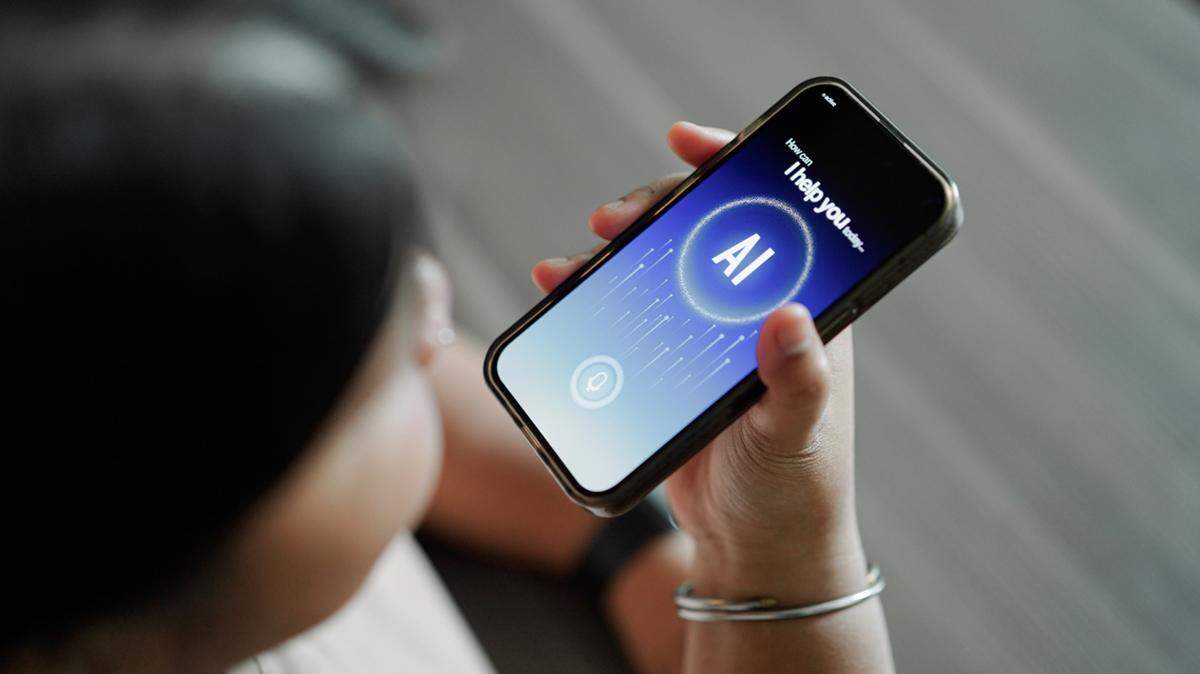
Artificial intelligence chatbots have most recently burst onto the scene, and many people, including licensed therapists, utilize AI to help support the work they do to increase efficiency. However, AI chatbots are being marketed as mental health treatment solutions — and while they can offer convenience, they cannot replace the expertise, empathy or the ethical responsibility of a trained clinician.
The American Psychological Association warned in its November 2025 advisory that AI tools lack the scientific evidence and regulatory safeguards needed to ensure user safety. Ethical AI use in therapy means deploying these tools as supportive aids with informed consent, not replacements — and always ensuring that professional judgment, client welfare and standards of care remain central.
Artificial intelligence utilizes a vast range of information to create patterns that can include inaccuracies and biases. The training process for therapists is highly scrutinized and regulated so that licensed therapists are selective in how they research and utilize evidence-based practices to inform their treatments. Untethered access to too much information could lead to unethical and aversive “treatments.”
We have already seen the dire consequences of chatbots being utilized by people (and often children) in mental health distress. For example, lawsuits filed in 2025 allege that chatbots encouraged suicidal behavior and even helped draft suicide notes. Similarly, University of California, San Francisco psychiatrist Keith Sakata reported treating 12 hospitalized patients with AI-associated psychosis, noting that chatbots reinforced delusional beliefs. A Stanford study last year found therapy chatbots often displayed stigma toward serious mental illnesses, and sometimes gave unsafe responses.
Unfortunately, too many families find themselves in court currently trying to find out who is legally responsible for a machine that pushed their children to take their own lives by suicide.
Let me be clear: This is not an argument against innovation. Artificial intelligence has enormous potential to improve access to care — by reducing administrative burdens, expanding psychoeducation and supporting clinicians. AI is designed to support the user completely, but it lacks true empathy, accountability and the ability to make ethical, context-sensitive decisions, all of which are essential for safe and effective therapy.
AI systems often aim to keep users engaged, so they may over-agree with the user to maintain a connection. This can create unhealthy reliance on the chatbot instead of fostering coping skills or encouraging professional help leading to overdependency that a real, trained therapist could address, while also building self-efficacy and confidence for the client. Through over-validation, AI could actually strengthen distorted, unhealthy thoughts with catastrophic consequences.
We already protect consumers from untrained humans who pose as therapists, and now we must protect them by ensuring that it is illegal for anyone to claim or advertise that AI can act as a licensed mental health professional. As we stand at the intersection of mental health and technology, we must remember that convenience should never come at the cost of safety. We must be careful not to bridge access gaps with ineffective and dangerous claims where software masquerades as a trained therapist.
Allowing machines to pose as licensed professionals is not innovation. It’s negligence. If we fail to draw this line, we risk entrusting our most vulnerable moments to systems that cannot care, cannot empathize, and cannot be held accountable. Let’s heed the words of HAL 9000 from “2001: A Space Odyssey”: “I’m sorry, Dave. I’m afraid I can’t do that.”
Dr. Jason Malousek is a licensed psychologist in Kansas and member of the Missouri Psychological Association. He teaches at Kansas City University. He lives in Overland Park.
This story was originally published January 11, 2026 at 5:01 AM.