When Kansas boosts public health in Africa, it’s a win for everyone | Opinion
Access to safe, reliable water and basic sanitation isn’t a luxury — it is one of the most fundamental building blocks of healthy, thriving communities. Yet across the world, millions of people still suffer preventable illness, lost productivity and economic hardship simply because clean water and sanitation systems are absent or inadequate.
This reality is not abstract to me. Through my work with a Kansas-based nonprofit and Rotary, I spend significant time in villages near Bukavu in the Democratic Republic of Congo, and in refugee-hosting communities in Uganda. The contrast between what safe water enables — and what its absence destroys — is stark.
Clean water is essential for drinking, cooking, bathing, cleaning and basic hygiene. Without it, waterborne diseases such as diarrhea spread rapidly, especially among children. Adequate sanitation — toilets, handwashing facilities and safe waste disposal — dramatically reduces the transmission of intestinal parasites and other pathogens that sap health, learning and livelihoods.
In eastern Congo, families often rely on contaminated surface water. Children miss school because of illness. Adults lose workdays, and women spend hours each day hauling unsafe water. These are not isolated hardships. They are structural barriers to development.
Real-world impact in Congo, Uganda
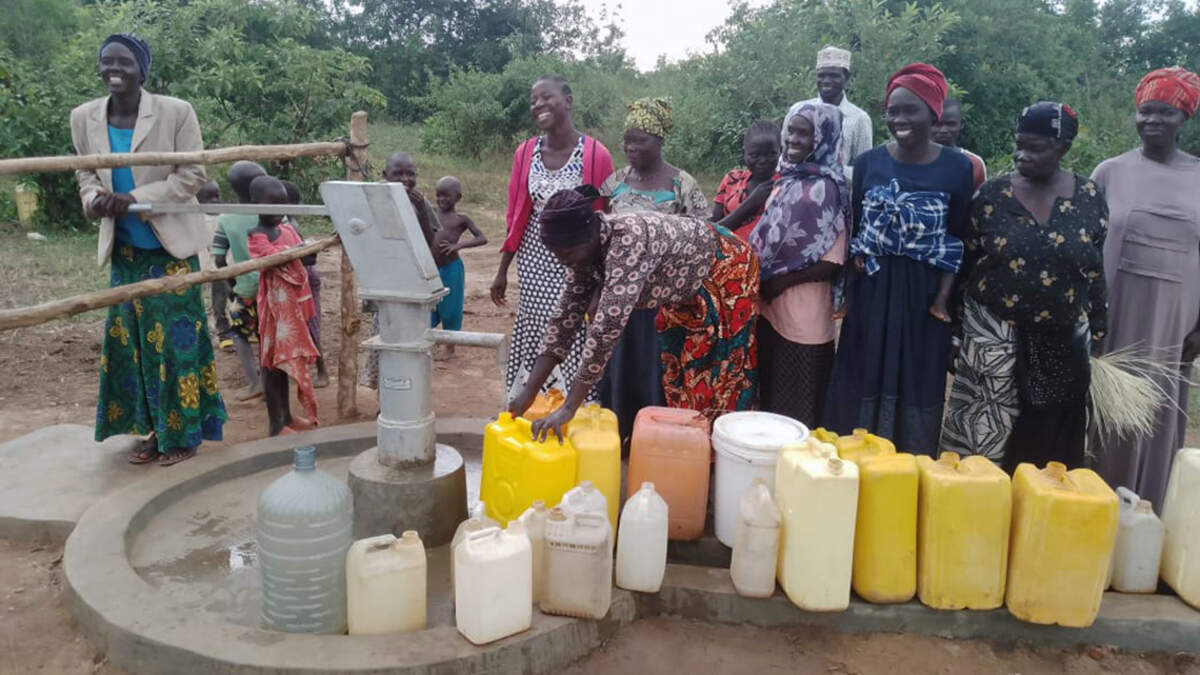
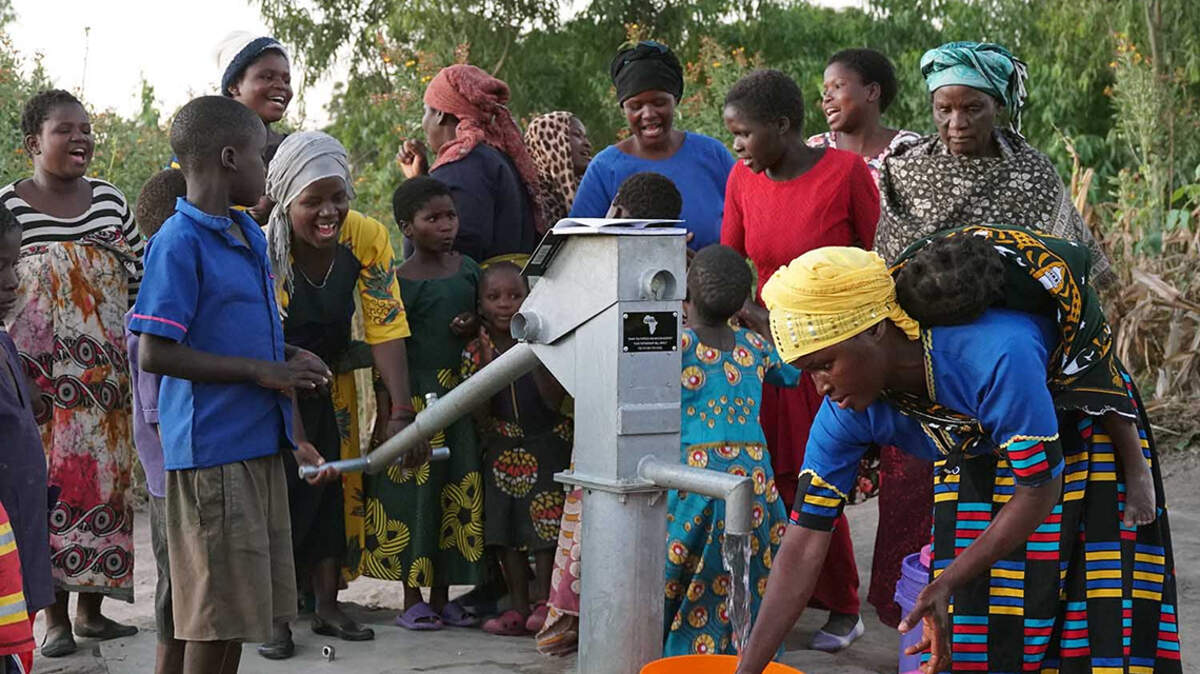
In villages surrounding Bukavu, our partners are completing 18 community water wells paired with full sanitation coverage, ensuring every household has access to both clean water and hygienic latrines. This “total sanitation” approach is critical — water alone is not enough without safe hygiene practices to protect it.
Meanwhile, in three villages within Uganda’s Nakivale Refugee Settlement, our work integrates malaria eradication, sanitation and nine new water wells. Clean water and sanitation reduce mosquito breeding, while malaria prevention keeps families healthy enough to work, attend school and rebuild their lives after displacement.
Investments in water and sanitation consistently deliver some of the highest returns in global development. Lower disease rates mean fewer medical expenses, fewer missed school days and greater productivity. For every dollar invested in sanitation, returns of several dollars in health and economic gains are common — a rare example of policy that is both compassionate and fiscally smart.
A basic household latrine in Africa can cost as little as $10 to $60, and a single community well, costing $1,500, can serve hundreds of people for decades when properly constructed and maintained. Compared to the ongoing costs of treating preventable disease, these investments are remarkably small.
As a Roeland Park resident, I am proud that support from people in our region helps finance wells in Congo and sanitation and malaria control in Uganda, including refugee communities. The same principles that protect public health in Kansas — clean water, safe sanitation, disease prevention — apply everywhere.
Water and sanitation are more than infrastructure. They are the foundation for health, dignity, education, economic opportunity, empowerment and peace. When we get these basics right, everything else becomes possible.
Chris Roesel is president the Kansas 501(c)(3) nonprofit P2P Inc. and a Rotarian.