
My wife was a Black Kansas Citian who saw the Democrats leave us behind | Opinion
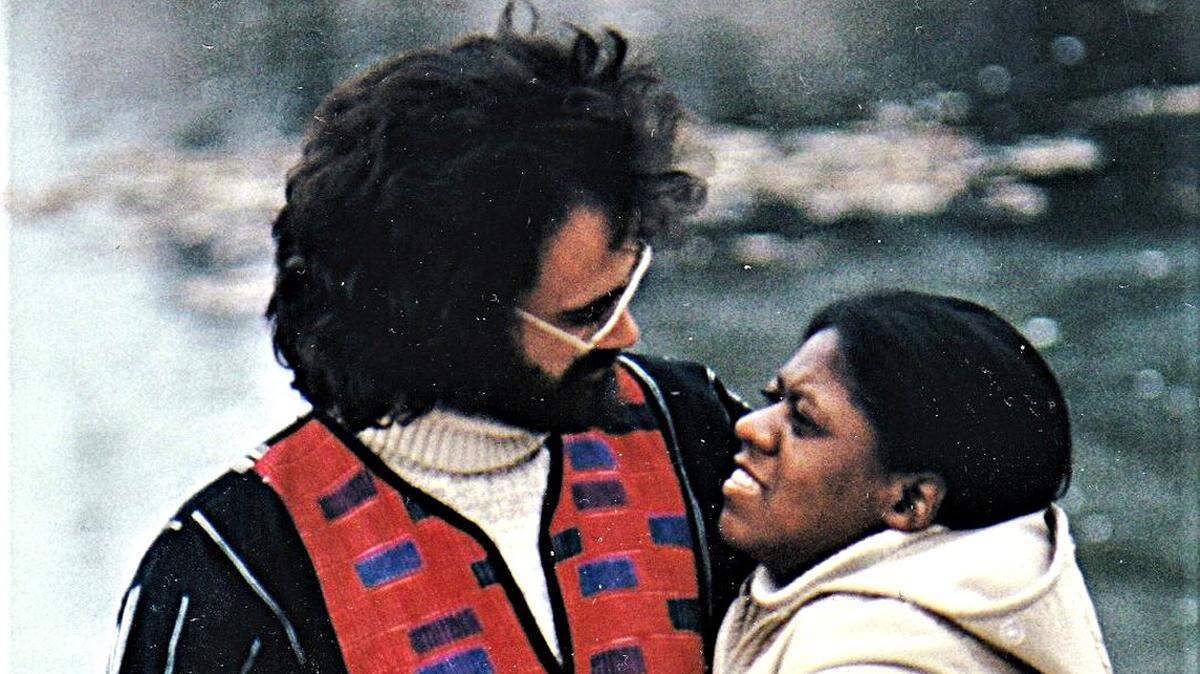
In 1973, I met a young, Black woman raised in a single-parent home in the Black part of Kansas City. Ruth professed the liberal values of a college student of the time. She was a feminist who lived in a women’s commune, joined a small communist group and visited Cuba with the Venceremos Brigade. She had many gay friends and was pro-choice. And she married someone “outside her race.”
But during the years of our marriage until her death in 2018, her views became much more conservative. She distrusted Democrats because the Kansas City in which she was raised was a brutally segregated city ruled by Democrats. During her childhood, parts of the city — such as the Country Club Plaza — were off-limits to members of minorities.
And she was not a fan of Barack Obama. His election as the first Black president was a stark reminder of the trauma of colorism she experienced growing up. She viewed Obama as inauthentic because he had no direct connection to the evils of American slavery and the horrors of the Jim Crow era.
But most of all, she moved to the right because she watched with frustration as a string of social causes emerged and were supported by social justice advocates, while the needs of African Americans were left behind. Even the 14th Amendment, passed to guarantee citizenship to the children of enslaved people, became hijacked by people coming from other countries — often with more privileges than African Americans.
Ruth saw unions gaining rights for working Americans, but excluding Black people. In the Great Migration of 1910 to 1970, African Americans were systematically excluded from labor unions, including public fire and police unions. Later, she joined the teachers’ union for financial protection, but disliked their one-sided politics and opposition to genuine school choice. As someone who had attended Catholic schools, Ruth deeply believed school choice to be an important vehicle for the advancement of Black children, and never understood liberal opposition to it. The Black families who moved during the Great Migration saw their dreams of homeownership shattered by the redlining, which was ironically bolstered by federal programs such as Freddie Mae and Freddie Mac. Maps were created and distributed to banks, which showed white areas in blue, and Black and mixed-race areas in red. Banks were discouraged from lending to anyone living in the red areas.
‘You are a DEI hire’
Ruth was a huge supporter of the women’s movement. She had seen how her mother and other Black women in her life suffered from gender inequality, and she made sure her three girls attended college and became independent thinkers. She applauded when women gained legal rights, but felt the movement bypassed the needs of Black women. The push for women to work outside the home was comical to her, as most Black women had always done so. While Ruth was always an ardent feminist, as the mother of three girls and one boy, she deeply understood gender differences. She was also an astute observer of the distinctly different way Black families raise boys and girls.
Although her own mixed-race children attended a very integrated public school, they were required to be bused to the inner city. After a year, Ruth placed them into a private school. Always a supporter of school integration, she eventually viewed it as a misguided belief that quality education was based on the color of the skin of the student sitting next to you, instead of a radical improvement in the quality of education for low-income, mostly Black students.
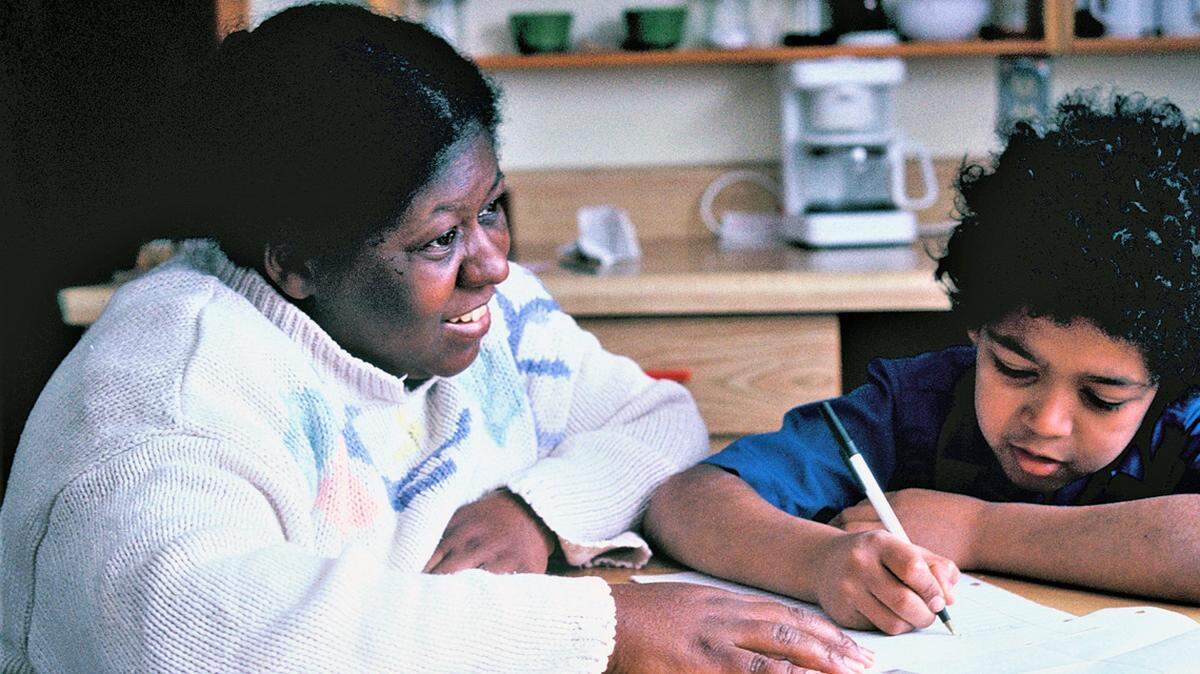
Ruth earned degrees in education and a certificate in marriage and family counseling. She labored to earn respect in the predominantly white, female professions of education and therapy. Then affirmative action and diversity, equity and inclusion took hold, and her hard-earned status was obliterated by people saying — and believing — “You got this job because you are a DEI hire.” She was livid. Ruth deeply believed that these programs communicate that Black people are incapable of competing with professionals of other skin colors and backgrounds.
DEI positions reinforce this view: that meritocracy is a white value, perfection an example of white supremacy, and clock time is a plot to oppress people of color. Further, the nuclear family is a white model, and Black people cannot do math. For someone who deeply believed in the traditional family, achieved professionally and taught math, this insulted Ruth profoundly. Stark anti-white views also upset her as a member of an interracial family.
As a special education teacher, she had many white, liberal female friends who loudly professed the latest antiracist jargon at every opportunity. Yet at the end of the day, they exited the inner-city school and drove their late-model SUVs to homes in the suburbs.

African Americans suffer from illegal immigration
The area where Ruth felt Black Americans were most clearly overlooked was the liberal support of illegal immigration. Cleary, she did not oppose immigrants — she married one. She viewed with disgust as colleges received additional federal funding for enrolling more than 25% Hispanic students. She saw inner-city programs — including Head Start and Title I schools — become overextended, leaving Black families behind. Finally, she believed low-skilled Black workers, Black families and Black children suffered the most from this influx.
Ruth’s single mother worked in the famous Kansas City barbecue restaurants, and cleaned houses for wealthy Jewish families. Now, Ruth believed many of these jobs would go to immigrants in the country illegally, resulting in lower pay and less support for Black families. Again, she felt Black families were ignored.
I was married to Ruth for 42 years. And over those years, my very progressive views also moved to the right. Applying one of the sacred mantras of multiculturalism — lived experience — my values are now totally out of sync with my peers, who are white, middle class and have college degrees, as I do.
But none have my lived experience.
Francis Wardle lived in Kansas City from 1973 to 1982. He has a Ph.D. in education from the University of Kansas and worked for PACERS School and Big Brothers and Sisters of Greater Kansas City. He has contributed to The Kansas City Star and Times, Workbench Magazine and The Kansas City Woman. He lives in Taos, New Mexico, where he writes and pursues photography.