
Chiefs’ move to Kansas isn’t a disaster — but let’s be honest about who won | Opinion
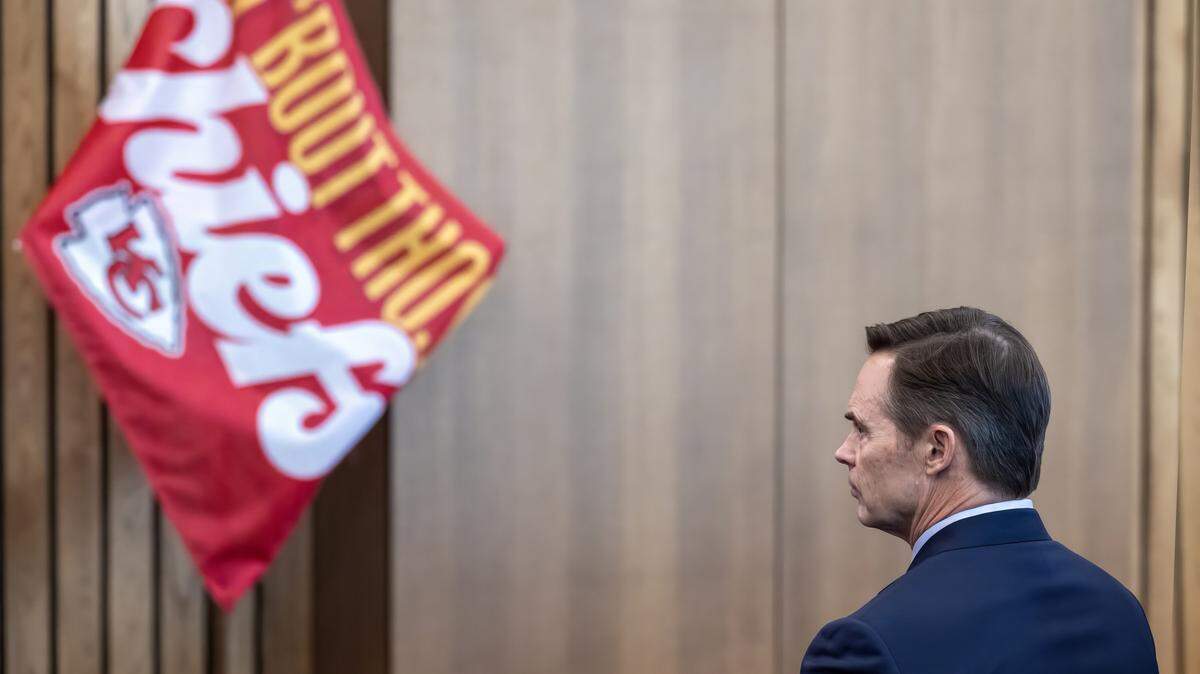
If you want to understand the Kansas City Chiefs’ move to Kansas, stop asking whether it’s “good for the economy.” As an economist, I know it’s tempting, but it misses the point. The better question is simpler and more revealing: Who won, who lost and what were the incentives? Once you look at the deal through that lens, the picture comes into focus quickly, and it’s far less flattering than the celebratory press releases suggest.
Start with the biggest winner: Chiefs owner Clark Hunt. This deal is a quintessential example of public-choice economics, the idea that incentives, not goodwill, drive political decisions. Hunt converted a credible relocation threat and a bidding war between two states into a massive public subsidy. Kansas agreed to finance up to roughly 70% of a new, multibillion-dollar stadium, while the team retains private control of the asset and its revenue streams.
The downside? Construction, financing and revenue risks rest with Kansas taxpayers. In contrast, benefits such as higher franchise value and media leverage stay private. Though it may seem corrupt, it’s rational in a subsidy-rich game. When governments compete, owners hold leverage, leading to socialized costs and privatized gains.
Royals owner John Sherman is a quiet winner, as he didn’t have to physically move for advantage. Kansas demonstrated it’s willing to use state tax incentives and long-term commitments to secure a professional team. This signals that Sherman’s alternatives outside negotiations have become stronger. Missouri now faces negotiations with Kansas as a confirmed bidder, not just an idea. In game theory, this alters the payoff structure, giving more leverage to the Royals owner.
Kansas taxpayers, by contrast, occupy last place. This is the central economic cost of the entire deal. For up to 30 years, sales tax revenue that could have gone to broad tax relief, infrastructure, education or debt reduction is earmarked for one asset, one owner and one location. Supporters argue the bonds aren’t general obligation and rely on incremental revenue. That doesn’t erase the fact that there will be fewer state sales tax revenues from Kansas businesses moving to the STAR bond district, or Kansas consumers shopping in the bond district, to name a few examples. That doesn’t erase the opportunity cost.
Opportunity cost isn’t a bill you see — it’s the choices you lose. Kansas taxpayers give up fiscal flexibility, revenue neutrality and risk insulation. They bear the downside risk if revenue projections fall short but receive no ownership stake if things go well. In economic terms, they are the residual claimant of risk without any claim on profit.
There’s also a fundamental fairness issue worth addressing. Lawmakers have repeatedly told Kansans that STAR bonds don’t involve taxpayer money because they rely on future revenue rather than direct appropriations. Yet buried in the deal’s own documentation is a provision granting the state access to a stadium suite, with all food and beverage costs paid by the state. The expense itself is trivial in a multibillion-dollar project, but the contradiction is not. When officials insist taxpayers aren’t paying, then quietly send the catering bill to the public, at some point, voters are entitled to ask whether this was a messaging shortcut or whether they were misled from the start.
Finally, Kansas City leadership deserves scrutiny, not just for losing a team, but for why the relocation threat became credible in the first place. The Chiefs didn’t simply choose Kansas because that state sparkled. They left Missouri because staying became more costly. High earnings taxes, regulatory friction, bureaucratic delays and public safety concerns all raise the cost of doing business. Economically, bad policy increases exit probability. Capital and talent respond accordingly.
None of this means the Chiefs’ move is an unmitigated disaster. It does mean we should be honest about what happened. The deal produced clear political winners, concentrated private gains, diffused public costs and a few ethical optics that deserve more than a shrug.
Most importantly, these stadium deals don’t create free money. They redistribute it. They reward leverage, not loyalty. And they leave taxpayers paying the bill long after the confetti has been swept away.
Michael Austin teaches economics at a university in Kansas.
This story was originally published January 2, 2026 at 5:07 AM.