
Local Kansas ice cream shops are frozen out by unfair taxes | Opinion
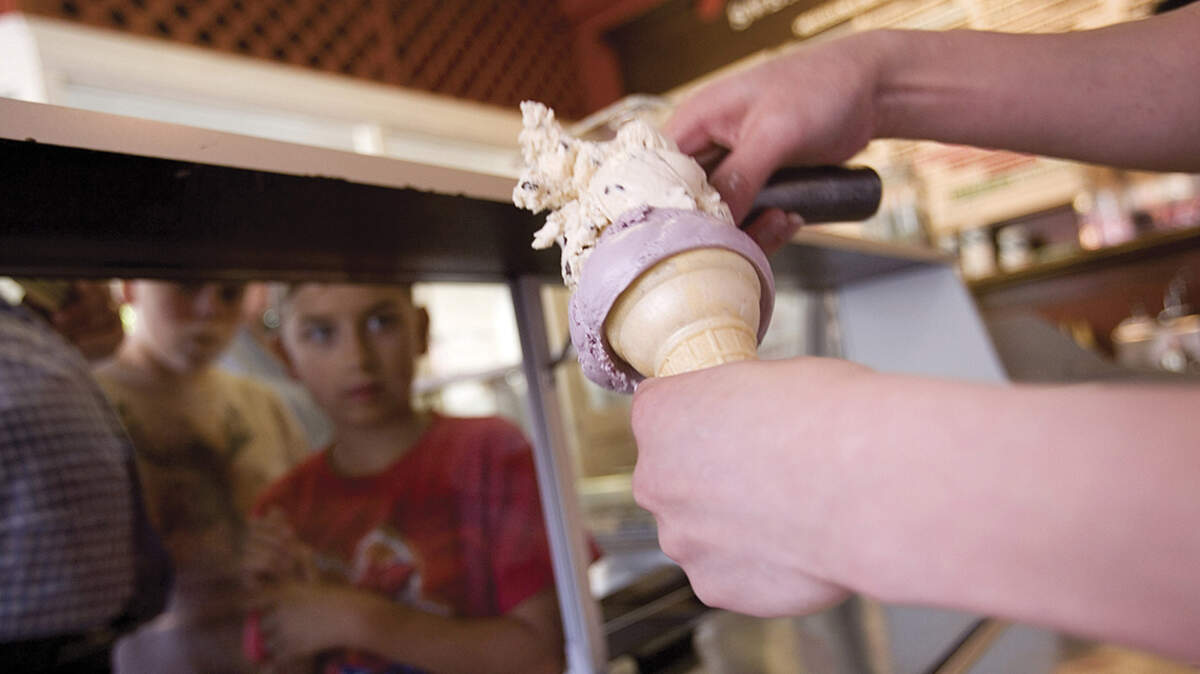
As a small business farm market seller in Kansas, I’ve seen firsthand how uneven our food tax rules can be. Buying a scoop of ice cream at your local shop should be a simple pleasure. But in Kansas, it comes with a 45-cent sales tax per scoop. Packaged ice cream from big brands, sold in grocery stores, pays no state food sales tax at all.
The reason is simple: Local scoops are labeled “prepared food” and taxed fully, while mass-produced ice cream is treated as a grocery item and exempt under Kansas’ Axe the Food Tax law recently enacted.
The impact is immediate. Families end up paying more to support local shops, while owners bear the tax burden that their corporate competitors avoid. In winter, when ice cream sales typically decline, this burden becomes even heavier. With fewer customers, the extra tax makes it more challenging for these businesses to survive when they need support the most.
To combat this, many shops get creative. They organize trivia nights, family contests and community events. They even introduce holiday flavors such as peppermint and gingerbread, and pair scoops with hot cocoa to attract customers. These efforts demonstrate the significant investment local shops make in their communities, even as they grapple with these unfair tax rules.
The disparity extends beyond pricing. Big ice cream brands often use additives such as polysorbate 80 to prolong shelf life and introduce excess air — known as overrun — to stretch their product. Commercial ice creams can contain 25% to 50% air, with some soft-serve options exceeding 65%. This excess air reduces quality and may cause discomfort for some consumers. By contrast, local shops often serve denser, richer scoops made with whole ingredients that are easier to digest, all while facing higher taxes.
This inequality isn’t limited to ice cream. Restaurants also fall under the “prepared food” category and share the same tax burden as scoop shops. Independent retailers face elevated sales taxes. Local bookstores compete against online giants that reduce the availability of new titles. Small farmers manage rising land-use taxes, and child care providers shoulder compliance costs that far exceed those of national chains. When a local business closes, our community loses part of its character.
Fair taxation should be consistent. Either ice cream is taxed, or it isn’t. Currently, the rules favor corporations while penalizing local makers. This situation isn’t just unfair — it’s short-sighted. When local businesses close, we lose more than storefronts. We lose gathering places, jobs and the unique flavor that makes our towns feel like home.
Supporting equitable policies means preserving the small businesses that bring flavor, character and vitality to our towns. Until Kansas applies the exemption fairly, local ice cream shops will remain frozen by taxes while big brands skate free.
This winter, let’s commit to keeping our shops alive: Buy local, savor the richness and protect what makes home feel like home.
Julie McWilliams is a small business owner in Kansas’ Miami and Osage counties.