
Hanaway is the 3rd appointed AG. When will MO voters have their say? | Opinion
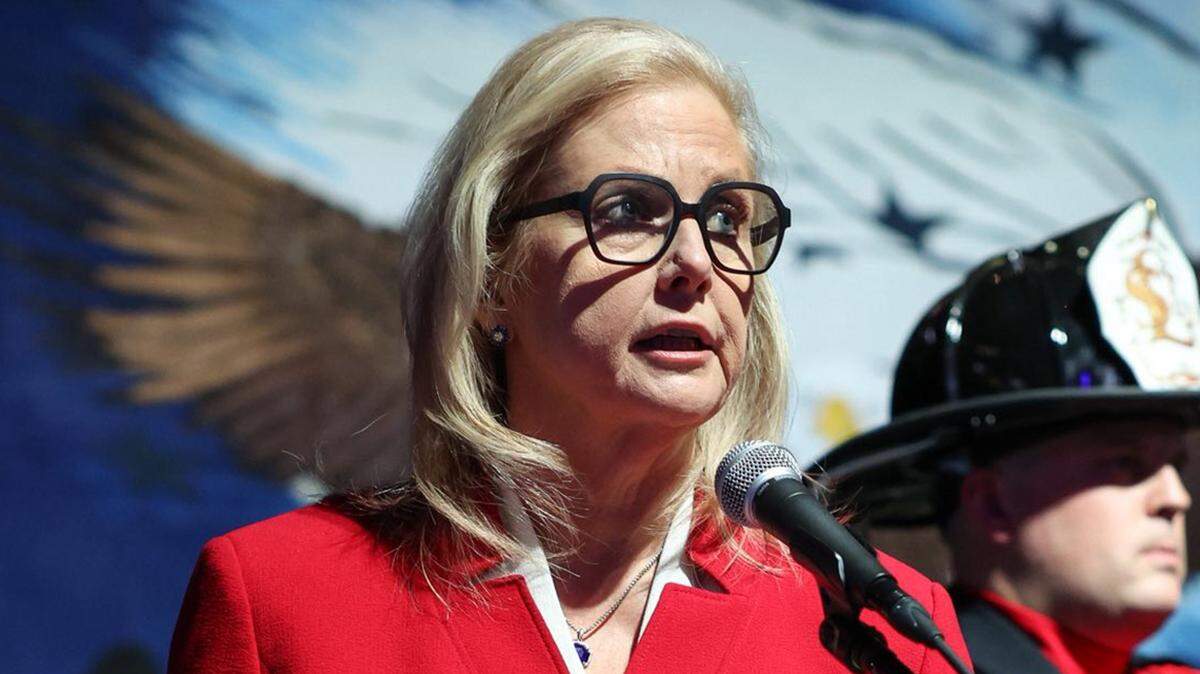
Missouri Attorney General Catherine Hanaway really shouldn’t have her job.
That’s not a knock on Hanaway or her extensive qualifications. But it is a criticism of the process that made her the Show-Me State’s top law enforcement officer. Hanaway wasn’t elected to the gig: She was appointed by Gov. Mike Kehoe.
In Missouri, it’s ostensibly the voters who decide who fills the office. The post is a statewide elected position, after all.
The problem? That’s not really how it works out anymore.
Hanaway is the third straight Missouri attorney general to get the job through a gubernatorial appointment. She replaced Andrew Bailey, who left Jefferson City to go be the deputy director — and maybe the future director — of the FBI. Bailey was appointed to the job to replace Eric Schmitt, who got elected to the U.S. Senate. And Schmitt was appointed to replace Josh Hawley, who also left the job to be senator.
Everybody wants to be Missouri’s top lawyer, it seems, but nobody actually wants to keep the job for very long.
That creates a problem.
The last three attorneys general have owed their jobs to Govs. Kehoe and Mike Parson, ardent Republican partisans. They have not owed their jobs to the Missouri people.
And oh boy, does it show.
‘Expectations were misplaced’
As The Star’s Kacen Bayless reported this week, Hanaway took the job in September with bipartisan support and widespread hopes that she might represent a “change of course” from the ultra-partisan approach to the job favored by her predecessors.
That’s not how it is actually working out, of course.
Instead: Hanaway has proved fiercely partisan in her attempts to stamp out Missourians’ opposition to the state’s GOP-led redistricting to eliminate one of the state’s Democratic seats in Congress. Without offering evidence, she accused redistricting opponents of “employing illegal aliens” in their quest to gather signatures for a petition and referred the matter to Immigration and Customs Enforcement. She is trying to invalidate tens of thousands of signatures on that petition. And she has filed suit to block a referendum on the new maps.
The attorney general is trying to keep Missouri voters from having their say, in other words, and who can blame her? Hanaway never had to answer to those voters in the first place.
“It turns out our expectations were misplaced,” attorney Chuck Hatfield told The Star.
Let’s stop right here and admit that Hanaway’s predecessor, Bailey, very well might have done all the same things she is doing now. The former attorney general was fairly adept at abusing his office’s powers for partisan benefit.
The difference is that Bailey went before the voters last November, and they decided that he — warts and all — should hold the office. That gave his few months as an elected official some legitimacy that Hanaway does not and cannot have at the moment.
Under the current rules, she’ll hold the job without that bit of legitimacy for three more years before the next election. That’s a long time.
Solution: A special election
There is a solution to this. Governors should get to fill the attorney general’s office only on a short-term basis. Voters should decide who fills out long-term vacancies in the office.
It’s something that Missouri legislators have at least contemplated. Almost exactly a year ago, conservative state Sen. Rick Brattin filed a bill that would require the governor to call a special election to be held within 60 days after a statewide office goes vacant. The bill would apply to the attorney general’s office, but also apply whenever there is a sudden absence in the offices of lieutenant governor, secretary of state, state auditor or state treasurer.
Makes sense. So of course, the bill went nowhere.
A quick-turnaround election isn’t the only answer. Missouri — like most states — allows vacancies in the U.S. Senate to be temporarily filled by the governor, but voters would get to decide on the long-term replacement during the next general election. It’s a process that would also work
Would Catherine Hanaway be acting so partisan if she had to face an election next November?
Maybe. But we won’t get to find out. Hanaway owes nothing to Missouri voters and is acting accordingly. That won’t change until the rules do.