
Data centers a gold rush boost for national security, Missouri’s economy | Opinion
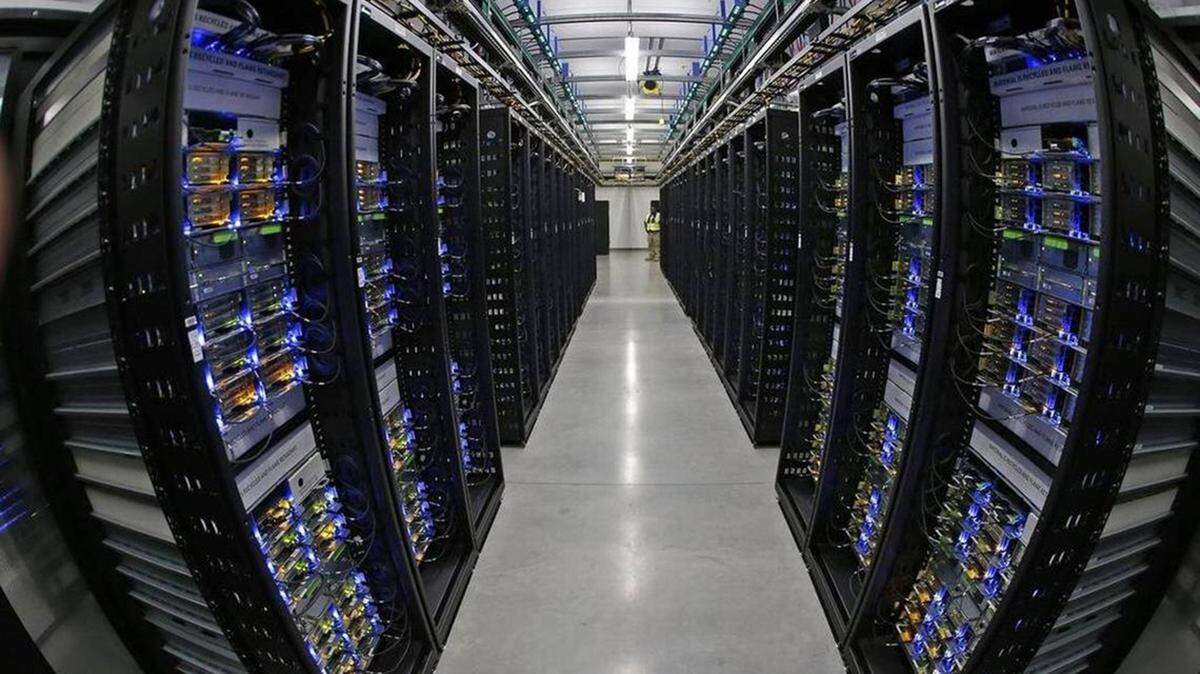
Missouri has quickly become one of the most attractive states in the country for high-tech investment. Our business-friendly environment, skilled workforce and diverse economy have positioned us to secure a more prosperous future. The data center growth we’re seeing across the state brings enormous benefits, and real questions. By engaging constructively on both, Missouri can secure a more prosperous and affordable future for every family.
Billions of dollars are flowing into Missouri to build the data centers powering critical technologies such as artificial intelligence. These facilities form the backbone of the digital economy and, increasingly, the backbone of national security. As China accelerates its own AI infrastructure, the U.S. must do the same if we intend to remain the world’s economic and technological leader. That starts with building the computing supply chain that fuels a 21st century economy.
Kansas City is becoming a magnet for this growth. Modern industries such as advanced manufacturing, biosciences, finance and logistics depend on fast, resilient cloud infrastructure. When companies consider expansion, they choose communities where data can move securely and reliably. Missouri is proving we can meet that standard.
A major reason is our workforce. Kansas City’s rapidly expanding tech talent pipeline gives companies confidence that they can hire the people they need. Combined with a lower cost of living, Missouri offers a compelling alternative to coastal tech hubs, one where workers can build a great career and a great life.
And the benefits go far beyond technology jobs. Data center construction requires a massive amount of labor, creating a modern-day gold rush for electricians, plumbers, pipe fitters, equipment operators and skilled tradespeople. These are well-paying jobs that put real money into Missouri households, from Kansas City to the Northland and beyond.
Local communities feel the impact immediately. Increased property tax revenue means stronger school districts, more resources for police and fire departments and more funding for essential services. These are tangible improvements in quality of life for everyone who calls Missouri home.
Even on energy costs, one of the biggest concerns, the picture is brighter than many assume. New research from Lawrence Berkeley National Laboratory shows that states experiencing growth in large electric loads often see electricity rates fall. North Dakota, for example, saw electricity demand rise 40% while rates decreased by roughly 3 cents per kilowatt hour. California, meanwhile, saw rates climb as demand fell. The data suggests that when managed correctly, new large-scale power users can actually help stabilize and lower costs for families.
To maximize that benefit, Missouri must continue upgrading its electric grid. The state has already taken important steps to protect consumers while enabling utilities to modernize infrastructure, punctuated by the Public Service Commission’s approval of Ameren’s and Evergy’s large load frameworks, which ensure that data centers pay their full cost of service and residential customers are held harmless. These kinds of smart, balanced policies enable our state to grow its economy while remaining affordable for hardworking families.
Of course, community questions about new projects are real and deserve to be taken seriously. Western Missouri has seen a wave of new proposals, and residents want clarity about their impacts. Businesses should work closely with neighbors and local officials to provide information, answer concerns and ensure meaningful community input.
If government, business and residents work together, Missouri can build an economy that lifts everyone. Our tech workforce is expanding. Skilled tradespeople are seeing unprecedented demand for their abilities. And policymakers in Jefferson City are making the state more competitive every year.
As data center investment accelerates, Missouri stands at the threshold of enormous opportunity. With smart planning and strong collaboration, we can unleash a stronger, more resilient future for generations to come.
Ray McCarty is president and CEO of Associated Industries of Missouri, the state’s oldest premier 501(c)(6) business association, established in 1919.