
Kansas City school policy letting parents hit kids puts teachers in a bind | Opinion
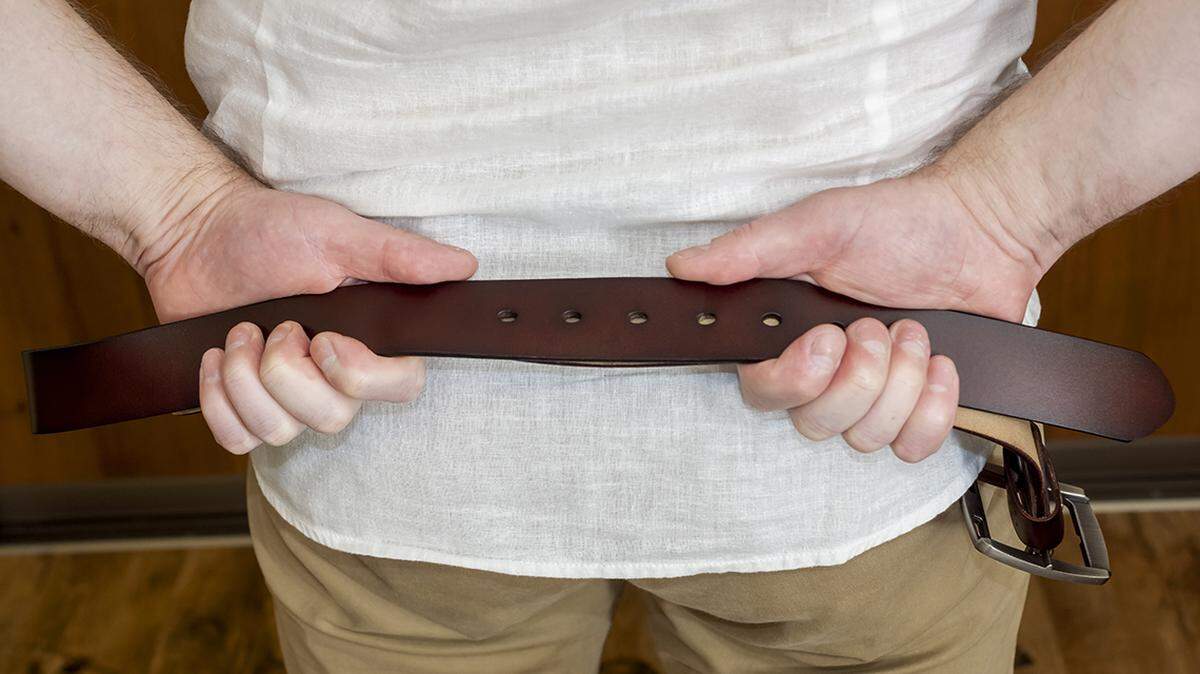
Missouri schools allow corporal punishment by parents.
Yes, archaic, but I assure you that it does happen. In our state, at least 123 school districts allow it to be administered to students, if it is written in their school board policy. That means these schools let parents go onto school property and administer corporal punishment to their child by physically hitting them with objects.
One morning, I learned of a parent coming to the campus where I work with a leather belt to discipline two students. The parent whipped the students, turned around and went home. When the parent left the traumatized boys, they misbehaved again. The parent was again notified and returned, only to do it once more. I inquired of the principal: Did he know? He sat glibly hunched over in his chair and answered, “Yes! I saw her come in with the leather belt.”
I protested, saying a parent should not whip a child on campus. He replied that he had dealt with this issue last year, and had been advised by a superior that it was allowed as long as it was in private. I protested: “This is not private property. We are a public school.” Translated, he actually meant it was OK as long as we did not witness the abuse.
Staffers at the Missouri Department of Elementary and Secondary Education told me they had nothing to do with school discipline. I was given the number to the Children’s Division of the Missouri Department of Social Services. There, I was informed that the department does not set the parameters of where discipline could take place, but only how. I was advised to contact my school’s human resources department. It should be in the school board’s policy manual.
In the process of giving details of the follow-ups to HR, I asked whether it was in our policy manual. The representative did not know, but said she would find out and send me an answer. I received the below excerpt:
“For the purposes of this policy, corporal punishment is a form of physical punishment administered by an adult to the body of a child for the purpose of discipline or reformation, or to deter attitudes or behaviors deemed unacceptable. No person employed or volunteering on behalf of the School shall administer corporal punishment or cause corporal punishment to be administered upon a student attending (Local Education Agency) schools.”
Mandated reporters
This is the end of the story. In fact, this is where it really starts. If you notice, the policy addresses employees and volunteers of the school, not whether parents are or are not permitted to whip their child at school.
Missouri’s educators are mandated reporters, required by law to notify the Department of Social Services if we witness child abuse or neglect. The reality of this policy tells school staff and parents: Just find an empty or abandoned room and allow it.
Through numerous emails, here are the responses that I received:
“We would expect members of our school leadership team to intervene and attempt to stop any physical threats to our scholars. If you witnessed these events, can you please share what actions you took to try to prevent the physical discipline from occurring?
“Please note as school employee and administrator you are a mandatory reporter and so if you have reason to believe that a child was injured at school, you should report it following the procedures in the staff handbook.
“I spoke to legal yesterday, and if I recall correctly, we do not allow parents to administer corporal punishment on our campus.
“Did we speak to (the person who informed me the next day of the incident) to verify if this happened?”
I had addressed all of the above in my initial phone conversation with HR and follow-up emails. I was quite perplexed as to why I was again being inundated with these questions. I identified a problem that should have stayed a mole hill. I did everything I should have, but it seemed as if everything was imploding on me, rather than the simple solution I stated in an email:
“This is an issue that should be brought before the board so that we have one uniform, unilateral and transparent policy for all school personnel. So again, if someone comes in to administer corporal punishment on a child, today, are we to allow it? I have nothing more to say if the explicit answer is yes from those in the positions of power to make that determination. I need to make sure that we are not violating board policy, nor stepping on parental rights (which are not addressed).”
Since this topic was still not addressed, I asked to be placed on the agenda to speak to the school board at its next meeting of directors. The mole hill had morphed into a mountain, and the mountain had now become a country. I was going to have three minutes to speak to the board. No pressure here! But I will revisit the topic when I have an answer.
Patricia Allen is a former assistant principal of a charter school in Kansas City.
Do you agree with Missouri’s school corporal punishment policy? Answer our short survey below. If the questions aren’t displaying correctly, click here.