
Yes, Kansas City can reduce illegal dumping. Here’s how far we’ve come | Opinion
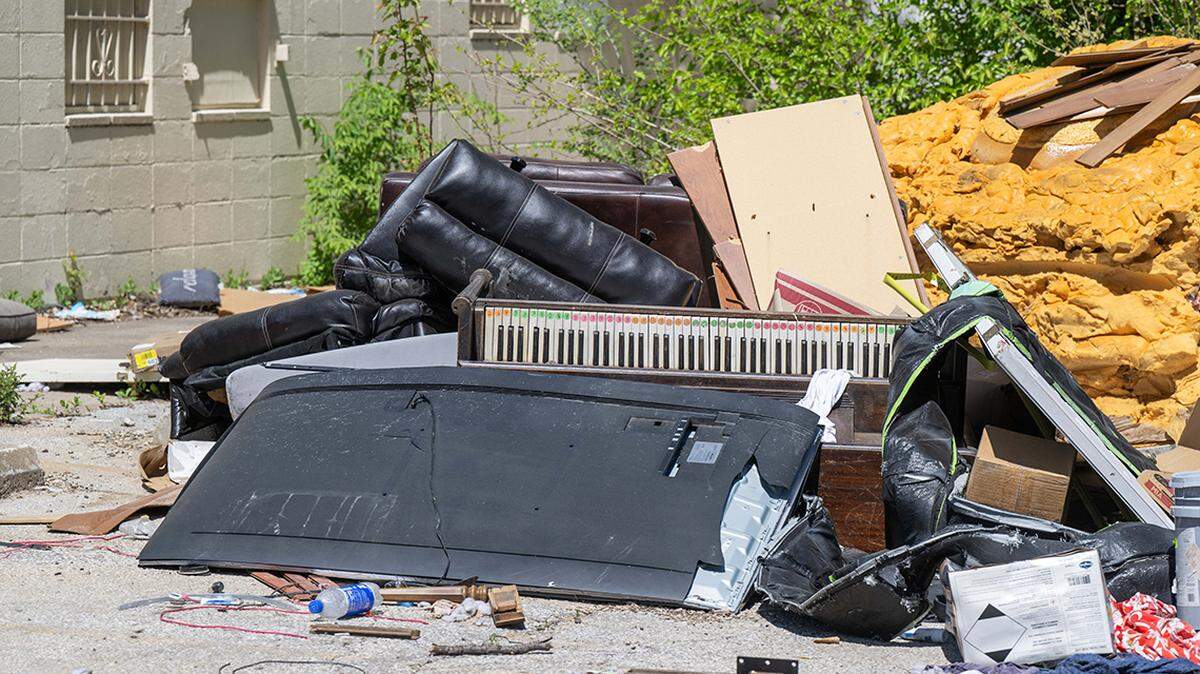
Last year, I drove through my old neighborhood on Kansas City’s East Side. It is a neighborhood where I spend a lot of time visiting family and eating some of the best Mexican food in town. I began this particular drive in the alley behind the home in which I grew up, and from there inspected vacant lots that are familiar locations for illegal dumping. Sometimes the piles are tires. Sometimes the piles are discarded appliances or furniture. Every pile sends a message to the families and children who live nearby that their community is not valued. I promptly reported the trash, and the next day the Public Works Department cleaned 8 tons of dumped trash.
Illegal dumping is often committed by individuals who do not live in the neighborhood. Some perpetrators do not live in Kansas City and come from the outside to dump in our community. Others advertise online that they can properly dispose of your bulky items, only to find a park or wooded area to discard the waste.
Neighborhoods across the city struggle with illegal dumping. From Ivanhoe to Indian Mound, Kansas City’s failure to prevent and clean illegal dumping is not just a matter of basic services, but also a matter of equitable services. Taxpayers in these neighborhoods have complained to the city year after year, only to see the piles return and grow.
Every year thousands of Kansas City residents complete a survey that asks questions about how the city is delivering basic services. The Resident Satisfaction Survey provides city leaders with the best feedback on how we are budgeting our resources and executing our basic responsibilities. Last year, only 12.3% of residents reported being satisfied with the city’s efforts to combat illegal dumping. The adoption of bins for trash and recycling was a great start that gave residents more room to properly dispose of extra bags. However, large-scale dumping continued.
Last year, I worked with my City Council colleagues to enact comprehensive plans to combat illegal dumping. Our efforts included expanding the bulky item pick-up program. We budgeted for additional equipment for the Public Works Department to proactively clean dumping sites. The Neighborhoods Sevices Department increased the number of illegal dumping investigators from one position to six. Council member Melissa Patterson Hazley and I coordinated with neighborhoods to install dozens of new cameras at known dumping sites to assist investigators. Municipal Court created a special illegal dumping docket to efficiently manage the influx of new cases. Council member Melissa Robinson passed an ordinance to reduce the amount of time for the city to respond to dumping complaints. Finally, we increased the penalties for illegal dumping on vacant lots, land bank properties and parks.
These efforts led to a 30% increase in cases investigated and resolved, and a 30% reduction in response times for cleaning dumping sites. The clean-ups resulted in the resolution of over 3,536 cases, compared to a previous four-year average of 2,590 cases.
This year, resident satisfaction with illegal dumping enforcement was up to 26.6, an increase of 9.2%. Satisfaction in the city’s efforts to clean illegal dumping increased by 8.5% to 21.4%. These gains reversed the overall trend of scores declining every year for the last five. While the overall level of satisfaction remains far too low, the first year of the program demonstrates that investing in staff, resources and equipment can move the needle on a stubborn problem.
As we enter another budget season, we will be juggling a budget shortfall and the need to support big events and flashy projects. However, we must not neglect our most basic duty, which is to deliver basic city services with equity and efficiency. No one else is coming to clean the trash, fix the potholes, repair our sidewalks, respond to emergencies or drive the buses.
I recently drove back around the dumping sites in my old neighborhood. Some remained clean, while others needed to be reported. The dumping is returning with less frequency and the cleanup is occurring with greater urgency. We will not solve these problems overnight. However, improving resident satisfaction means improving quality of life — and improving quality of life for all Kansas Citians is how we create the community we deserve.
Crispin Rea represents Kansas City’s 4th District-at-Large.