
Small-town Missouri is feeling the pain from Trump’s health care cuts | Opinion
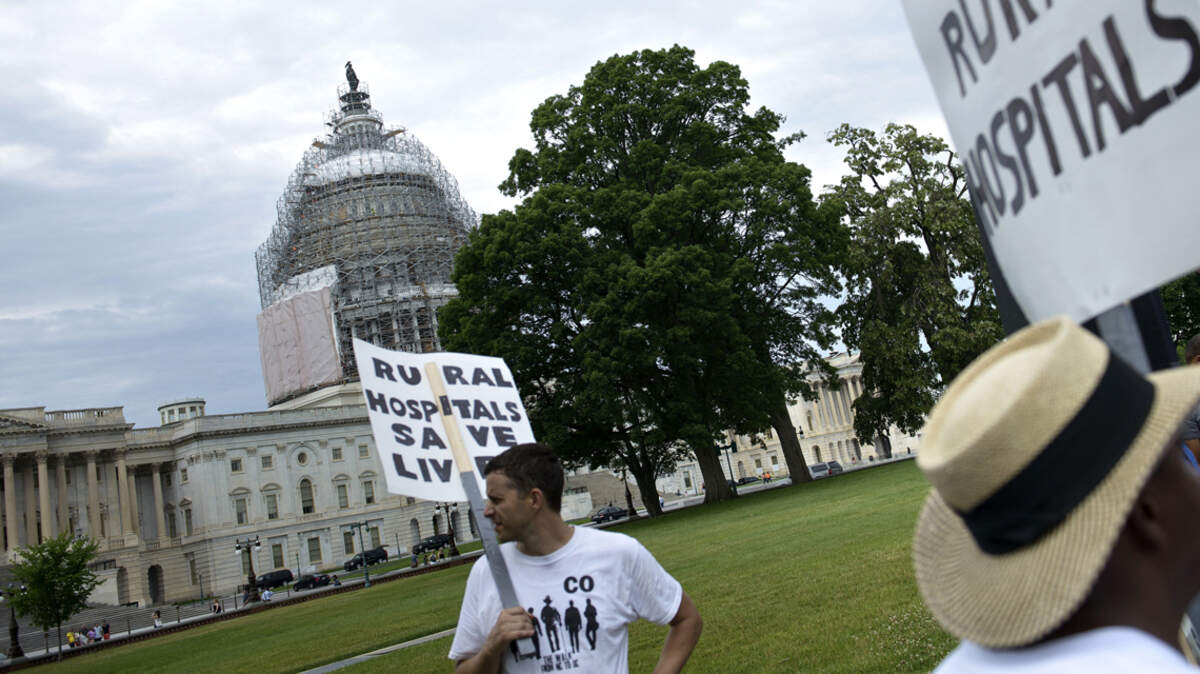
It’s nearly 2 a.m. in small town Hermann, Missouri, and emergency room nurse Laura has already treated dozens of people. She is working back-to-back shifts because several of her colleagues recently quit. The workload has been overwhelming, and there seems to be no end in sight. Cuts to her hospital, along with other rural hospitals across the state, have affected how they operate, and resources are dwindling as each day passes. She is not sure how much longer she, or the hospital for that matter, can survive.
The One Big Beautiful Bill Act, poetically signed into law on July 4, has done a number on rural communities. It has slashed critical Medicaid funding that rural areas depend on to stay above water — $1.4 billion for rural Missouri, to be exact. Medicare reimbursement rates have been drastically cut, which puts the health of our older population at risk. These people paid into a system their whole lives, and this is the thanks they get. Smaller hospitals in towns such as Osceola or Kennett may be forced to close.
The reality of what health care looks like in rural Missouri is bleak. The impacts will go beyond just headlines. There will be long drives to locate available care. Hospital staffs will experience layoffs and those workers who stay will be spread thin. Declining health will be in their future.
Let’s be honest: The One Big Beautiful Bill carries the same stench as the Ronald Reagan-era public health cuts. Why is it so easy to forget what American values truly represent? We share a responsibility to care for one another, to be fair and to keep our communities strong. Health care isn’t a privilege we earn — it’s a right we all deserve. Behind every number on that spreadsheet is a face, a family and a story. Having to choose between medical bills and groceries isn’t the American dream. It’s a nightmare that too many rural communities are already living.
It’s never too late to advocate for change. Let’s push the Rural Health Transformation Program to deliver on what it promised. This support is critical to filling the large gaps rural hospitals already face. It may not be perfect, but we have to work with what we’ve got. It’s time to cut through the red tape and remove unnecessary work requirements.
Rural life brings challenges city policymakers often overlook. Expanding telehealth vouchers would be a game changer, helping people overcome long distances and giving more opportunities to access care. These simple changes can go a long way.
As a social worker, I have seen firsthand how this “beautiful” bill has been hurting individuals and families who are simply trying to make it. I work with people who struggle with their mental health, so additional paperwork that might seem minor can have enormous effects on those already fighting to stay stable. Losing coverage could be devastating. The domino effect that follows is something I shudder to imagine.
The National Association of Social Workers’ Code of Ethics reminds me of the importance of standing up for the people we are called to protect. Standing back and watching is not an option.
President Donald Trump, come visit small-town Missouri. Look directly into the faces of the lives you’ve affected. Maybe if you were in touch with what’s actually happening, you’d change your mind. This isn’t about being Republican or Democrat, left or right. It’s about being human.
Raeann Hudspeth is a clinical case manager at a community behavioral health center in Lee’s Summit.